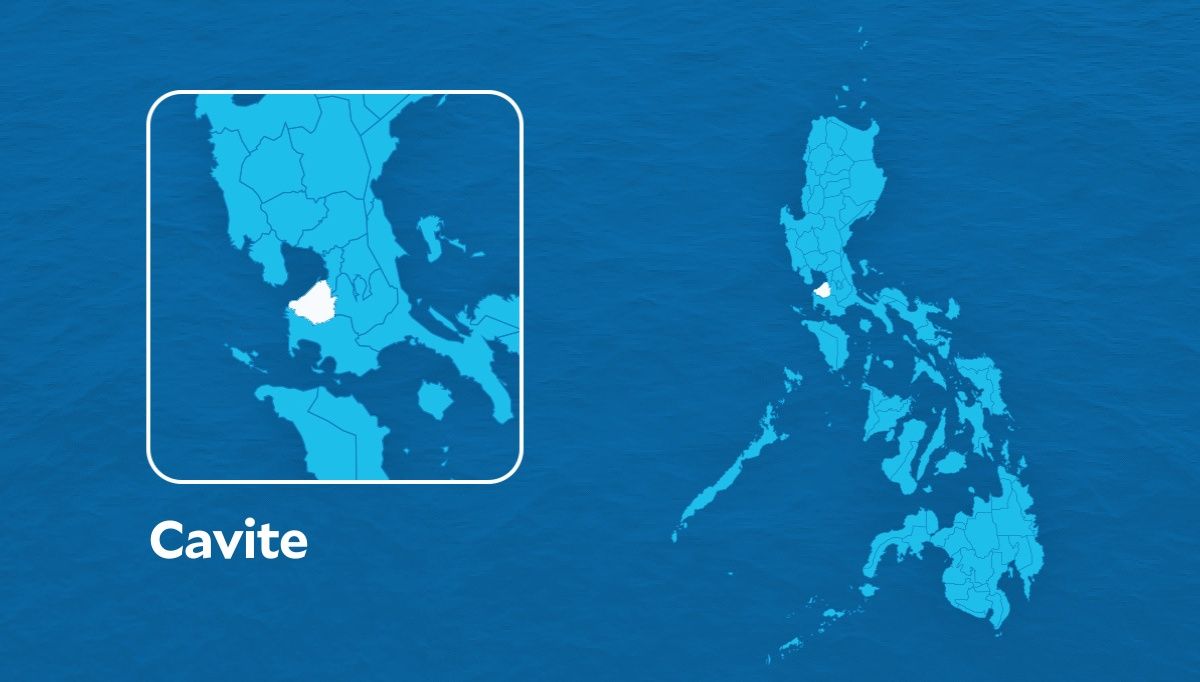
A potential school shooting was averted in General Mariano Alvarez, Cavite Province in the Philippines following the discovery of threatening online communications allegedly posted by a Grade 10 student. The Cavite Police Provincial Office confirmed the successful interdiction on Tuesday, June 30, crediting the rapid response of school administrators and law enforcement personnel for preventing what could have been a tragic incident. The case underscores the critical role that educational institutions and their staff must play in maintaining campus safety and protecting vulnerable populations from emerging security threats.
The alert came when a teacher at General Mariano Alvarez Technical High School (GMATHS) identified concerning messages in which the minor student allegedly outlined intentions to conduct a shooting within the school premises. According to reports from Manila-based media outlets, the planned incident was scheduled for July 2, leaving a narrow window for authorities to act. The teacher's prompt reporting to school administration initiated a chain of coordinated responses that ultimately prevented the materialisation of the threat, demonstrating how institutional vigilance can serve as a critical early-warning mechanism for potential violence.
Upon receiving notification from school officials, the Cavite Police Provincial Office moved swiftly to verify the credibility of the reported threat. Rather than dismissing the information as speculative or unsubstantiated, law enforcement agencies treated the matter with appropriate seriousness, conducting thorough investigations and coordinating closely with the student's family and local barangay officials. This multifaceted approach—combining school personnel, police investigators, family intervention, and community leaders—proved essential in locating and securing the weapon before any harm could occur.
Police personnel recovered an improvised, unregistered firearm following their coordinated efforts with school and community stakeholders. The recovery of an actual weapon substantially elevated the severity of the situation from mere threatening rhetoric to a tangible capability to cause mass harm. The seizure of the unregistered firearm also likely prevented the student from escalating their plans or sharing the weapon with other individuals who might have harboured similar violent intentions. The weapon's unregistered status highlights broader concerns about firearms accountability and control mechanisms within the Philippines.
The young suspect, whose identity has been appropriately withheld in accordance with Philippines law protecting minors, was transferred to the Municipal Social Welfare and Development Office (MSWDO) for psychological evaluation and intervention. This institutional response reflects the country's commitment to the Juvenile Justice and Welfare Act, which mandates that juvenile offenders receive rehabilitative rather than purely punitive treatment. The MSWDO's involvement suggests recognition that the student may require mental health assessment, counselling, and therapeutic support to address the underlying motivations for planning such violence.
The Cavite Police Provincial Office indicated that the investigation remains ongoing as authorities prepare formal charges against the minor in accordance with existing Philippine criminal statutes. While specific charges have not yet been publicly detailed, potential legal frameworks could include violations of the Comprehensive Firearms and Ammunition Regulation Act, filing a false report if applicable, and possibly laws addressing threatening communications or terroristic threats. The complexity of determining appropriate charges for a juvenile offender requires careful consideration of existing legislation and precedent.
This incident carries significant implications for school safety protocols across the Philippines and Southeast Asia more broadly. Educational institutions increasingly face the challenge of distinguishing between idle teenage threats made in anger or jest and genuine premeditated plans to commit violence. The GMATHS case demonstrates that schools must cultivate a culture where teachers feel empowered—and obligated—to report concerning student behaviour without dismissing it as typical adolescent acting out. Training programmes that enhance teachers' ability to identify warning signs, combined with clear reporting mechanisms and rapid police response protocols, appear essential for preventing future incidents.
The Cavite Police Provincial Office released a statement emphasising the importance of community-level vigilance and cooperation between schools, families, law enforcement, and local government units in combating potential violence. Police leadership commended GMATHS administrators for their swift, professional handling of the threat report and called upon the general public to maintain awareness of suspicious activity. Simultaneously, authorities cautioned citizens against spreading unverified information or disclosing the identities of juvenile suspects, as such actions violate confidentiality laws protecting minors and can compromise ongoing investigations.
The successful interdiction also highlights the dangers posed by online platforms where adolescents may document their thoughts, grievances, and plans with minimal filtering or social constraint. Social media environments frequently lack adequate safeguards to identify threatening content before it reaches critical mass. The teacher's discovery of the student's messages suggests that institutional monitoring of student online activities—conducted within appropriate legal and ethical boundaries—can serve as an effective preventive measure. This balance between respecting student privacy and ensuring campus safety represents an ongoing challenge for Philippine educational institutions.
For Malaysia and other Southeast Asian countries, the Cavite incident provides a cautionary reminder about emerging security threats within school environments and the necessity of maintaining robust institutional responses. While school shootings remain relatively uncommon across Southeast Asia compared to other global regions, the proliferation of firearms and online communication platforms means that such threats cannot be dismissed as impossible or improbable. Educational systems throughout the region would benefit from developing comprehensive safety frameworks that combine physical security measures, staff training, mental health resources, and clear reporting protocols.
The case also underscores the importance of addressing youth mental health and addressing root causes of violent ideation among adolescents. Whether motivated by bullying, social isolation, personal trauma, or exposure to violent content, students contemplating mass violence typically exhibit warning signs that can be detected through careful observation and responsive intervention. Schools that prioritise counselling services, peer support programmes, and teacher training in recognising psychological distress create environments where at-risk students receive help before escalating to violent planning.
The Cavite Police Provincial Office concluded its statement by reaffirming its commitment to student and community safety through proactive policing strategies, rapid response capabilities, and consistent enforcement of existing laws. This declaration reflects broader regional concerns about maintaining secure educational spaces where students can learn without fear of violence. As Philippine society continues developing comprehensive approaches to school safety, the successful outcome of the GMATHS case offers a template for other institutions: maintain staff vigilance, establish clear reporting channels, coordinate rapidly with law enforcement, and treat all threats with appropriate seriousness while respecting the legal rights of juvenile suspects.

