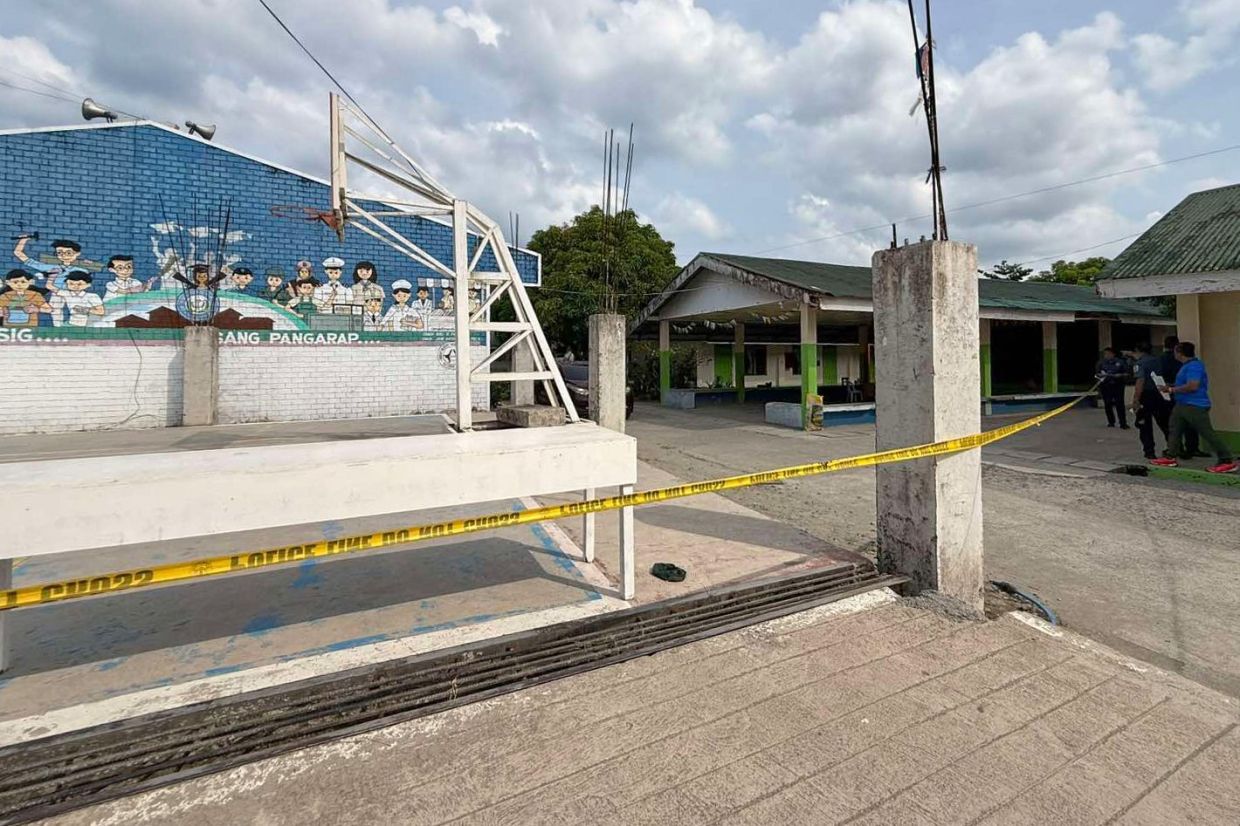
A teenage girl from Tolosa National High School in the Philippines was taken into custody this week after making threatening remarks on social media that alarmed authorities and community members alike. The 14-year-old Grade 10 student posted messages late Wednesday night claiming she would disrupt her school and harm classmates, prompting rapid police intervention. Interior Secretary Jonvic Remulla disclosed the incident at a press briefing on Thursday, noting that the threat emerged just days after a devastating shooting at San Jose National High School in Tacloban City that left three dead and dozens wounded.
The arrest followed a tip-off from Senator Bam Aquino, who flagged the student's social media post to authorities. Upon investigation, Philippine National Police Criminal Investigation and Detection Group operatives determined that the female student had authored the threatening message. The original post, which circulated across social platforms, contained explicit language warning her schoolmates to prepare for violence: the author claimed she would "disrupt the school" and that her identity would become apparent through her actions rather than her name. The message included threats that people "won't know me, but you will recognise me," adding that there was "no time nor day" for the anticipated disruption and warning that anyone could "get shot or stabbed."
Investigators discovered that the minor had employed a deliberate strategy to amplify her message, creating multiple Facebook accounts to spread the threat more widely. This use of multiple accounts suggests a calculated attempt to ensure her warning reached as many students as possible rather than a spontaneous outburst. Police analysts confirmed her identity through social media forensics and corroborating information provided by other individuals who had seen or reported her posts. However, the accounts and their contents were rapidly deleted once authorities made contact with the student, complicating the investigation and raising questions about the extent of the threat's exposure before removal.
The minor's cooperation with investigators proved limited. She displayed hesitation and reluctance to engage fully with police, apparently fearing serious legal consequences. Her parents presented an additional obstacle to the inquiry, refusing to furnish authorities with information about the circumstances surrounding the posts when approached by the Tolosa Municipal Police Station. This family resistance suggests potential dysfunction or discord within the household that may have contributed to the student's behaviour. The combination of parental non-cooperation and the student's fear created significant barriers to understanding the full scope and motivation behind the threatening messages.
Under Philippine law, however, authorities faced a critical legal constraint. The minor could not be prosecuted under the Juvenile Justice and Welfare Act (Republic Act No. 9344), which governs offences by persons under 18 years old. Consequently, the Philippine National Police transferred custody of the student to the Department of Social Welfare and Development, which subsequently released her without formal charges. This outcome frustrated potential accountability while highlighting the peculiar challenges authorities face when addressing youth-generated threats within the country's juvenile justice framework.
Remulla identified personal and family disturbances as likely drivers of the threatening posts. Following engagement with the family, authorities concluded that the threat had been "neutralised and inactive," indicating that the immediate danger had subsided. Police found no evidence of an organised plot or involvement of other individuals in creating or spreading the threats. Crucially, neither the student nor members of her family possessed access to firearms, significantly reducing the material capability to execute any violence she had threatened. These findings suggested that the danger, while serious enough to warrant police response, represented an isolated incident rather than part of a broader conspiracy.
A critical detail emerged regarding the student's alleged influence: authorities identified her as an "avid fan" of GoreBox, a violent video game that simulates graphic brutality and gore. The connection between this game and school violence threats extended beyond this single case. The two students responsible for the Tacloban City shooting that prompted this investigation—aged 14 and 15—were also identified as devoted players of the same game. Following the Monday school shooting, the Cybercrime Investigation and Coordinating Centre implemented a temporary ban on GoreBox, signalling official concern about the title's potential role in inciting real-world violence among vulnerable youth.
The timing of the Tolosa threat is significant. The San Jose National High School shooting occurred just days earlier, leaving three students dead and at least 20 others injured. The perpetrators, both teenagers, had opened fire on their classmates in an act that shocked the Philippines and prompted immediate soul-searching about youth violence and its causes. The Tolosa student's threat emerged in this heightened climate of fear and trauma, raising the question of whether media coverage and widespread awareness of the shooting inspired copycat threats or actual plans. Remulla himself suggested that the minor "was influenced by a recent shooting in San Jose National High School," acknowledging this contagion effect.
The convergence of these cases—a deadly school shooting, a follow-up threat, shared enthusiasm for violent gaming, and legal constraints on prosecuting minors—exposes a troubling pattern in Philippine society and raises difficult questions for policymakers. Unlike older offenders, juvenile suspects cannot be imprisoned or formally charged under existing law, limiting the deterrent effect of prosecution. The video game connection, while potentially significant, remains contested in academic research, yet authorities clearly regard it as worthy of regulatory action. The challenge facing the Philippines mirrors dilemmas faced by other nations: how to balance legitimate concerns about youth violence with respect for free expression, parental rights, and the rehabilitative principles underlying juvenile justice systems.
Looking forward, the incident highlights vulnerabilities in the Philippine education system's security posture and mental health support infrastructure. A 14-year-old student sufficiently troubled to publicly threaten classmates likely exhibited warning signs in her school behaviour, family relations, or online activity that merit earlier intervention. The gaps between what authorities can legally do with apprehended minors and what communities need to feel safe represent an ongoing tension. As Southeast Asian nations grapple with rising adolescent mental health challenges and access to violent content, the Philippines' experience offers cautionary lessons about the complexity of addressing youth-generated threats within frameworks designed for an earlier era.

