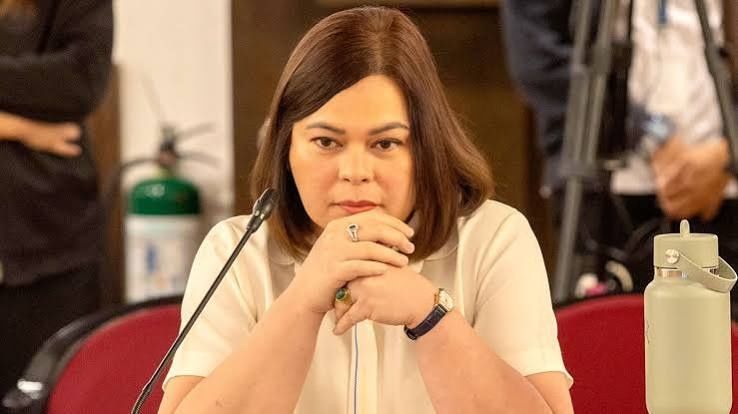
The Philippines is bracing for a pivotal constitutional moment as Vice President Sara Duterte faces impeachment proceedings set to commence on Monday, with the Philippine National Police announcing a substantial security deployment to maintain order during the high-stakes trial. Authorities plan to station approximately 6,000 police personnel across the Senate complex and neighbouring zones throughout Manila to ensure the proceedings unfold without disruption or violence.
The impeachment trial represents one of the most significant political developments in the country's recent history, placing the nation's second-highest constitutional office under formal scrutiny. The Senate impeachment court, acting as judge and jury in this matter, has formally summoned Duterte to present herself before the tribunal, offering her the choice of appearing in person or being represented by legal counsel. This procedural requirement underscores the gravity of the proceedings and the court's commitment to ensuring the accused receives full opportunity to mount a defence.
Logistical preparations in Pasay City, where the Senate building stands amid the urban sprawl of Metro Manila, reflect the anticipated scale and intensity of the trial. Local authorities have announced that certain roads surrounding the legislative complex will remain closed from Monday onwards, a measure designed to facilitate police movement, manage crowds, and prevent potential security breaches. Such traffic disruptions, while inconvenient for commuters and businesses in the area, illustrate how deeply this political crisis penetrates everyday life across the capital region.
The security contingent represents a substantial mobilisation of law enforcement resources, signalling the state's determination to prevent any descent into disorder during what promises to be an emotionally charged public spectacle. The Philippine National Police emphasised their commitment to alertness and vigilance throughout the trial duration, acknowledging both the symbolic weight of impeaching a sitting vice president and the volatile climate surrounding figures from the Duterte political dynasty. This careful attention to security dynamics reflects lessons learned from previous high-profile political confrontations in Philippine history.
Meanwhile, the Office of the Vice President released news on Thursday regarding its financial audit by the Commission on Audit covering calendar year 2025. The audit report certified that the OVP's financial statements received an unmodified opinion, meaning they were presented fairly in accordance with applicable financial reporting standards. Though officially separate from the impeachment proceedings, this clean audit opinion may provide some defensive ammunition for Duterte's legal team, demonstrating institutional compliance with transparency and accountability requirements during a period when her administration faces intense political scrutiny.
The timing of Duterte's impeachment trial intersects with her explicit entry into the 2028 presidential race, an announcement she made in February of this year. This political calendar overlap raises questions about whether the trial constitutes a routine constitutional process or functions as a weapon in internecine political warfare. The conviction threshold—requiring more than two-thirds of senators to vote in favour—remains extraordinarily high, reflecting constitutional framers' intention to reserve impeachment for the most grave circumstances. If convicted, Duterte would not only forfeit her current office but face permanent disqualification from holding any public position, a career-ending consequence that explains the intensity of preparation on both sides.
Duterte's lineage adds another dimension to this political drama. As daughter of former President Rodrigo Duterte, who held office from 2016 to 2022, she represents the continuation of a powerful political family that has dominated Philippine politics for decades. The Duterte name carries both passionate supporters and fierce detractors, making her trial far more than a routine constitutional matter. The upcoming proceedings will inevitably attract international attention given her family's prominence and the Philippines' status as a major Southeast Asian democracy.
The broader implications for the Philippines extend beyond the immediate trial outcome. A successful impeachment would demonstrate that even high-ranking officials from politically influential families face accountability under law, potentially strengthening institutional resilience. Conversely, acquittal would signal the continued potency of political dynasties in Philippine public life. For regional observers across Southeast Asia, the trial offers a case study in how democratic institutions handle intra-elite conflicts and whether formal mechanisms can restrain executive power when political families dominate both major coalitions.
The security measures and procedural formality surrounding Monday's commencement reflect the Philippine Senate's apparent commitment to conducting these proceedings with the solemnity befitting constitutional impeachment. Both supporters and critics of Duterte will be watching closely, as will international observers monitoring the health of Philippine democracy. The six-week months ahead promise to test not merely the legal case against the vice president but the institutional capacity of the Senate to render a judgment that significant segments of Philippine society will accept as legitimate.

