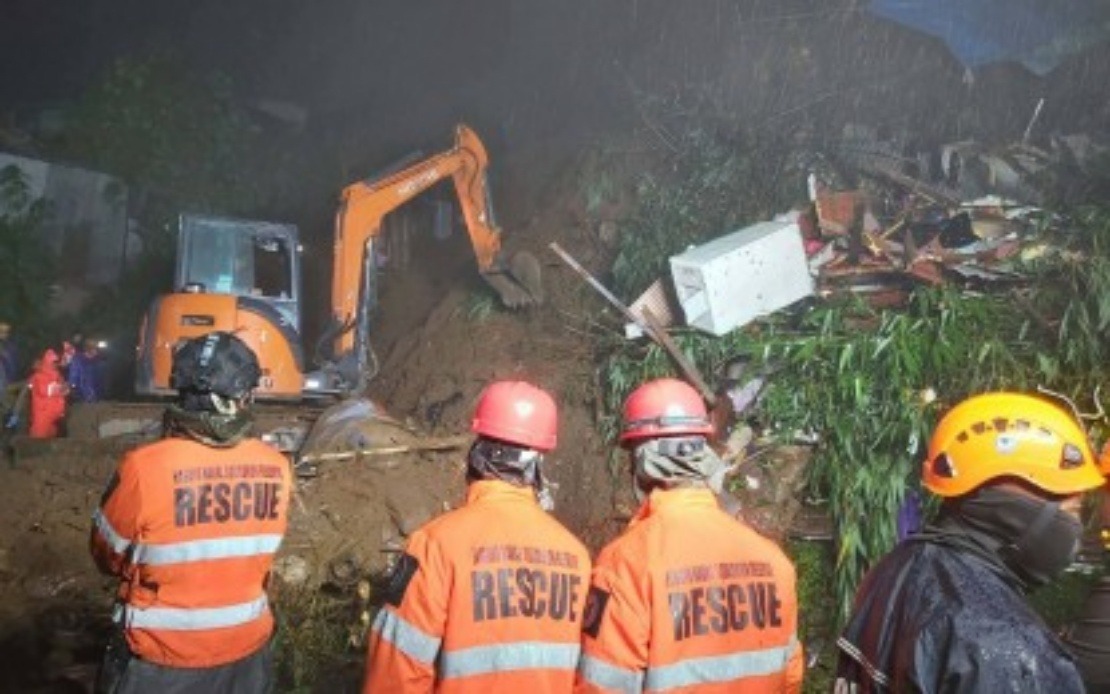
The Philippines is confronting a mounting disaster as tropical weather systems sweep through the archipelago, leaving a trail of death, displacement and economic damage. The Office of Civil Defence has confirmed 19 fatalities resulting from Tropical Depressions Luis and Maymay combined with the southwest monsoon, according to statements issued by public information officer Diego Mariano on Tuesday. The death toll reflects the ferocity of consecutive weather disturbances that have overwhelmed emergency response capacity across the island nation, with authorities still verifying final casualty figures from remote and affected areas.
The geographic spread of casualties underscores how the weather systems have struck indiscriminately across the Philippine archipelago. Benguet province has borne the heaviest human toll, accounting for 12 confirmed deaths alongside 12 injured persons and three missing individuals. The highland region's vulnerability stems from its mountainous terrain, which makes communities susceptible to landslides and flash flooding during heavy precipitation. Rizal province in the eastern suburbs of Metro Manila reported four deaths and one injury, while Batangas in the southern Tagalog region recorded three fatalities and one missing person. This distribution indicates that the tropical depressions have affected both highland and lowland communities, suggesting the systems possessed considerable spatial extent and intensity.
The human displacement from these weather events has reached unprecedented scale, with approximately 2.2 million individuals across ten regions now facing severe hardship. The affected population spans from the Ilocos Region in the northwest, through Cagayan Valley and Central Luzon, down to the Bicol Region, Western Visayas, and the Zamboanga Peninsula, alongside the Calabarzon industrial zone south of Manila, the Cordillera highlands, the National Capital Region itself, and Mimaropa. This concentration of affected areas suggests the southwest monsoon has intensified beyond normal seasonal patterns, pushing moisture and rainfall far beyond typical summer patterns and affecting regions not usually exposed to such severe weather during this period.
Emergency shelter capacity has been strained to its limits as authorities attempt to house the displaced population. A total of 919 evacuation centres have been activated across affected provinces, providing temporary shelter to approximately 95,000 individuals organised into 26,174 families. The scale of evacuation operations represents a significant drain on local government resources, with provincial and municipal authorities tasked with providing not only shelter but also food, water, sanitation and medical services to populations already traumatised by the natural disaster. The prolonged displacement raises concerns about disease outbreak, psychological trauma among children, and the economic consequences of lost work and livelihood opportunities.
Physical destruction to residential properties demonstrates the raw power of the weather systems. Official tallies indicate that 639 houses sustained varying degrees of damage, whilst 45 dwellings were completely destroyed. These figures, whilst substantial, likely underestimate total damage in remote areas where verification teams have not yet reached. Home destruction carries profound consequences for Filipino families, many of whom lack comprehensive insurance and possess limited savings to rebuild. The destroyed housing stock will require reconstruction efforts that typically extend over months, leaving families living in emergency shelters or makeshift accommodation for extended periods.
The economic impact extends well beyond residential property damage into critical economic sectors. Infrastructure damage has been calculated at approximately PHP1.46 million, affecting roads, bridges, water systems, and electricity networks that communities depend upon for daily functioning. The agricultural sector has suffered even more severely, with losses estimated at PHP135.33 million. Given that many provincial economies depend substantially on crop production and livestock, this agricultural damage threatens food security and rural incomes throughout the affected regions. Farmers who lost standing crops, irrigation infrastructure, and farm equipment face financial ruin without government assistance programs.
The consecutive nature of Tropical Depressions Luis and Maymay represents a particular challenge for disaster response coordination. Rather than facing a single weather event followed by recovery time, the Philippines has endured multiple systems in succession, each renewing flooding and wind damage before communities could begin repairs. The southwest monsoon that accompanied these depressions has extended rainfall patterns far beyond the depressions' individual lifespans, creating a compound weather hazard. This succession of impacts has overwhelmed early warning systems and stretched emergency management agencies beyond their normal operational capacity, leaving communities with minimal recovery periods between successive weather impacts.
For Malaysia and other Southeast Asian nations, the Philippine situation underscores the region's heightened vulnerability to tropical weather systems during monsoon seasons. Climate patterns affecting the Philippines directly influence weather across maritime Southeast Asia, and severe systems that strike the archipelago often presage significant weather developments across the broader region. The Philippines' experience with back-to-back tropical depressions serves as a cautionary reminder that seasonal weather forecasts must incorporate the possibility of multiple significant systems rather than assuming isolated events. Malaysian authorities responsible for disaster preparedness can examine the Philippine response to identify potential gaps in their own emergency management frameworks.
The international humanitarian dimension of the Philippines crisis has begun to attract regional attention. Neighbouring countries including Malaysia maintain disaster response cooperation agreements with the Philippines through ASEAN mechanisms, and the scale of this emergency may necessitate coordinated cross-border assistance. Medical personnel, relief supplies, and temporary shelter materials from Malaysia and other regional partners could substantially accelerate recovery efforts in the most severely affected provinces. The disaster illustrates how natural hazards respect no borders and how regional cooperation mechanisms become critically important during major humanitarian emergencies.
Recovery from this multifaceted disaster will require sustained commitment from the Philippine government and international partners. Beyond immediate emergency response, affected communities will require comprehensive rehabilitation assistance covering housing reconstruction, agricultural restoration, infrastructure repair, and livelihood support. The scale of displacement—affecting more than two million people—means that recovery timelines will extend across multiple years rather than months. Authorities must prioritize restoring essential services including water, electricity and transportation networks whilst simultaneously supporting agricultural and small business rehabilitation that underpins rural livelihoods.

