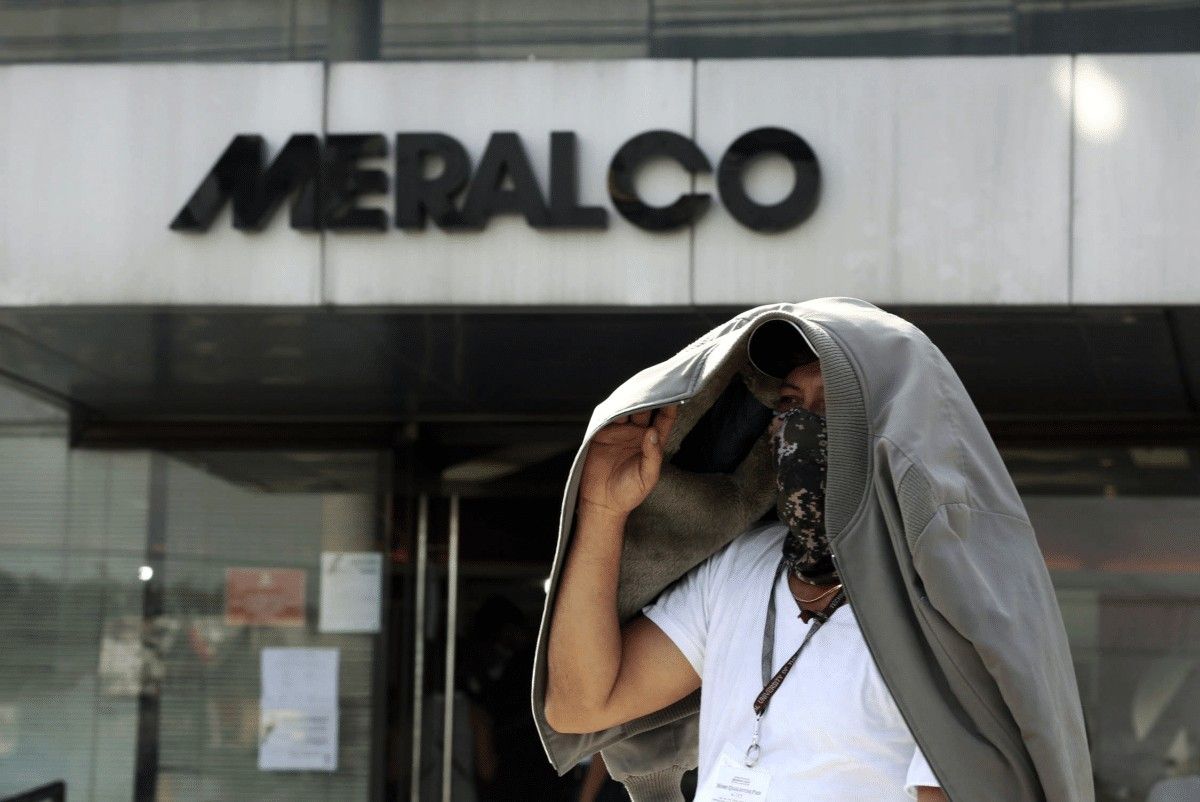
Households and businesses relying on Manila Electric Company for their power supply will receive a substantial financial reprieve as the Philippine Energy Regulatory Commission has directed the nation's largest electricity distributor to refund nearly ₱9.5 billion in overcharged rates. The decision, rendered on July 31, represents a significant regulatory intervention aimed at addressing accumulated consumer grievances over inflated electricity costs during a critical gap in the rate-setting process.
Meralco must distribute the refund equivalent to ₱0.3449 per kilowatt-hour (kWh) to its millions of customers within a six-month timeframe. Rather than issuing direct payments, the regulator has instructed the company to incorporate the refund as a distinct line item on monthly electricity bills, making the adjustment transparent and visible to consumers across their statements. According to ERC chair and chief executive officer Francis Saturnino Juan, the implementation process will commence during the next billing cycle once the company receives formal notice of the ruling.
The refund addresses what regulators term an "over-recovery" of charges—essentially excess revenue Meralco collected from January through December 2025 when the company operated under outdated tariff structures. This situation emerged during what the industry calls a "lapsed period," a regulatory gap that occurs between the expiration of one rate-setting cycle and the implementation of a new one. During such intervals, utilities continue charging customers according to older rate schedules even as their operational costs have evolved, creating an asymmetry between what consumers pay and what the company is actually entitled to charge under current regulatory frameworks.
The rate reset mechanism that governs Meralco's pricing operates on a cyclical basis, typically spanning five years unless extended by regulatory decision. Under this system, utilities must file detailed submissions with the ERC outlining anticipated capital expenditures, operational costs, and planned infrastructure projects throughout the period. Regulators scrutinise these filings to establish rates that fairly compensate utilities for legitimate expenses while protecting consumers from excessive charges. When a lapse occurs between the conclusion of one rate period and the implementation of the next, the previous tariff remains technically in force, potentially exposing either the utility or consumers to financial imbalance depending on how costs have shifted.
In Meralco's case, the ₱9.5 billion figure represents the total amount the company accumulated beyond what it should have earned during the 2025 lapse period. The ERC's decision notably incorporates interest costs into the refund calculation, reflecting the commission's view that consumers should receive compensation not merely for overcharges but for the opportunity cost of money improperly retained. This inclusion of interest demonstrates a more robust consumer-protection orientation than basic recalculation of rates alone would provide, acknowledging that funds collected prematurely carry financial value to those forced to subsidise utility operations.
For Malaysian readers and Southeast Asian observers, Meralco's situation illuminates broader challenges facing electricity regulation across the region. As power demand surges alongside economic growth and rising air-conditioning usage, utilities throughout Southeast Asia grapple with balancing capital-intensive infrastructure investments against affordability pressures. The regulatory gap that spawned this refund reflects how quickly operational costs can diverge from official rate schedules, a dynamic that threatens both utility solvency and consumer welfare if not carefully managed through robust regulatory frameworks and timely decision-making.
The refund amount, while substantial, nonetheless represents only a modest adjustment to individual consumer bills when divided across Meralco's customer base, estimated in the millions. Monthly electricity bills for typical households may see reductions of several hundred pesos, significant for lower-income families but unlikely to fundamentally alter broader perceptions of power affordability challenges in the Philippines. This reality underscores how even large nominal refunds often translate into incremental rather than transformative relief when distributed across massive service territories.
Meralco's next rate adjustment cycle will determine whether consumers face renewed pricing pressures or benefit from favourable regulatory findings regarding the company's legitimate costs. The company has been preparing its next rate reset application, and the regulator's approach to this refund case signals that the ERC intends to scrutinise cost claims carefully and protect consumers from unnecessarily inflated tariffs. How the commission balances Meralco's need for adequate returns on infrastructure investment against consumer capacity to pay will shape electricity affordability for years ahead.
The implementation timeline established by the ERC offers consumers relatively quick relief, with the six-month refund window commencing immediately upon the company's receipt of formal notice. This pace reflects regulatory awareness that prolonged delays in returning overcharged amounts extend the harm to consumers and risk eroding public confidence in the regulatory system itself. Philippine electricity consumers, who have experienced sustained complaints about high rates relative to regional peers, will scrutinise whether this refund translates into meaningful bill reductions and whether the regulator maintains equivalent vigilance in preventing future overcharges during subsequent lapse periods or rate cycles.

