The Philippines will bring together ASEAN foreign ministers and Myanmar's top diplomat for an informal consultation in Bangkok on Sunday, July 12, according to an announcement from the Department of Foreign Affairs on Friday. The gathering represents a significant diplomatic moment for the regional bloc, which has struggled to maintain coherent engagement with the Southeast Asian nation following the military takeover nearly three years ago. U Tin Maung Swe, Myanmar's foreign minister, will attend the meeting, which the DFA describes as the first in-person encounter between Myanmar's foreign ministry leadership and the collective ASEAN ministerial body since the coup that toppled Aung San Suu Kyi's civilian government in February 2021.
The timing of this consultation underscores the Philippines' efforts to navigate a delicate diplomatic situation while holding the ASEAN chair. Since the coup, Myanmar's place within the regional organization has been a persistent point of tension, with member states divided between maintaining institutional engagement and expressing concern over the military regime's actions and humanitarian record. By convening an informal rather than formal meeting, the Philippines appears to be seeking a format that allows frank discussion without the rigidity and public scrutiny that official proceedings would entail. This approach reflects a broader ASEAN strategy of attempting dialogue while avoiding the kind of confrontational postures that could further isolate Myanmar or splinter the bloc's own unity.
The DFA's statement emphasizes that Myanmar remains integral to ASEAN despite the political upheaval, a position that resonates with the bloc's founding principle of non-interference in member states' internal affairs. However, this principle has faced mounting pressure as Myanmar's humanitarian situation has deteriorated significantly since the coup. The foreign ministers will hear directly from U Tin Maung Swe regarding the current state of affairs within the country, an opportunity for the junta's representative to present its perspective on governance and stability measures. This briefing format suggests ASEAN is taking a listening posture, at least initially, though the agenda clearly extends beyond passive reception of information.
The substantive focus of the meeting will centre on specific areas where ASEAN hopes to see concrete progress. The Five-Point Consensus, adopted in April 2021 as ASEAN's roadmap for Myanmar engagement, forms the analytical framework for these discussions. The consensus calls for an immediate cessation of violence, constructive dialogue among Myanmar's conflicting parties, humanitarian assistance delivery, and ASEAN's mediation efforts. More than two years after its adoption, the consensus has achieved limited visible results, with violence continuing and political dialogue remaining elusive. The foreign ministers are expected to probe whether Myanmar's government is willing to move substantively on any of these fronts, though expectations appear modest given the junta's track record of resistance to external pressure.
For Malaysia and other ASEAN members with significant ethnic and religious ties to Myanmar's populations, this meeting carries particular weight. Malaysian policymakers have long been concerned about humanitarian conditions affecting Rohingya and other vulnerable groups, as well as the potential for regional instability to drive migration flows towards Southeast Asia. The consultation provides an opportunity for Malaysia and other nations to signal their expectations regarding humanitarian access and conflict de-escalation without necessarily triggering the kind of confrontational rhetoric that would harden Myanmar's position. The format chosen—informal and consultative rather than formal and declaratory—may create space for more candid exchanges on these sensitive matters.
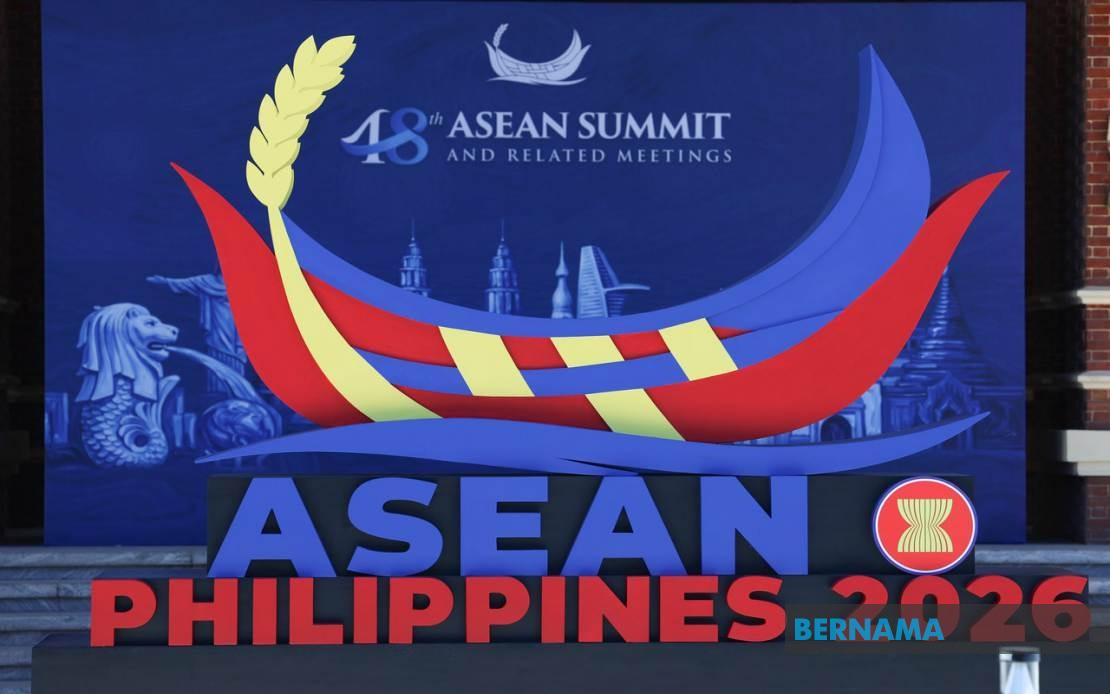
The meeting follows a directive issued at the 48th ASEAN Summit in Cebu, where leaders instructed foreign ministers to maintain constructive yet principled engagement with Myanmar. This language reflects an inherent tension within ASEAN's approach: how to remain committed to dialogue and non-interference while responding to widespread international criticism of Myanmar's military actions and governance failures. The Cebu directive essentially tasked the foreign ministers with threading this needle, maintaining channels of communication without appearing to condone or normalize the junta's conduct. The Bangkok consultation represents an early test of whether this balancing act can produce tangible results or merely sustain the appearance of engagement.
From a Southeast Asian strategic perspective, Myanmar's future remains crucial to regional stability and economic development. The ongoing political crisis has disrupted ASEAN's ambitious agenda for economic integration and infrastructure development, particularly through the Mekong subregion initiatives. Myanmar's instability also complicates China's Belt and Road ambitions and creates uncertainty for other powers with interests in the region. Therefore, ASEAN's efforts to maintain some form of constructive relationship with Myanmar, even under difficult circumstances, serve broader regional interests beyond Myanmar itself. The Philippines' initiative in hosting this consultation demonstrates an effort to keep diplomatic channels open even when the immediate prospects for breakthrough remain limited.
The logistics of organizing this meeting in Bangkok rather than Manila reflect the delicate diplomatic choreography surrounding Myanmar engagement. Thailand, as a geographic neighbour and fellow ASEAN member, provides neutral ground that avoids the symbolic weight that a Philippine capital location might carry. Additionally, Thailand has maintained relatively consistent diplomatic relations with Myanmar's government, giving it credibility as a facilitator. The location choice thus subtly reinforces the message that this is an ASEAN-wide initiative rather than a Philippines-driven effort, distributing responsibility and legitimacy across the membership.
While specific outcomes remain unclear, observers will closely monitor whether U Tin Maung Swe signals any willingness to advance on the Five-Point Consensus priorities. Previous interactions between ASEAN and Myanmar's junta have often produced carefully worded joint statements that obscure disagreement rather than resolve underlying disputes. The informal nature of this Bangkok meeting might allow for more honest assessment of the gaps between ASEAN expectations and Myanmar's intentions, though whether such clarity will translate into concrete diplomatic action remains uncertain. For Malaysia and other ASEAN capitals, the real test will come after July 12, when member states must decide whether to intensify pressure on Myanmar or accept minimal progress as the realistic limit of regional leverage.

