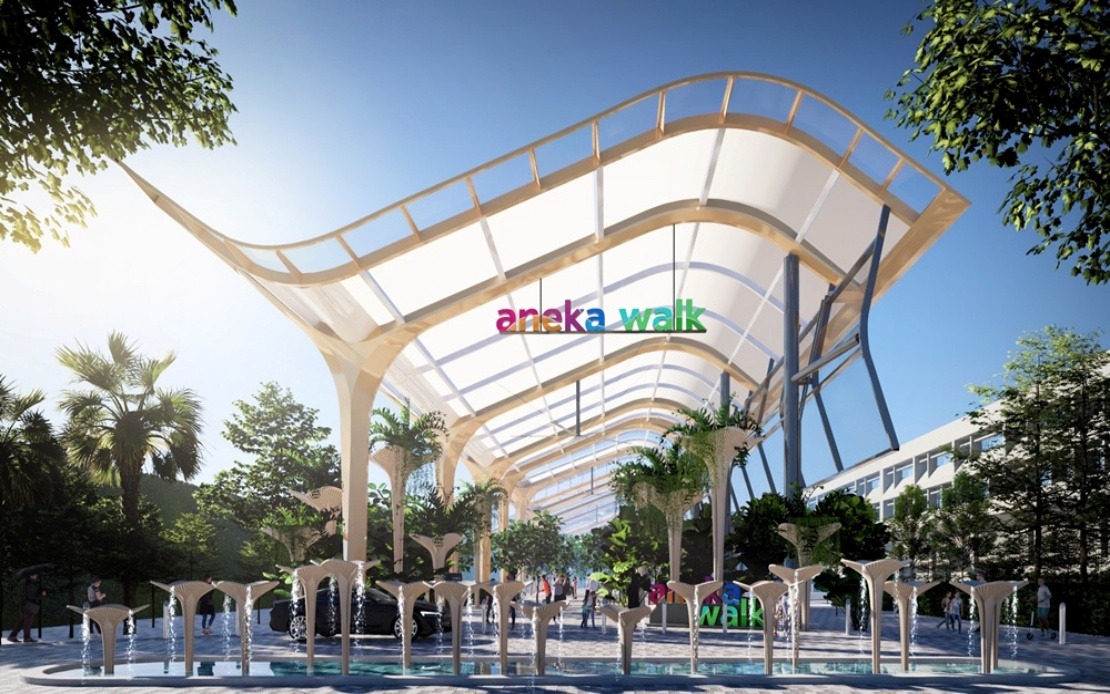
The Selangor State Development Corporation (PKNS) is preparing a flagship community event centred on the FIFA World Cup 2026 final, bringing the world's most watched football spectacle directly to Shah Alam residents through a extended screening programme at Aneka Walk in Seksyen 14. Running across July 19 and 20, the PKNS Homes Final World Cup 2026 Mega Live represents an ambitious attempt by the state development authority to transform a major shopping destination into a vibrant public gathering space during one of global sport's most anticipated moments.
The screening initiative spans a continuous 12-hour period from 5 pm on July 19 through 5 am on July 20, with the actual World Cup final match commencing at 3 am on the latter date. PKNS anticipates attracting approximately 1,000 visitors to the venue, establishing a substantial attendance target that reflects confidence in the event's appeal to families and football enthusiasts across the Selangor metropolitan region. The overnight timing, while unconventional for typical community events, aligns with the global broadcast schedule while creating an extended festival atmosphere that extends well beyond the match itself.
Partnership with Selangor FC adds legitimacy and local sporting significance to the initiative, positioning the event as more than simply a passive viewing experience. The collaboration signals an attempt to leverage professional football's standing within Malaysian culture to draw crowds and create a sense of communal participation in global sporting traditions. By integrating a locally recognized football institution, PKNS bridges the gap between international football spectacle and regional sports identity, making the World Cup final feel more accessible and relevant to Shah Alam's diverse population.
Beyond the central attraction of watching the match, PKNS has structured a comprehensive programme of complementary activities designed to maintain visitor engagement throughout the extended hours. Electronic sports competitions will cater to younger demographics interested in gaming, while interactive games and lucky draws provide entertainment across all age groups. The inclusion of meet-and-greet opportunities with Selangor FC players offers fans direct access to local football personalities, creating memorable experiences that extend beyond the broadcast itself and strengthen emotional connections to the event.
Food and beverage offerings form a crucial component of the visitor experience, with multiple food stalls positioned throughout Aneka Walk to serve the anticipated crowd. This commercial dimension simultaneously supports local food vendors and entrepreneurs while addressing practical visitor needs across the extended timeframe. The combination of dining and entertainment creates an environment more akin to a festival than a sporting broadcast venue, encouraging families to treat the experience as an outing rather than simply watching a match at an alternative location.
Corporate participation and brand activation represent significant secondary objectives for PKNS, with the event serving as a platform for companies to strengthen their market presence through direct consumer engagement. Exhibition booths and promotional activities provide corporate partners with opportunities to reach concentrated audiences of engaged consumers in a festive, receptive environment. This commercial dimension helps offset event costs while creating mutual value for participating businesses seeking authentic connection with potential customers beyond traditional advertising channels.
The initiative reflects broader strategic priorities for PKNS in revitalizing Aneka Walk as a dynamic community destination within the SA Sentral development project. Shopping malls across Southeast Asia increasingly face competition from e-commerce and changing consumer behaviour, necessitating transformation into multipurpose community venues rather than purely retail spaces. By hosting major cultural and sporting events, PKNS positions Aneka Walk as a gathering place with cultural significance beyond commercial transactions, potentially reshaping how Shah Alam residents perceive and utilize the location.
Economic stimulus represents another dimension of PKNS's motivation, as increased foot traffic during the event generates spillover benefits across the broader commercial precinct. Restaurants, other retailers, and service providers within Aneka Walk stand to benefit from heightened visitor volumes, creating a multiplier effect that extends beyond the specific screening venue. For a shopping destination, transforming into a popular community gathering point during major sporting occasions establishes new visitation patterns and familiarity that may translate into sustained increased patronage.
The World Cup 2026 screening also serves symbolic functions for PKNS's stewardship of public spaces and community development responsibilities. By facilitating access to global sporting events and creating inclusive entertainment experiences, the corporation demonstrates commitment to enhancing residents' quality of life beyond traditional property development and management functions. This expanded role positions PKNS as a facilitator of community experiences rather than purely a real estate entity, subtly reshaping institutional identity and public perception.
For Malaysian football fans more broadly, the event provides a practical alternative to gathering in homes or commercial establishments, creating a organized, family-friendly environment explicitly designed for collective viewing and celebration. The overnight timing, while initially seeming impractical, actually reduces conflicts with daytime obligations and allows work-day evening starts before the late-night match itself. PKNS has essentially constructed a dedicated World Cup destination that removes logistical barriers to attendance while enhancing the social dimension of watching football's premier international competition.
The initiative's success will likely influence future event programming across PKNS-managed properties and other regional development authorities, potentially establishing precedent for hosting major sporting broadcasts as anchor events for community spaces. If the July event generates anticipated attendance and positive community feedback, PKNS may expand the model to other fixtures or sporting occasions, progressively positioning its properties as preferred venues for shared entertainment experiences. This evolution reflects global trends in how real estate and development companies create value through experiences and community engagement rather than purely physical infrastructure.

