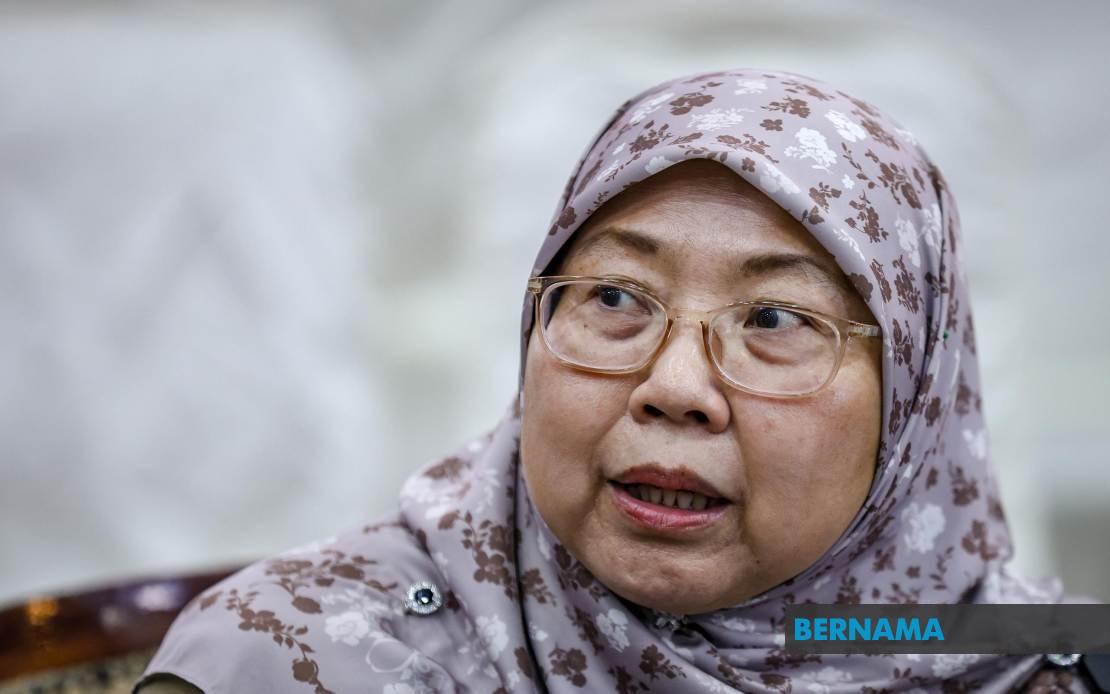
Parti Keadilan Rakyat has moved swiftly to distance itself from businessman Datuk Seri Nicky Liow Soon Hee, issuing an official statement confirming he holds no membership with the party. The clarification came after speculation online suggested a connection between Liow and PKR, prompting the political organisation to conduct a formal verification of its membership records. Party secretary-general Datuk Dr Fuziah Salleh announced the findings on July 26, stating that comprehensive checks through the KEADILAN Membership System revealed no affiliation whatsoever.
The controversy stemmed from a photograph circulating on social media depicting Liow dressed in apparel associated with Angkalan Muda Keadilan, the party's youth wing. Such images carry particular weight in Malaysia's political landscape, where visual associations with political organisations can quickly shape public perception and invite scrutiny. The viral nature of the photograph led many observers to assume an underlying party affiliation, prompting PKR to take the unusual step of formally verifying and publicly denying the connection.
Fuziah's statement included an additional clarification that extended beyond a simple denial of current membership. The PKR secretary-general emphasised that Liow had never formally submitted an application to join the party, suggesting there had been no attempt on his part to become affiliated with the organisation at any point. This distinction carries significance in Malaysian political contexts, where the formal membership process involves documented procedures and verification protocols. The absence of any application on record presents a more comprehensive refutation than merely stating he is not currently a member.
The timing of PKR's denial reflects heightened sensitivity around party affiliations in Malaysia's complex political environment. Political associations carry substantial implications for public figures and businesspeople, affecting business relationships, regulatory scrutiny, and public trust. For a prominent businessman, any perceived connection to a political party can trigger questions about potential conflicts of interest or preferential treatment. PKR's proactive response suggests an awareness of how such associations, even if unfounded, can create complications for both the party and the individual involved.
Nicky Liow's profile extends well beyond business circles into Malaysia's criminal justice system. He faces serious charges in the Shah Alam Sessions Court related to his alleged involvement with an organised crime syndicate known as the "Nicky Gang." Additionally, he confronts money laundering accusations that carry substantial legal consequences under Malaysian law. These criminal charges represent a significant shadow over his public standing and may explain why any perceived party affiliation becomes particularly newsworthy and sensitive.
The convergence of Liow's legal troubles and the sudden emergence of the viral photograph raises questions about the source and timing of the image's circulation. In Malaysia's highly politicised media environment, photographs and social media posts often carry strategic implications. Whether the image was shared with deliberate intent to create association or spread accidentally remains unclear, but the episode illustrates how quickly visual content can generate political narratives that parties must actively address.
For PKR specifically, the denial carries additional weight given the party's positioning within Malaysia's political coalition structures. As a component of the broader opposition and reform-oriented political space, PKR remains acutely conscious of its public image and the need to maintain transparency regarding membership and affiliations. Any suggestion of links to individuals facing serious criminal charges could damage the party's standing, particularly among voters who prioritise governance standards and ethical conduct in politics.
The incident underscores the porous boundaries between Malaysia's business, political, and legal spheres. High-profile businesspeople often navigate complex relationships with political actors and institutions, creating circumstances where misunderstandings or deliberate confusion about affiliations can rapidly escalate. The formal membership denial issued by PKR represents an attempt to establish clear boundaries and prevent ambiguity that might be exploited or misinterpreted in future discussions.
Moving forward, the clarification may provide temporary resolution to immediate speculation, but the underlying realities of Liow's criminal charges will likely continue to dominate discussions of his public activities and associations. Malaysian news consumers and political observers typically retain long memories of such cases, particularly when they involve allegations of organised crime and financial irregularities. Any future photograph or social media reference involving Liow will likely resurrect memories of these criminal proceedings.
The episode also illuminates the evolving role of social media in Malaysian politics and society. Photographs and viral content can generate substantial political ramifications within hours, forcing established institutions and political parties to respond to narratives they did not originate. For PKR, the need to formally verify and publicly deny an association underscores how digital platforms have compressed the timeframe for managing political narratives and misinformation, requiring rapid organisational responses to protect institutional reputation.

