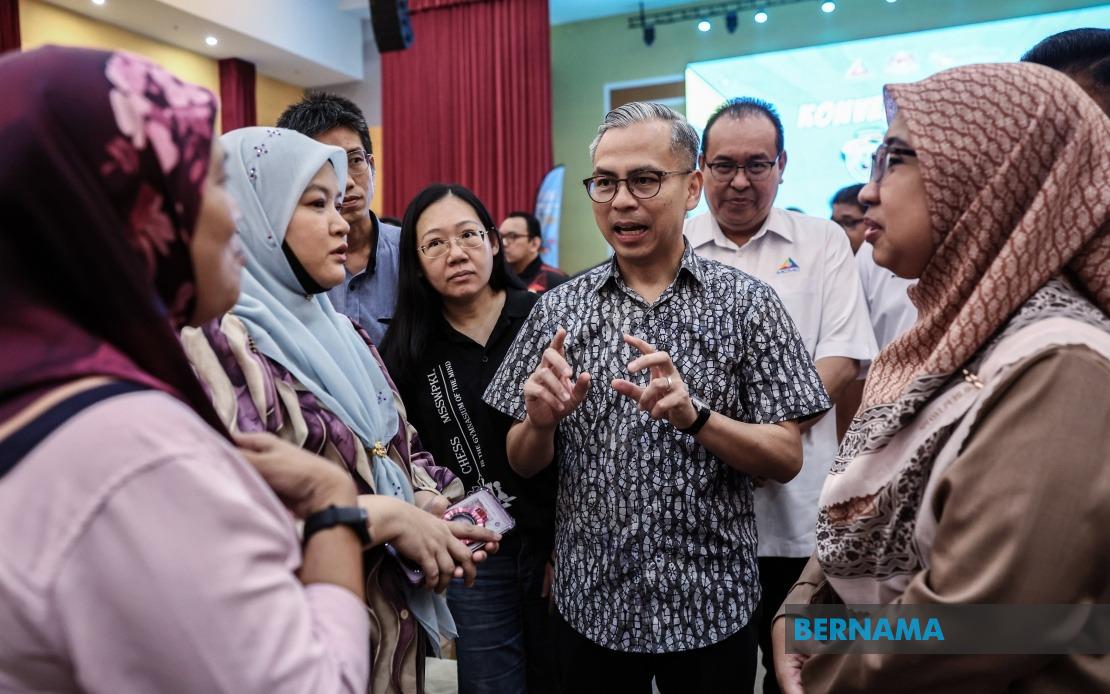
The People's Justice Party (PKR) has moved to quash concerns about organisational disruption following the approval of temporary leave for Nurul Izzah Anwar from her position as deputy president. Speaking at a press conference in Kuala Lumpur on August 8, PKR Information Chief Datuk Seri Fahmi Fadzil emphasised that the party's core functions would proceed without interruption, with established protocols ensuring continuity in leadership responsibilities.
According to Fahmi, the party's Central Leadership Council (MPP) made the deliberate choice to reject Anwar's formal resignation while instead granting her request for a period of leave. This decision reflects a nuanced approach to managing the situation, allowing the senior politician to step back temporarily without formally severing her ties to the organisation. The move permits her to concentrate on two priorities: handling significant personal matters and advancing her doctoral studies, both of which demand substantial time and attention.
To maintain operational momentum during this interim period, Vice-President Datuk Seri Saifuddin Nasution Ismail has been designated to assume the deputy president's functions on a temporary basis. This delegation ensures that decision-making processes and administrative responsibilities remain properly staffed, preventing any vacuum in the party hierarchy. Fahmi stressed that Nurul Izzah maintains her status as a full party member and will continue to participate in the broader party struggle when circumstances permit, preserving her long-term relationship with PKR.
The departure comes at a time when Malaysia's political landscape continues to face scrutiny over various transitions and leadership movements. Nurul Izzah, who has served in multiple senior roles within PKR and the government, brings considerable experience to her positions. Her decision to pursue doctoral studies represents a significant personal commitment, and the party's accommodation of this reflects broader discussions about work-life balance even among high-ranking political figures.
When pressed about separate speculation regarding Subang MP Wong Chen potentially vacating his parliamentary seat, Fahmi provided a cautious response, indicating that no formal information had been received on this matter at present. He noted that any such developments would require an official announcement through the Dewan Rakyat Speaker, Tan Sri Johari Abdul, and should not be treated as confirmed until that formal channel produces a statement. This careful handling demonstrates the party's intent to manage communications around senior member movements deliberately.
On the broader political calendar, Fahmi addressed growing speculation that the next general election might be called earlier than scheduled. He firmly stated that the government currently entertains no plans for an early poll, projecting instead that electoral proceedings would occur by the end of next year at the latest. This timeline aligns with constitutional frameworks and allows the administration adequate runway to implement policy priorities without the disruption of an election campaign.
The Communications Minister outlined the government's current strategic focus, emphasising that ensuring smooth administrative functioning remains the paramount concern. He praised the constituent parties of the Unity Government for their sustained commitment to supporting Prime Minister Datuk Seri Anwar Ibrahim's leadership throughout the remainder of the current term. This acknowledgment underscores the delicate coalitional dynamics that maintain Malaysia's current government structure, where multiple parties must cooperate despite their distinct political identities.
Fahmi highlighted the ongoing commitment within both Pakatan Harapan and the broader Unity Government coalition to pursue substantive reforms addressing the nation's pressing challenges. These efforts encompass a comprehensive agenda designed to enhance Malaysia's economic, social, and institutional performance. The emphasis on reform signals that despite day-to-day political management questions, the administration retains focus on transformative objectives that require sustained implementation.
Among the unfinished work requiring continued attention is the execution of recommendations stemming from the Royal Commission of Inquiry into Lembaga Tabung Haji, which examined the institution's operations across the 2014 to 2020 period. This substantial investigation unearthed systemic issues within the religious pilgrimage fund, and translating its findings into concrete institutional improvements remains a significant undertaking for the government. The ongoing nature of this work reflects the complexity of addressing historical governance challenges within established institutions.
Fahmi concluded his remarks with a hint that Prime Minister Anwar would soon unveil several announcements anticipated to benefit both the general population and national interests. While declining to provide specifics, this suggestion of imminent policy developments kept the conversation oriented toward forward momentum rather than internal party management. The messaging strategy effectively positioned the Nurul Izzah leave decision as a routine administrative matter rather than a symptom of broader organisational turbulence.
The handling of Nurul Izzah's situation reflects sophisticated political management by PKR's leadership. Rather than treating her departure as a resignation—which might invite speculation about internal conflict or dissatisfaction—the party framed it as a temporary accommodation of legitimate personal and educational pursuits. This approach preserves her standing within the party structure while allowing her the space needed for her doctoral research and personal affairs, creating a model of flexibility that could influence broader discussions about how political organisations accommodate the diverse life circumstances of their senior members.

