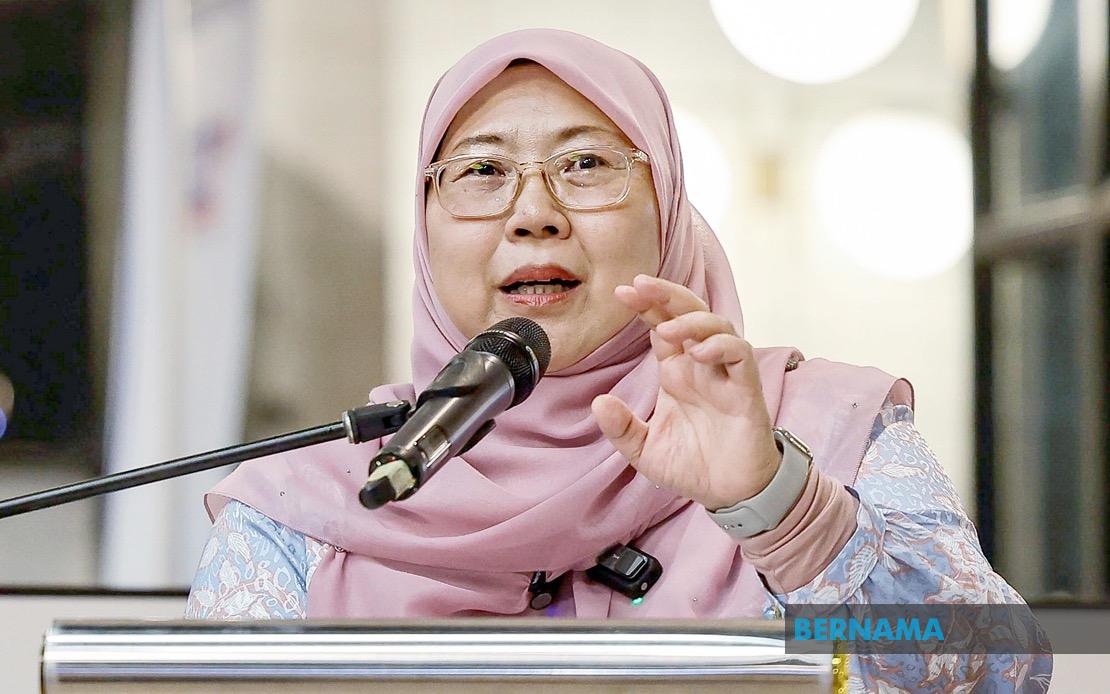
PKR and Pakatan Harapan have signalled their acceptance of divergent tactical approaches among coalition partners as campaigning intensifies for the 16th Negeri Sembilan State Election. In remarks made here, party leadership emphasised that while each coalition member retains autonomy in determining electoral strategy, all decisions must ultimately serve the interests and aspirations of Negeri Sembilan's residents.
This acknowledgement of intra-coalition flexibility reflects the practical realities of multi-party politics in Malaysia's federal structure. Coalition partners often pursue distinct ground-level approaches to appeal to different voter constituencies, even while maintaining broader policy alignment. The statement from PKR appears designed to manage expectations around potential strategic divergences without suggesting deeper rifts within the Pakatan Harapan alliance.
PKR secretary-general Datuk Dr Fuziah Salleh, who also serves as Deputy Domestic Trade and Cost of Living Minister, articulated the party's commitment to addressing bread-and-butter issues that resonate with ordinary Negeri Sembilan residents. The emphasis on welfare, economic opportunity, cost of living pressures, and equitable development reflects recognition that state elections are fundamentally decided by voter concerns about living standards and government delivery rather than high-level coalition mechanics.
The framing of political differences as inevitable expressions of "the art of the possible" provides philosophical cover for tactical flexibility while positioning such variations as professional rather than problematic. In competitive multiparty democracies, different parties within coalitions legitimately employ different campaign messages, candidate selection criteria, and resource allocation strategies. This Malaysian iteration suggests maturity in managing coalition partnership tensions that often plague opposition alliances.
Integrity and transparent governance featured prominently in Fuziah's articulation of PKR and Pakatan Harapan priorities for the contest. This emphasis carries particular weight given that Malaysian voters consistently rank corruption concerns highly in opinion surveys, and opposition parties have historically positioned themselves as champions of accountability. The messaging suggests the coalition intends to campaign on institutional reform and clean governance as core differentiators from Barisan Nasional rule.
The coordination challenge facing Pakatan Harapan in Negeri Sembilan parallels broader coalition dynamics at federal level. As a multi-ethnic, multi-ideological alliance spanning Islamist, secular, and ethnically-focused parties, PH must balance unified messaging on national priorities with respect for component parties' distinct party identities and electoral calculations. The acknowledgement that "differences in political strategies during a state election were common" essentially legitimises what voters will inevitably observe on the ground.
Negeri Sembilan's electoral context adds distinctive dimensions to this coalition management exercise. The 36-seat state assembly requires careful calibration of Pakatan Harapan's seat distribution strategy among component parties. Decisions about which parties contest which constituencies directly impact electoral mathematics and can either strengthen or strain coalition cohesion. Public statements emphasising respect for party autonomy may reflect underlying negotiations about seat allocation.
The Election Commission's timeline—setting July 28 for early polling and August 1 for general election day—provides a compressed campaign window that intensifies internal coalition coordination demands. With the state assembly dissolved on June 5, all parties face tight deadlines for candidate selection, campaign preparation, and voter engagement. This accelerated schedule may itself explain leadership emphasis on allowing parties operational flexibility to deploy resources efficiently.
For Pakatan Harapan, defending the Negeri Sembilan mandate against Barisan Nasional represents a symbolic priority within the broader 2023-2027 electoral cycle. The state has historically alternated between competing coalitions, making it genuinely competitive rather than reliably aligned with either national force. Controlling this state remains important for PH's narrative about governing competence and voter appeal.
The appeal to party machinery to maintain focus, discipline, and unified determination for winning voter confidence attempts to resolve the inherent tension between respecting strategic autonomy and achieving electoral victory. While coalition members pursue independent tactical approaches, success ultimately requires sufficient coordination and mutual support. This balancing act—celebrating diversity while demanding discipline—represents the constant negotiation required to sustain opposition coalitions in Malaysian politics.
Fuziah's emphasis on connecting state-level political decisions to national development agendas and people's welfare positioning signals that Pakatan Harapan seeks to nationalise the Negeri Sembilan contest rather than allowing it to become purely local competition. This strategy reflects PH's federal-level responsibilities and suggests messaging will link state governance delivery to broader coalition performance in implementing national priorities like infrastructure development and economic opportunity expansion.
The statement ultimately reflects sophisticated political management—acknowledging realities of coalition complexity while projecting confidence in unified purpose. For Malaysian voters, such declarations matter less than observable campaign conduct and actual policy delivery outcomes. The election results will indicate whether Pakatan Harapan's formula for balancing internal party autonomy with coalition coordination effectiveness resonates with Negeri Sembilan residents evaluating competing visions for state governance.

