PKR has confirmed that deputy president Nurul Izzah Anwar will take leave from her party obligations to focus on academic pursuits, though the party has refrained from establishing any specific deadline for her absence. The decision underscores a flexible approach by Malaysia's People's Justice Party toward accommodating the educational aspirations of its senior leadership, even as the party navigates a period of institutional development and strategic positioning.
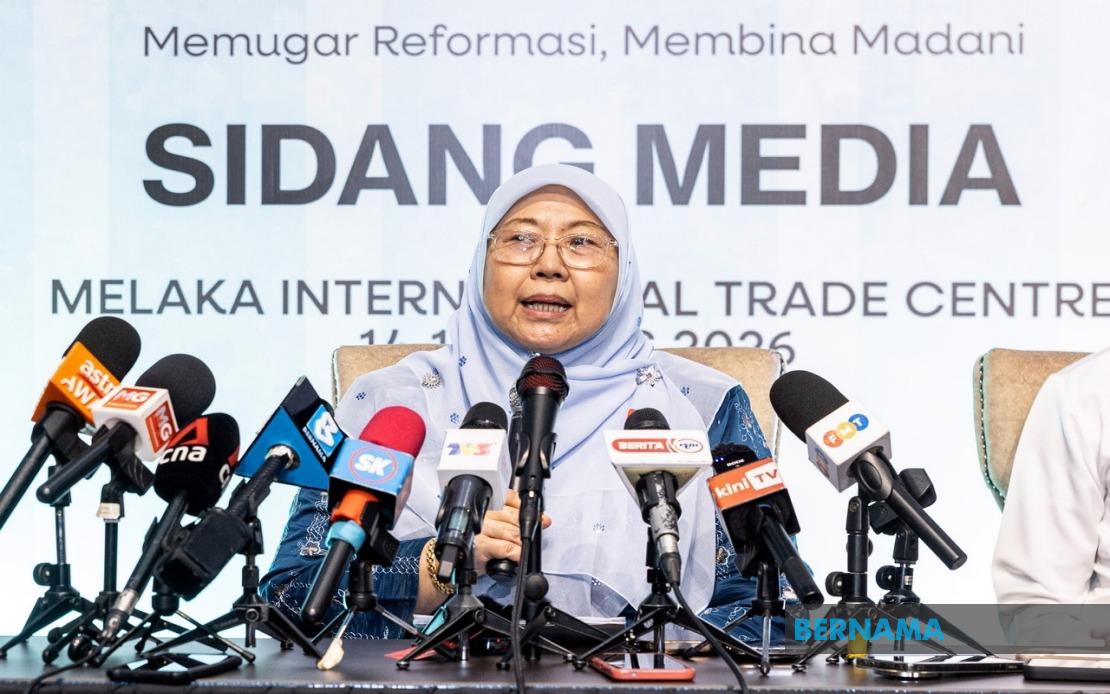
PKR secretary-general Senator Datuk Dr Fuziah Salleh made the announcement during an address to reporters on the sidelines of the party's 2026 National Congress held at the Melaka International Trade Centre in Ayer Keroh on August 14. The timing of Nurul Izzah's departure underscores the party's commitment to completing its immediate organisational obligations before she steps back from active duties. She will remain engaged through the entirety of the three-day congress, maintaining her responsibilities despite her imminent leave.
During the congress, Nurul Izzah is scheduled to fulfil several significant ceremonial and leadership roles, including presiding over proceedings involving Angkatan Muda Keadilan (AMK), the youth wing, and Wanita PKR, the women's division. Her participation extends to moderating debate sessions and delivering closing remarks that will set the tone for the party's future direction. This commitment reflects the importance PKR places on demonstrating continuity in leadership during a major gathering of party delegates and grassroots members.
Fuziah's statement regarding the absence of a fixed timeline carries particular significance in the Malaysian political context, where leave from senior party positions can sometimes signal transition or uncertainty. By framing Nurul Izzah's departure as temporary and contingent solely on her readiness to return, PKR leadership has attempted to project confidence in both the deputy president's commitment to the party and the stability of its organisational structure. The emphasis on welcoming her back "when she was ready" suggests that her academic pursuits carry the party's endorsement rather than representing a departure driven by other considerations.
The decision also reflects broader generational and professional trends within Malaysian political parties, where younger leaders increasingly seek to balance public service with educational advancement. As the daughter of Prime Minister Anwar Ibrahim and a significant figure within PKR's political hierarchy, Nurul Izzah's pursuit of further studies may carry symbolic weight beyond her individual aspirations, potentially signalling the party's recognition that contemporary political leadership benefits from advanced qualifications and intellectual development.
Fuziah additionally previewed the substantive content of the National Congress, indicating that PKR president Anwar Ibrahim would deliver remarks addressing the party's ideological direction, strategic objectives, and planned reforms to party structures and processes. These remarks are anticipated to resonate with delegates who have gathered to shape PKR's trajectory during a period when Malaysian politics continues to evolve following recent electoral cycles and coalition realignments. The secretary-general's characterisation of the congress as a space for grassroots participation suggests that delegates will exercise meaningful agency in determining which policy proposals advance for broader party consideration.
The institutional reform agenda referenced by Fuziah represents a significant aspect of PKR's current focus, particularly as the party seeks to strengthen its organisational apparatus and reinforce cohesion across its membership. This modernisation effort comes as Malaysian political parties across the spectrum grapple with questions about internal governance, youth engagement, and adaptation to shifting electoral dynamics. PKR's emphasis on institutional renewal reflects recognition that sustained political relevance requires both ideological clarity and operational effectiveness.
Nurul Izzah's temporary withdrawal from active party duties also arrives at a moment when PKR's role within Malaysia's political landscape remains subject to ongoing negotiation. As a key component of the ruling coalition, the party balances competing pressures to demonstrate unity, deliver policy outcomes, and maintain internal momentum. The accommodation of her academic leave suggests that PKR leadership believes the party possesses sufficient depth of bench strength to manage her absence without significant disruption to its operations or public-facing activities.
For Malaysian observers and regional political analysts, the handling of this transition exemplifies how established political parties navigate the intersection of personal development and institutional continuity. The absence of a predetermined return date leaves considerable flexibility, potentially allowing Nurul Izzah to pursue her studies without external pressure while preserving her position within PKR's leadership hierarchy. This approach contrasts with more rigid protocols that some organisations maintain regarding extended leave from senior roles, suggesting a more adaptive governance model.

