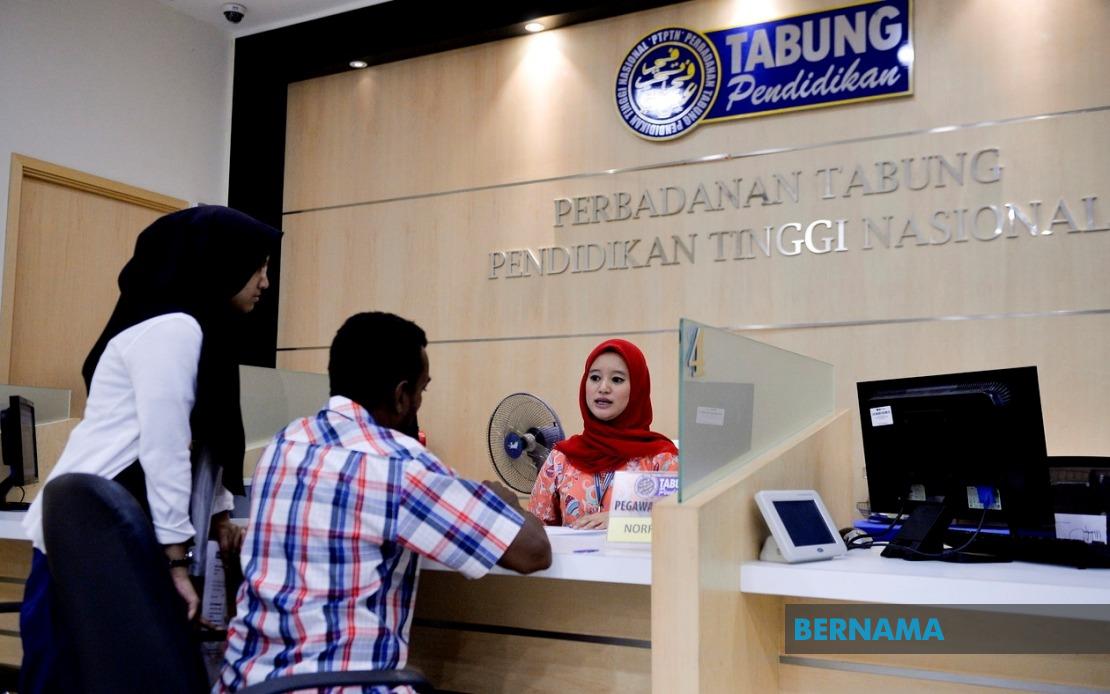
The Women's Wing of Parti Keadilan Rakyat has intensified calls for sweeping changes to how Malaysia manages student loan repayments, throwing its weight behind proposals to eliminate the 15 per cent fee imposed by debt collection agencies and establish a pathway for borrowers to renegotiate terms directly with the National Higher Education Fund Corporation. The advocacy arrives as the government signals openness to reconsidering PTPTN's entire existence, a prospect that has energised discussions about the institution's fundamental role in financing tertiary education across the country.
Karen Kasturi, speaking in her capacity as an executive committee member of PKR Wanita, framed the requested changes as essential interim measures that must take effect immediately, regardless of whether the broader debate over PTPTN's long-term viability reaches a definitive conclusion. Her intervention reflects growing concern within parliamentary circles that policymakers have focused excessively on conceptual reform whilst the existing base of borrowers—numbering in the hundreds of thousands—continue experiencing acute financial hardship under current arrangements. The timing of these demands carries particular weight given that Prime Minister Datuk Seri Anwar Ibrahim confirmed only recently that discussions with Higher Education Minister Datuk Seri Dr Zambry Abd Kadir regarding potential abolition are underway.
The 15 per cent debt collection fee represents a critical pinch point in the repayment ecosystem that demands urgent attention, according to Kasturi's statement. Many borrowers face demands for lump-sum settlements amounting to half their outstanding balance, and the addition of this substantial intermediary charge compounds an already severe financial burden for individuals already struggling to meet obligations. The fee functions as a punitive barrier rather than a reasonable administrative cost, Kasturi argued, particularly for borrowers genuinely motivated to clear their debts but lacking the liquid resources to comply with such aggressive collection terms.
Equally troubling, from Kasturi's perspective, is the procedural confusion that pervades the restructuring landscape. Borrowers seeking assistance have reported receiving contradictory guidance: they are directed toward PTPTN to explore restructuring options, only to be redirected to debt collection agencies without transparent explanation or meaningful opportunity to negotiate directly with the fund administrator. This inconsistency undermines borrower confidence and transforms what should be a transparent administrative process into an opaque bureaucratic maze that discourages compliance among those willing to engage constructively.
The PKR Wanita proposal encompasses broader structural reforms aimed at introducing flexibility into repayment mechanisms. Enhanced restructuring options would accommodate the diverse circumstances of borrowers, whilst targeted interventions for households within the B40 and M40 income brackets would address the particular vulnerability of Malaysia's lower and middle-income populations. Such differentiated approaches recognise that repayment capacity varies dramatically across socioeconomic segments and that one-size-fits-all enforcement protocols inevitably produce inequitable outcomes.
A secondary concern raised by Kasturi involves Employees Provident Fund allocations designated for PTPTN repayments. These savings represent retirement security for working Malaysians, yet intermediary charges including debt collection fees erode the value that borrowers extract from utilising this mechanism. The framework should guarantee that EPF utilisation functions as intended—as genuine debt relief—rather than being substantially diminished through fee extraction at multiple points within the transaction process.
The underlying philosophy animating these demands reflects a fundamental reframing of how policymakers should conceptualise the borrower-lender relationship. Rather than treating PTPTN borrowers primarily as debtors whose non-compliance justifies increasingly punitive measures, Kasturi advocates positioning them as Malaysians whose access to higher education represented a public investment in human capital development. From this perspective, aggressive debt collection undermines broader national interests in social mobility and workforce development, as financially stressed graduates become less productive economic participants.
Context matters considerably when evaluating these proposals against Malaysia's higher education landscape. PTPTN's inception reflected recognition that students from non-affluent backgrounds required subsidised financing to access tertiary qualifications. Yet the repayment system has evolved into an apparatus that sometimes compounds rather than alleviates financial precarity. The accumulation of penalties, fees, and enforcement actions has created situations where borrowers owe substantially more than their original principal, fundamentally distorting the social contract underlying student financing.
The government's openness to discussing PTPTN abolition stems partly from campaign commitments made during recent electoral contests, notably in Johor where education financing emerged as a salient voter concern. Whether such discussions culminate in substantive institutional change remains uncertain. However, Kasturi's intervention establishes a crucial intermediate position: even if comprehensive abolition proves politically or fiscally unfeasible, substantial relief measures targeting existing borrowers represent an achievable and morally defensible pathway forward.
Implementing these reforms would require coordination across multiple ministerial portfolios and potentially amendments to regulatory frameworks governing PTPTN operations. The Higher Education Ministry would bear primary responsibility, though Finance Ministry involvement would prove necessary given budgetary implications of fee elimination or expanded restructuring. Higher education institutions themselves, which benefit from PTPTN's role in ensuring student enrolment, possess institutional interests in successful outcomes.
The broader regional dimension deserves consideration. Across Southeast Asia, student loan systems operate with varying degrees of efficiency and borrower-friendliness. Malaysia's potential reforms could signal important commitments to social equity and educational access at a moment when numerous countries grapple with similar tensions between fiscal sustainability and equitable opportunity provision. Demonstrating that governments can balance these concerns through thoughtful policy design carries implications extending beyond Malaysia's borders.
Critically, Kasturi's call for immediate action acknowledges a temporal dimension often overlooked in policy debates: delay itself imposes costs. Every month that struggling borrowers navigate the current system represents months of financial stress, degraded credit ratings, and diminished economic participation. From an economic standpoint, expedited relief measures could generate positive returns through increased consumer spending, improved loan default rates, and reduced administrative costs associated with enforcement.
The PKR Wanita intervention represents more than partisan positioning; it articulates substantive policy arguments grounded in equity principles and practical economics. Whether the government responds affirmatively to these specific proposals will test the sincerity of commitments to PTPTN reform and reveal the administration's genuine priorities regarding access to higher education and financial wellbeing of ordinary Malaysians.

