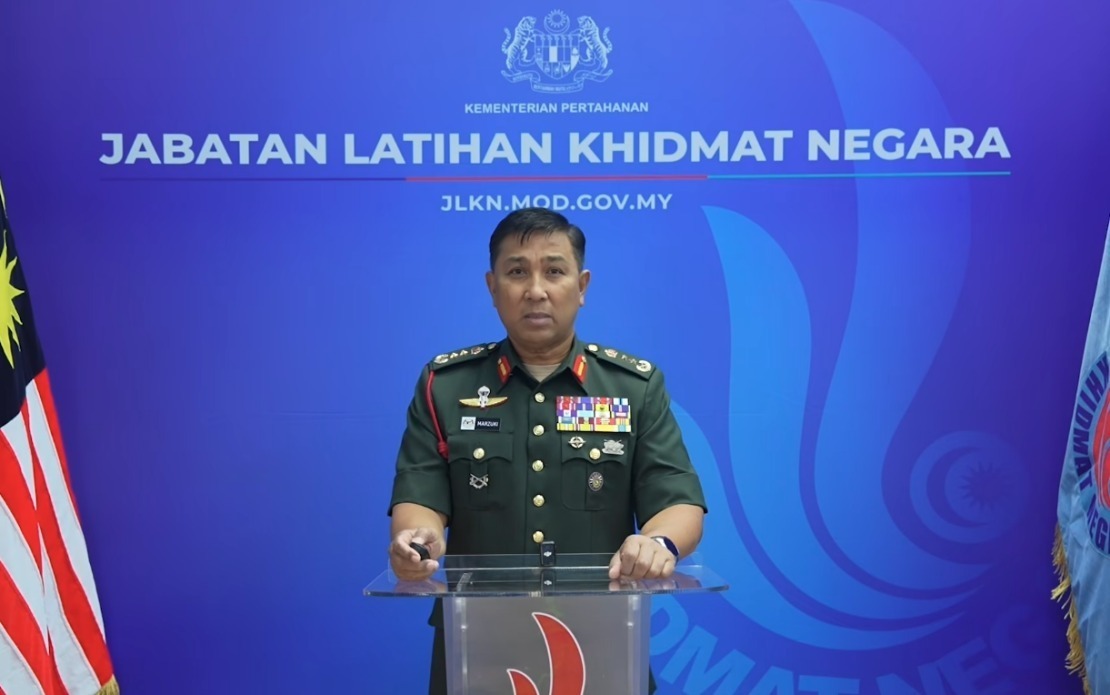
The National Service Training Department has accommodated the democratic participation of trainees by granting voting leave to 77 personnel enrolled in PLKN 3.0 Series 3/2026, allowing them to exercise their franchise in the forthcoming Johor and Negeri Sembilan state elections without derailing the national service programme's core objectives.
Major General Datuk Marzuki Mokhtar, director general of the department, emphasised that this arrangement reflects the government's commitment to safeguarding citizens' voting rights whilst ensuring the training initiative maintains its structured education and national-building mandate. The decision underscores an important principle in Malaysian democratic practice: that civic duties should be accommodated even within disciplined institutional settings where participants have limited mobility.
Of the approved trainees, 31 individuals casting ballots in the Johor state election were permitted to defer their camp reporting until the following day, allowing adequate time to travel and fulfil their electoral obligations. This flexibility recognises the logistical challenges faced by trainees stationed away from their home constituencies, a practical consideration that balances institutional discipline with individual democratic rights.
The situation differs slightly for Negeri Sembilan participants, where 46 trainees voting on August 1 will receive an extended leave window of two to three days. This more generous timeframe reflects the additional travel requirements for those journeying to Negeri Sembilan from their training locations, demonstrating how the department tailored its approach based on geographical and logistical realities facing different cohorts.
The current PLKN 3.0 Series 3/2026 programme, which commenced on the date of the Johor election and runs through August 24, is accommodating approximately 870 confirmed trainees across three strategic locations. Camp 505 AW in Pekan, Pahang serves as the primary training facility with 500 participants, whilst the Kuala Lumpur-based Camp 515 AW hosts 250 trainees, and Camp 504 AW Bukit Keteri in Perlis supports 120 participants. This geographic distribution reflects efforts to decentralise the programme and reach different regions of the peninsula.
The PLKN 3.0 initiative represents Malaysia's contemporary approach to mandatory national service, building upon the National Service Training Programme's longstanding role in fostering national cohesion and disciplined citizenship among young Malaysians. By ensuring trainees can vote, the programme demonstrates that national service and democratic participation are complementary rather than competing values—a message significant for public confidence in both institutions.
For prospective participants in the forthcoming PLKN 3.0 Series 4/2026, particularly those born in 2008 who fall within the eligible age bracket, the department has advised close monitoring of official announcements regarding selection procedures and registration timelines. This guidance proves essential as the programme expands its capacity and reach, ensuring transparency and accessibility for the next cohort of trainees.
The accommodation of voting rights within PLKN reflects broader evolving practices in Southeast Asian democracies regarding military and paramilitary training programmes. As regional governments increasingly recognise the importance of maintaining democratic participation across all population segments, Malaysia's approach of granting strategic leave becomes a model worth observing, particularly for nations establishing or revising their own national service frameworks.
This development also carries implications for how Malaysia manages future electoral cycles coinciding with PLKN schedules. With state elections occurring at irregular intervals and the national service programme running continuously throughout the year, the system's flexibility in accommodating voting represents institutional maturity—recognising that both democratic processes and national service training serve the broader national interest.
The voting leave arrangement provides reassurance to prospective PLKN trainees and their families regarding the programme's respect for individual rights. Concerns about compulsory service sometimes centre on perceived restrictions on personal freedoms; this visible accommodation of electoral participation helps address such apprehensions and strengthens social acceptance of mandatory national service.
Moreover, the integration of voting opportunities within the PLKN framework serves an educational function within the programme itself. Trainees experiencing the practical exercise of democratic rights whilst engaged in structured national service gain firsthand understanding of how citizenship duties extend beyond military discipline, reinforcing that responsible citizenship encompasses both service to the nation and participation in its democratic processes.

