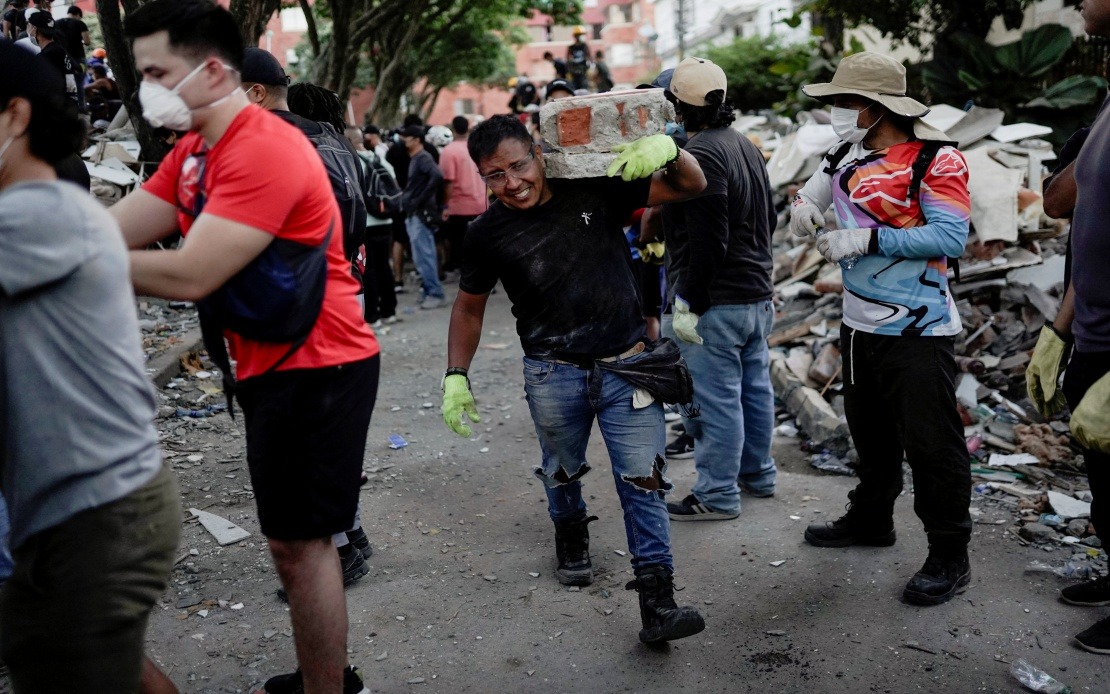
Prime Minister Datuk Seri Anwar Ibrahim has conveyed Malaysia's deepest sympathies to the Colombian people following a catastrophic earthquake that struck the nation's western territories, expressing the country's unwavering support during this humanitarian crisis. Through a statement shared on social media, Anwar acknowledged the scale of the disaster and reiterated Malaysia's commitment to standing alongside Colombia as the nation grapples with the aftermath of one of its most severe natural disasters in recent decades.
The earthquake, registering a magnitude of 7.4 on the seismic scale, devastated western Colombia on Monday, with its primary impact centred in the Chocó region. The tremor ranks among the most powerful seismic events to have affected the country in many years, underscoring the exceptional severity of the natural disaster. Multiple aftershocks have continued to shake the affected areas, complicating rescue and recovery operations and heightening fears among residents and first responders alike.
Official reports indicate that more than 100 people have perished in the disaster, whilst extensive structural damage has been documented across several major urban centres in the region. Cities including Cali, Pereira, and Manizales have sustained significant destruction to buildings, infrastructure, and essential services. The scale of physical devastation extends beyond immediate casualty figures, as widespread property damage threatens the livelihoods and stability of entire communities in the earthquake zone.
In his official statement, Anwar articulated Malaysia's formal condolences to the bereaved families, emphasising the Malaysian government and citizenry's shared grief over the loss of life. The prime minister's remarks reflected a diplomatic acknowledgement of Colombia's suffering whilst reinforcing bilateral ties between the two nations. This expression of solidarity aligns with Malaysia's broader commitment to supporting nations facing natural disasters and humanitarian emergencies, demonstrating the country's role as a responsible member of the international community.
An integral element of Anwar's message focused on recognising the extraordinary efforts of rescue personnel and volunteer organisations actively engaged in search and recovery operations. These frontline responders continue their labour despite hazardous conditions, including the ongoing threat of secondary seismic events that could endanger both survivors and rescue teams. The prime minister's specific acknowledgement of their courage underscored Malaysia's appreciation for the human dimension of disaster response and the personal sacrifices required in such circumstances.
The continuing sequence of aftershocks presents a complex challenge to rescue operations, as teams must balance the urgency of locating missing persons with the necessity of protecting themselves and survivors from additional seismic activity. This dynamic situation reflects the unpredictable nature of natural disasters and the resilience required from those involved in emergency response efforts. Weather conditions and difficult terrain in the affected regions further compound these challenges, slowing the pace of comprehensive damage assessment and systematic rescue work.
Malaysia's diplomatic response reflects the broader international engagement surrounding the Colombia earthquake. Nations worldwide have similarly extended condolences and offered humanitarian assistance, creating a network of global support during the crisis period. For Malaysia, this represents an opportunity to reinforce its standing as a compassionate international actor whilst potentially establishing frameworks for future bilateral cooperation on disaster management and preparedness between the two countries.
The earthquake carries significant implications for Colombia's economic and social recovery trajectory. Beyond the immediate humanitarian crisis, the disaster threatens to disrupt economic activity, strain healthcare infrastructure, and displace thousands of residents. International attention and support, as evidenced by Malaysia's expression of solidarity, can facilitate resource mobilisation and knowledge-sharing regarding disaster recovery best practices. For Southeast Asian nations including Malaysia, the Colombian experience serves as a stark reminder of the vulnerability of even developed nations to seismic hazards and the importance of continuous investment in early warning systems, building codes, and disaster preparedness infrastructure.
Arnold's message also contained prayers for the rapid recovery of the injured and the safe discovery of those remaining missing. This spiritual dimension of the diplomatic statement reflects Malaysia's Muslim-majority character whilst transcending religious boundaries to express universal human compassion. The prime minister's emphasis on strength and resilience underscores a recognition that Colombia's recovery process will extend considerably beyond the immediate aftermath, requiring sustained determination and international support throughout the rebuilding phase.
The timing and content of Malaysia's official response highlight the country's active participation in global affairs and its commitment to humanitarian values. Whilst Malaysia maintains its focus on regional concerns and domestic priorities, the extension of condolences to Colombia demonstrates the government's awareness of international developments and willingness to engage meaningfully with distant nations experiencing acute crises. This measured yet sincere diplomatic engagement strengthens Malaysia's soft power and international reputation, positioning the country as a reliable and empathetic member of the global community.

