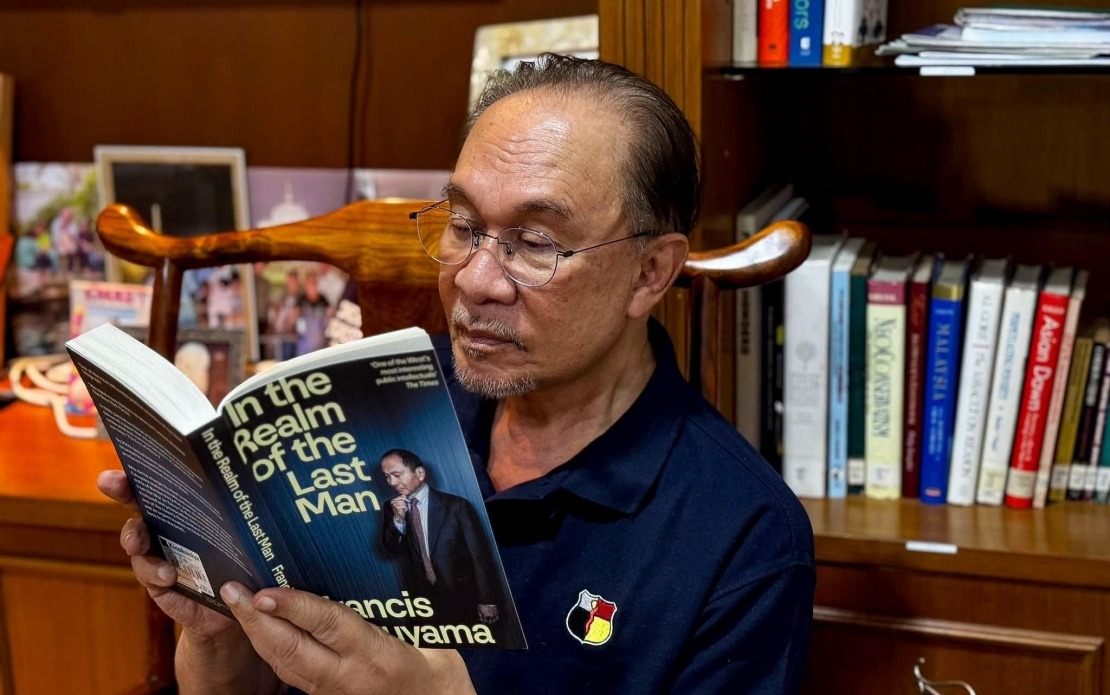
Prime Minister Datuk Seri Anwar Ibrahim has returned to his residence following his discharge from hospital on August 12, marking the end of his brief medical stay. The premier shared news of his homecoming via social media, posting a photograph of himself reading and accompanying it with the caption "Alhamdulillah, back home", signalling his positive condition upon discharge.
The timing of Anwar's release came as expected by his medical team. His wife, Datuk Seri Dr Wan Azizah Wan Ismail, had previously indicated that the Prime Minister would be cleared to leave hospital on the same day, contingent upon his continued recovery following the procedure. The announcement reflected the planned nature of the surgical intervention and the confidence of medical professionals in his trajectory.
Anwar underwent an elective laparoscopic surgical procedure on August 10, designed to address a para-umbilical hernia—a condition involving tissue protrusion near the navel. Laparoscopic techniques, which utilise small incisions and camera-guided instruments, typically result in shorter recovery periods and reduced post-operative discomfort compared to traditional open surgery. The decision to pursue this elective procedure demonstrates proactive health management rather than response to acute medical crisis.
Throughout his hospital stay, the Prime Minister remained under the attentive care of a team of medical specialists who monitored his condition closely following surgery. This comprehensive medical oversight ensured early identification of any complications and facilitated smooth post-operative recovery. The relatively rapid discharge timeline—just two days after the procedure—indicates that Anwar experienced no significant complications and that his physical condition met discharge criteria established by his medical team.
The brief nature of his hospitalisation carries implications for Malaysia's government continuity. As Prime Minister, Anwar's absence from official duties, even for a routine surgical procedure, generates questions about state business and delegation of authority. However, the swift discharge suggests minimal disruption to governmental operations, with the Prime Minister expected to resume his full portfolio of responsibilities in the coming days as he completes his recovery at home.
For Malaysian citizens and the broader region, the incident underscores the importance of preventive healthcare and timely medical intervention. Para-umbilical hernias, while generally manageable through conservative approaches initially, can benefit from surgical correction to prevent potential complications such as strangulation or further enlargement. Anwar's willingness to address the condition through planned surgery reflects medical best practices and serves as a reminder of health-conscious leadership.
The public communication surrounding the procedure—from initial disclosure through discharge updates—reflects the transparency increasingly expected of political leaders regarding health matters. Unlike historical precedent in some jurisdictions where leader health issues remained opaque, Malaysia's contemporary political culture favours open information sharing. This approach builds public confidence and prevents speculation that might otherwise circulate through rumour and unofficial channels.
Recovery from laparoscopic hernia surgery typically follows a predictable course, with most patients resuming normal activities within two to four weeks. Anwar's discharge to home care, rather than extended hospitalisation, positions him well for this recovery trajectory. The Prime Minister will likely observe activity restrictions in the near term while his incision sites heal completely, though his ability to perform administrative duties from his residence remains unaffected.
From a regional perspective, Malaysia's healthcare infrastructure demonstrated capability in managing surgical care for its most senior political figure. The availability of laparoscopic surgical expertise and perioperative specialist oversight reflects the standards available through Malaysia's medical system. This incident provides subtle reassurance to investors and observers regarding the reliability of institutional healthcare provision within the country.
Anwar's quick return home also signals his confidence in his medical condition and his readiness to resume governance responsibilities. The social media announcement, casual in tone yet deliberate in message, communicates both the successful resolution of the health matter and the Prime Minister's engagement with modern communication channels. Such posts, while seemingly routine, carry significance in shaping public perception of leadership capacity and wellness.

