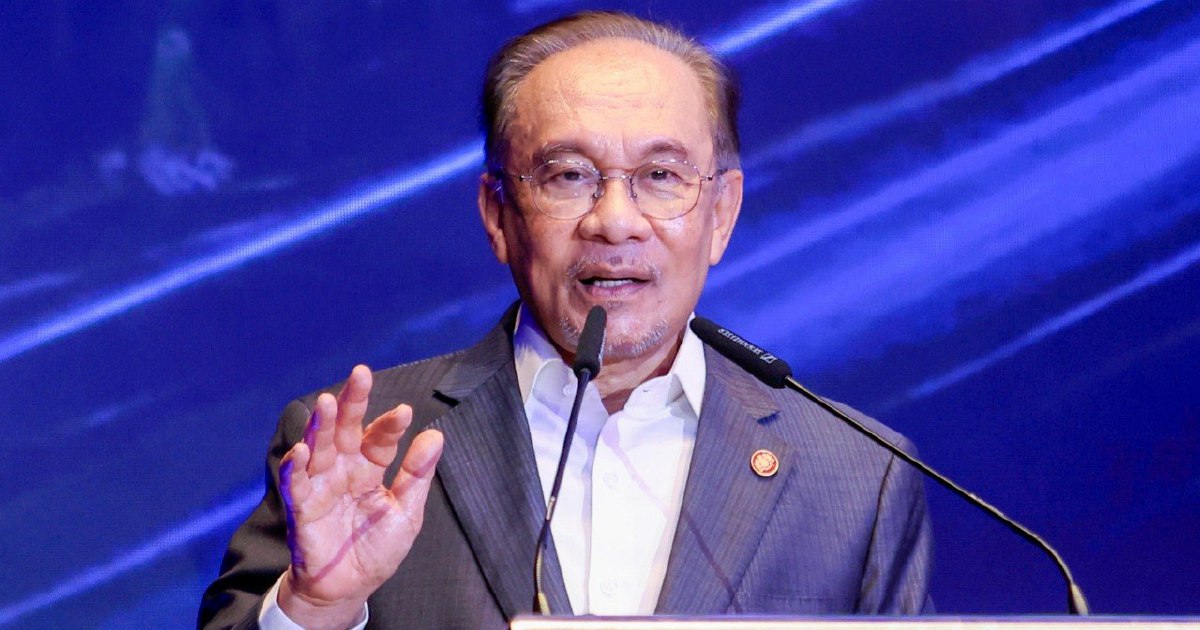
Prime Minister Datuk Seri Anwar Ibrahim is currently undergoing a programme of medical examinations and clinical procedures following recommendations from his attending medical specialists. The assessment represents part of ongoing health monitoring protocols established for the nation's chief executive, with the Malaysian government maintaining its standard oversight procedures for the health and wellbeing of senior leadership.
The medical team overseeing the Prime Minister's care has determined the scope and nature of these examinations, which will span across a two-day observation period. This timeframe allows specialists to conduct comprehensive testing and ensure proper monitoring of the Prime Minister's condition throughout the process. The decision to conduct these assessments underscores the government's commitment to maintaining transparent health protocols for its top official.
Governance structures in Malaysia require that the Prime Minister's health status be appropriately managed and documented, particularly given the demands of the office and the nation's need for continuity in executive leadership. Regular medical reviews for heads of government are standard practice internationally, ensuring that those responsible for critical policy decisions maintain optimal health and fitness for duty.
The timing of these medical procedures does not appear to signal any immediate health concerns, but rather reflects the recommended medical management strategy devised by specialists familiar with the Prime Minister's health profile. Such proactive assessments help identify any emerging issues early and allow for appropriate intervention if required. The two-day monitoring window provides adequate time for the specialist team to complete necessary investigations and evaluate results comprehensively.
For Malaysian readers and observers of regional politics, the health status of the Prime Minister carries significance beyond personal medical matters. As the architect of recent political realignments and the chief administrator of the government's policy agenda, any disruption to the Prime Minister's capacity could have broader implications for policy implementation and political stability. The government's transparency in announcing these medical reviews demonstrates confidence in standard health management procedures.
Regional governments typically maintain similar protocols for senior officials, recognizing that public confidence in leadership partly depends on assurance that chief executives are in appropriate health to discharge their responsibilities. Southeast Asian political observers have noted that transparent communication about health assessments, rather than secrecy or speculation, generally reinforces public trust in institutional governance.
The composition of the Prime Minister's medical team, drawn from Malaysia's healthcare specialists, reflects the depth of expertise available within the national medical establishment. These specialists would be familiar with both contemporary medical practice standards and any health considerations specific to the demands of high-level office. Their oversight ensures that examinations meet internationally recognized clinical standards.
The announcement of the medical review itself serves a practical governmental function, providing clarity to the public about the Prime Minister's engagement and expected availability. Such communications help prevent speculation and maintain institutional confidence during any period when the head of government may have reduced accessibility due to medical procedures.
Looking ahead, the conclusion of the two-day monitoring period will likely result in updated health information being provided to relevant stakeholders within government and, where appropriate, to the public. Malaysian governance conventions typically require that information affecting the Prime Minister's capacity to function be handled with appropriate sensitivity while maintaining necessary transparency. The specialist team's assessment will inform any necessary adjustments to the Prime Minister's schedule and workload in the coming weeks.

