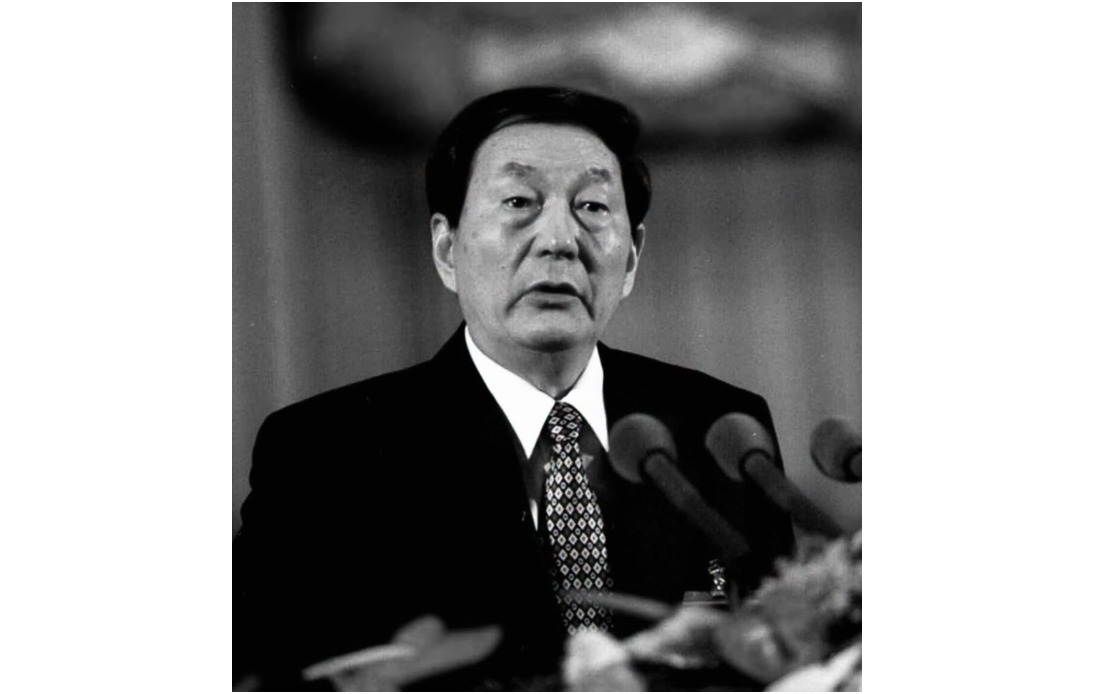
Prime Minister Datuk Seri Anwar Ibrahim has mourned the death of Zhu Rongji, the former Premier of the People's Republic of China who passed away at age 97. In a statement released on August 12, Anwar hailed Zhu as one of the defining figures in China's transformation from a centrally planned economy into a global economic force, describing the late statesman as both a visionary reformer and a trusted friend whose contributions shaped not only China's trajectory but also Malaysia's relationship with Beijing.
Zhu's tenure as China's Premier from 1998 to 2003 marked a pivotal chapter in the nation's modern economic history. During his decade in office, he spearheaded a comprehensive programme of market-oriented reforms that fundamentally restructured how the Chinese economy operated. His most consequential achievement was orchestrating China's accession to the World Trade Organisation, a milestone that opened global markets to Chinese manufacturers and foreign investors alike, setting the foundation for the unprecedented economic growth that followed. Beyond WTO entry, Zhu tackled the thorny issue of state-owned enterprise reform, a politically sensitive undertaking that required dismantling decades-old systems of state control whilst managing the social consequences of restructuring.
Anwar's personal recollection of Zhu reveals a relationship that transcended formal diplomatic protocol. The Prime Minister recalled collaborative efforts during the 1990s to forge deeper economic and financial linkages between Malaysia and China, a period when both nations were repositioning themselves within the evolving regional and global economy. The foundation stones laid during that era, according to Anwar, remain the bedrock upon which contemporary Malaysia-China relations rest. This historical perspective underscores how the personal relationships forged by political leaders can have enduring institutional consequences, with frameworks and partnerships established decades earlier continuing to facilitate bilateral commerce, investment, and strategic cooperation.
Beyond the realm of high finance and trade agreements, Anwar remembered Zhu as a man of intellectual depth and cultural sophistication. He recounted visits to places steeped in Chinese civilisation and history, including Confucius' ancestral home in Qufu and the sacred mountain Tai Shan, as well as tours of landmarks associated with the legendary voyages of Admiral Zheng He. These experiences, shared between the two leaders, reflected Zhu's desire to acquaint Anwar with the philosophical and historical wellsprings of Chinese identity and achievement. Particularly touching was Zhu's gesture of presenting Anwar with carefully selected classical Chinese texts from his personal library, a gift that symbolised intellectual kinship and mutual respect between the two statesmen.
Anwar characterised Zhu not merely as an economic technician but as a statesman of formidable intellect and unwavering moral conviction. The Prime Minister emphasised that Zhu possessed a fierce dedication to serving his nation's interests, a commitment that guided his policy decisions even when those decisions carried significant political risk. This portrait of Zhu as a man of principle rather than mere pragmatism offers insight into how Anwar perceives effective leadership—as rooted in a clear sense of national duty and ethical foundation rather than expediency alone.
The passing of Zhu represents the end of an era in Chinese leadership. He belonged to a generation of senior officials who came of age during China's revolutionary period and navigated the country's transition to market economics with varying degrees of success. Zhu stood out among his peers for his willingness to embrace radical economic restructuring at a moment when alternative paths might have seemed safer politically. His willingness to challenge established interests, particularly entrenched bureaucracies benefiting from state ownership, demonstrated conviction that transcended the typical constraints of factional politics within China's leadership structure.
For Malaysia specifically, Zhu's legacy carries practical significance. The economic relationship that Anwar helped cultivate with Zhu in the 1990s has evolved into one of Malaysia's most consequential bilateral partnerships. Chinese investment in Malaysian infrastructure, manufacturing, and commerce has grown exponentially since that foundational period, with trade between the nations reaching billions of dollars annually. The institutional frameworks and political goodwill established through relationships like those between Anwar and Zhu have proven remarkably resilient, surviving changes in political leadership, geopolitical tensions, and economic cycles.
The timing of Zhu's death arrives amid a broader recalibration of regional alignments in Southeast Asia. China's economic dominance has only intensified since Zhu's retirement from frontline politics, making his role in laying the groundwork for that rise historically significant. For Malaysian policymakers and regional observers, Zhu's career offers lessons about the long-term consequences of institutional economic reform, the importance of maintaining stable relationships with major powers, and the way that personal friendships between leaders can translate into tangible national benefits over decades.
Anwar's tribute also reflects the importance Malaysia places on its relationship with China and the degree to which personal connections between leaders matter in sustaining diplomatic and economic ties. The warm language employed in the Prime Minister's statement—describing Zhu as a friend rather than merely a counterpart—signals Malaysia's commitment to maintaining the momentum of engagement that Zhu and Anwar helped establish more than three decades ago. As both nations navigate an increasingly complex geopolitical environment, the legacy of constructive bilateral partnership forged during Zhu's tenure remains relevant.

