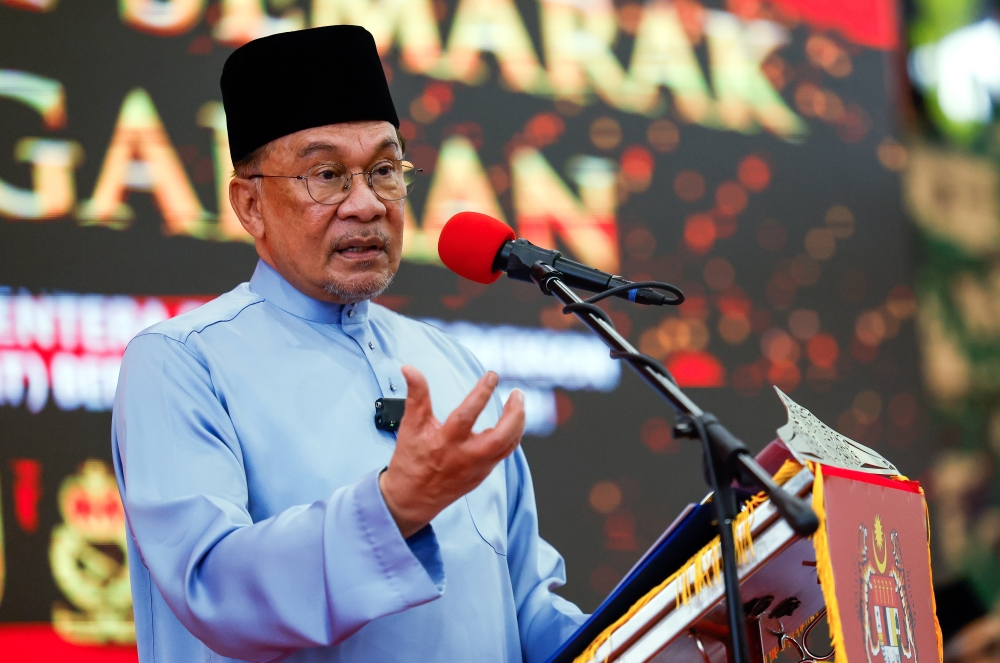
Prime Minister Anwar Ibrahim has provided insight into the decision to keep the Royal Commission of Inquiry report on Lembaga Tabung Haji confidential, revealing that authorities feared releasing the findings could trigger widespread panic and destabilise the nation's pilgrimage savings scheme.
Speaking at an event in Port Dickson on July 24, Anwar explained that the withholding of the RCI report was a calculated measure aimed at protecting the financial integrity of Tabung Haji and the interests of its millions of depositors. The Prime Minister's comments shed light on the government's cautious approach to managing sensitive information concerning one of Malaysia's most important Islamic financial institutions.
Tabung Haji, which manages savings for Malaysian Muslims preparing for the Hajj pilgrimage to Mecca, holds billions of ringgit in deposits from over three million account holders. The institution has historically played a crucial role in helping ordinary Malaysians fulfil their religious obligations while accumulating wealth for this sacred journey. Any suggestion of financial instability could have profound consequences for public confidence and potentially lead to sudden, large-scale withdrawal requests that the fund might struggle to accommodate swiftly.
The decision to commission a Royal Commission of Inquiry into Tabung Haji's operations indicated that concerns about the institution's management and financial health had reached levels warranting formal investigation. However, the government's subsequent choice to maintain the report's confidentiality demonstrates the delicate balance between transparency and prudent crisis management that policymakers must navigate when dealing with institutions that touch the lives of millions.
For Malaysian readers, the implications are significant. Tabung Haji serves not merely as a financial institution but as a cornerstone of religious and social practice for the Muslim majority. The fund's stability affects not only individual savers but also Malaysia's broader financial ecosystem and the reputation of government institutions managing public resources. A loss of confidence could have cascading effects throughout the Islamic finance sector, which has become increasingly important to Malaysia's economic positioning in the global marketplace.
The timing of Anwar's revelation raises questions about how long such information can realistically remain undisclosed in an era of digital communication and investigative journalism. Previous instances of withheld reports have eventually surfaced through parliamentary proceedings, leaked documents, or official disclosures, often creating additional controversy when the full story finally emerges. The government's approach here suggests awareness that some revelations, however concerning, require careful management and contextualisation before public release.
From a Southeast Asian perspective, Malaysia's experience with managing sensitive financial institution reports reflects broader regional challenges. Other countries in the bloc grapple with similar tensions between financial stability and democratic accountability. How governments handle disclosure of institutional problems sets precedents for public trust in oversight mechanisms and regulatory bodies across the region.
Anwar's explanation also highlights the distinction between secrecy for concealment versus confidentiality for prudent management. The government appears to position its decision within the latter framework, suggesting that releasing alarming information without accompanying remedial measures or stabilisation efforts would be counterproductive. This rationale requires accepting that authorities have indeed implemented corrective actions to address whatever deficiencies the RCI identified.
The broader question of when and how to release such reports involves weighing multiple stakeholders' interests. Depositors have a right to know about threats to their savings. The government has responsibility for systemic financial stability. Financial regulators need information to oversee the sector effectively. These competing interests do not always align with immediate, unfiltered disclosure.
Looking forward, the sustainability of keeping the report under wraps depends on the effectiveness of whatever measures have been taken to address identified problems. If Tabung Haji continues operating normally and rebuilding confidence, the initial decision to withhold the report may be vindicated as wise crisis management. Conversely, if further problems emerge, the secrecy decision will likely face criticism for delaying necessary public awareness and corrective action.
For Malaysian society more broadly, this situation underscores the importance of robust institutional oversight frameworks and clear protocols for managing sensitive institutional matters. Building sustainable public confidence requires not just avoiding panic in the short term but establishing credible, transparent mechanisms that allow stakeholders to understand institutional health without unnecessary alarm.

