Prime Minister Datuk Seri Anwar Ibrahim is set to intensify Pakatan Harapan's push in Negeri Sembilan by joining the campaign trail this Wednesday, according to state coalition chairman Datuk Seri Aminuddin Harun. The premier will participate in multiple campaign events across Sikamat and Paroi, appearing alongside senior party figures and grassroots organisers as the 16th Negeri Sembilan state election enters its critical final phase.
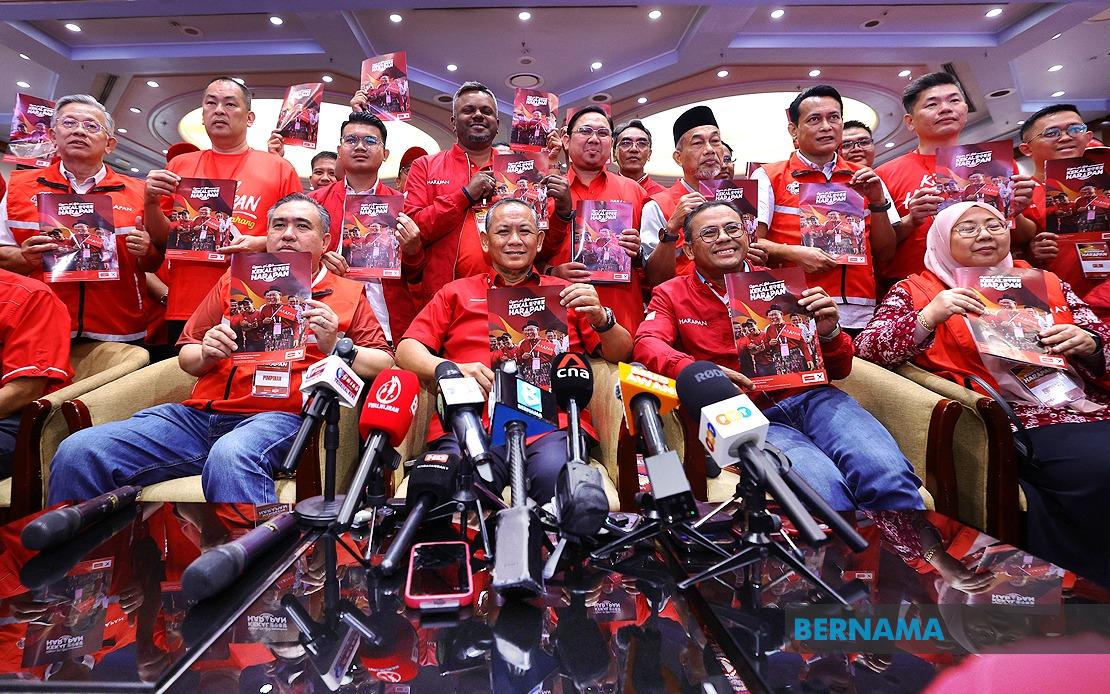
Aminddin, who is also contesting the Linggi seat, made the announcement during the launch of the coalition's state manifesto in Seremban. He downplayed Anwar's non-attendance at the evening manifesto launch, framing the premier's later arrival as part of a deliberate strategy to maximise campaign visibility across different constituencies. The timing of Anwar's Wednesday engagement underscores the leadership's commitment to galvanising voter support in a state where Pakatan has consolidated power in recent years but faces persistent electoral competition.
The manifesto unveiled in Seremban reflects Pakatan's comprehensive policy platform for the state administration, encompassing administrative efficiency, household economic welfare, industrial competitiveness, and educational advancement. The coalition has prioritised commitments spanning housing development, youth employment initiatives, gender equity programmes, and cultural preservation. Infrastructure modernisation and agricultural innovation feature prominently, alongside pledges for religious harmony and communal cohesion—issues that resonate particularly in Negeri Sembilan's multi-ethnic electorate.
Aminddin's remarks during the manifesto presentation emphasised the coalition's track record in translating electoral mandates into tangible outcomes. He stressed that the document represents binding commitments to constituents, framed within the Islamic framework of accountability and sincerity (insya-Allah). This rhetorical positioning attempts to distinguish Pakatan's approach from competing narratives, particularly as opposition parties mount their own campaigns across the state.
The coalition leadership assembled for the manifesto event reflects Pakatan's internal balance. Anthony Loke, DAP secretary-general and the coalition's Chennah seat candidate, joined proceedings alongside Selangor Menteri Besar Datuk Seri Amirudin Shari, who doubles as election director for the state campaign. PKR secretary-general Datuk Dr Fuziah Salleh and Amanah vice-president Datuk Dr Mohd Hatta Md Ramli also attended, demonstrating visible unity among the three coalition components during this critical electoral phase.
The election cycle remains compressed, with early voting scheduled for July 28 and election day set for August 1. This compressed timeline intensifies the significance of high-profile campaign appearances by national leadership. Anwar's personal involvement in ground-level campaigning carries symbolic weight, signalling the federal government's prioritisation of maintaining Negeri Sembilan within Pakatan's orbit. The prime minister's mobility across campaign venues also addresses internal coalition dynamics, ensuring equitable distribution of senior leadership attention among constituencies.
Negeri Sembilan's electoral context reflects broader peninsular political currents. The state has alternated between different administrations historically, though Pakatan has maintained control since the 2018 federal transition. Current challenges to that hold include economic pressures affecting household budgets, evolving rural-urban electoral divides, and demographic shifts in key constituencies. Anwar's participation in Wednesday's events enables direct engagement with voters navigating these concerns while allowing Pakatan to project organisational coherence and top-level commitment.
The manifesto's emphasis on economic competitiveness and household prosperity responds to concerns about cost-of-living pressures affecting middle and working-class voters across Malaysia. In Negeri Sembilan, where manufacturing and service sectors provide substantial employment, messaging around industrial modernisation and skills development carries particular resonance. The coalition's framing of housing affordability and youth opportunity addresses demographic anxieties that transcend state boundaries but carry acute significance in constituencies where young families constitute decisive voter cohorts.
Packatan's multi-ethnic coalition structure requires careful navigation of communal sensitivities, particularly regarding religious affairs and customary heritage. The manifesto's explicit inclusion of these themes signals sophistication in addressing Negeri Sembilan's diverse communities. DAP's participation in campaign events alongside PKR and Amanah represents a deliberate attempt to demonstrate cross-community political solidarity, countering narratives of communal division that opposition campaigns may emphasise.
The strategic importance of securing Negeri Sembilan extends beyond state-level governance. Success here bolsters Pakatan's national momentum ahead of potential federal political developments, while setbacks could provide opposition parties with momentum for mobilising support in other swing states. Wednesday's campaign activities represent Pakatan's calculated response to competitive electoral pressure, deploying premium political capital to consolidate support among persuadable voters during the campaign's final fortnight.
For Malaysian readers and observers, the Negeri Sembilan election serves as a barometer of broader coalitional stability and public sentiment regarding economic management and social governance. Anwar's participation in the state campaign reinforces the interlinked nature of federal and subnational politics, demonstrating how national leadership resources concentrate strategically in competitive electoral battlegrounds. The election outcome will illuminate voter priorities and coalitional resilience in a state whose political trajectory continues influencing peninsular political architecture.

