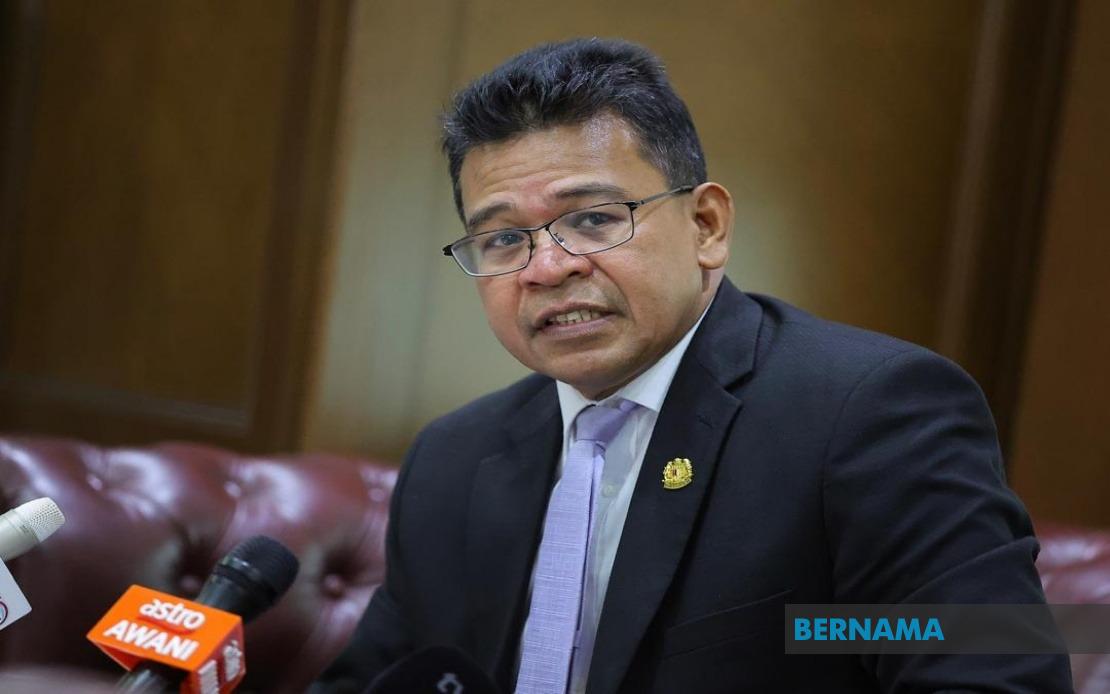
Prime Minister Datuk Seri Anwar Ibrahim is set to embark on a two-day working visit to Brunei beginning tomorrow, where he will participate in the 27th Annual Leaders' Consultation, the flagship diplomatic forum between Malaysia and Brunei. The visit underscores the enduring strategic importance both nations place on their relationship, which has been cultivated since formal establishment in 1984. According to Malaysian High Commissioner to Brunei Datuk Mohd Aini Atan, this annual gathering represents the most senior bilateral engagement mechanism available to the two countries, serving as a barometer for the health and trajectory of their partnership across multiple sectors.
During his audience with Sultan Hassanal Bolkiah, Prime Minister Anwar will conduct a comprehensive review of Malaysia-Brunei cooperation, examining progress on existing initiatives and identifying new avenues for collaboration. The two leaders are expected to exchange perspectives on broader regional and international matters of shared concern, leveraging their respective positions within the Association of Southeast Asian Nations and the wider global community. This exchange of views typically addresses security challenges, economic development pathways, and diplomatic priorities affecting Southeast Asia, allowing both nations to align their strategies on pressing geopolitical issues.
A significant outcome anticipated from the consultation is the signing of a Memorandum of Understanding focused on disaster management cooperation. This agreement reflects a growing recognition across the region that natural disasters—including floods, typhoons, and seismic events—increasingly require coordinated cross-border responses. For Malaysia and Brunei, both vulnerable to tropical weather patterns and located in seismically active zones, formalising mechanisms for emergency preparedness, response coordination, and knowledge-sharing represents a pragmatic step toward protecting their citizens and infrastructure. The MoU will be executed by relevant ministerial officials from both nations, establishing operational frameworks for real-time information exchange and joint disaster response exercises.
Prime Minister Anwar's delegation reflects the breadth of Malaysia's engagement strategy with Brunei. Foreign Minister Datuk Seri Mohamad Hasan will lead Malaysia's participation in preparatory discussions, while the inclusion of Sarawak Premier Tan Sri Abang Johari Tun Openg and Sabah Chief Minister Datuk Seri Hajiji Noor highlights the federal nature of Malaysian governance and the substantial role East Malaysian states play in regional diplomacy. Minister of Investment, Trade and Industry Datuk Seri Johari Abdul Ghani's presence underscores trade and economic considerations anchoring the visit, given Malaysia's significant commercial ties with Brunei.
Ahead of the main consultation, Foreign Minister Mohamad Hasan will co-chair the 27th Malaysia-Brunei Exchange of Letters Implementation Meeting with Brunei's Second Minister of Foreign Affairs, Datuk Seri Setia Erywan Mohd Yusof on August 21. This technical-level engagement serves as the working mechanism through which both governments monitor implementation of agreements negotiated at the leaders' level. The meeting will assess how effectively earlier commitments have been operationalised and will examine conclusions reached during the 26th Annual Leaders' Consultation held in Putrajaya the previous year, ensuring continuity and accountability in bilateral relations.
Trade statistics reveal the substantial economic dimension underpinning Malaysia-Brunei relations. In 2025, bilateral commerce reached RM5.86 billion, with Malaysian exports to Brunei valued at RM4.20 billion against imports of RM1.66 billion. These figures demonstrate Malaysia's trade surplus with its smaller neighbour, a dynamic shaped by structural differences in their economies and Brunei's dependency on petroleum revenues. For the first half of 2026, the two countries have already recorded bilateral trade of RM2.38 billion, suggesting the current year may generate strong results if trade flows continue at comparable rates. This commercial foundation makes economic policy coordination and market access discussions integral to leaders' consultations.
Malaysia's approach to Brunei reflects broader Southeast Asian diplomacy characterised by emphasis on cultural affinity, institutional partnerships, and incremental expansion of cooperation frameworks. Both nations share Islamic heritage, Malay linguistic roots, and similar governance traditions, creating a natural foundation for political alignment. Yet the relationship transcends sentiment; it embodies practical recognition that shared prosperity and security require systematic coordination across defence, trade, infrastructure, and humanitarian domains. The designation of ALC as the highest-level bilateral mechanism formalises this commitment, ensuring leadership attention to troubleshooting and strategic planning.
For Malaysia, the Brunei visit represents an opportunity to reinforce its standing as a reliable regional partner and to advance specific initiatives aligned with Putrajaya's development agenda. Disaster management cooperation holds particular relevance for Malaysian policymakers, especially given increasing climate variability and the economic costs associated with major flooding events in recent years. A formalised partnership with Brunei provides Malaysia with additional capacity for early warning systems, resource mobilisation, and technical expertise sharing during emergencies. Beyond disaster management, the visit creates space for discussing infrastructure connectivity, educational exchanges, and labour cooperation—domains where both countries possess complementary strengths.
The timing of this working visit coincides with a period of relative stability in ASEAN, though regional tensions persist over maritime boundaries, investment flows, and great power competition. Malaysia's demonstrated commitment to managing bilateral relations with smaller ASEAN neighbours like Brunei carries broader diplomatic significance, signalling to other regional partners that Kuala Lumpur prioritises sustained, high-level engagement. This approach helps preserve ASEAN cohesion while addressing particular bilateral concerns that, if left unmanaged, could fester into points of friction. The annual leaders' consultation model, replicated across various ASEAN pairings, represents the region's institutional mechanism for preventing misunderstandings from escalating.
Looking forward, observers will monitor whether this visit generates announcements beyond the anticipated disaster management accord. Potential areas for expanded cooperation might include digital economy integration, renewable energy collaboration, and joint research initiatives in fields such as marine conservation and tropical medicine. The bilateral economic relationship, while healthy, remains underutilised relative to both countries' capabilities and geographic proximity. Discussions during ALC-27 may identify opportunities for Malaysian companies to participate in Brunei's economic diversification efforts, particularly in sectors beyond traditional energy exports. For Brunei, deeper integration with Malaysia's more dynamic and diversified economy offers pathways toward building economic resilience as global energy demand shifts.

