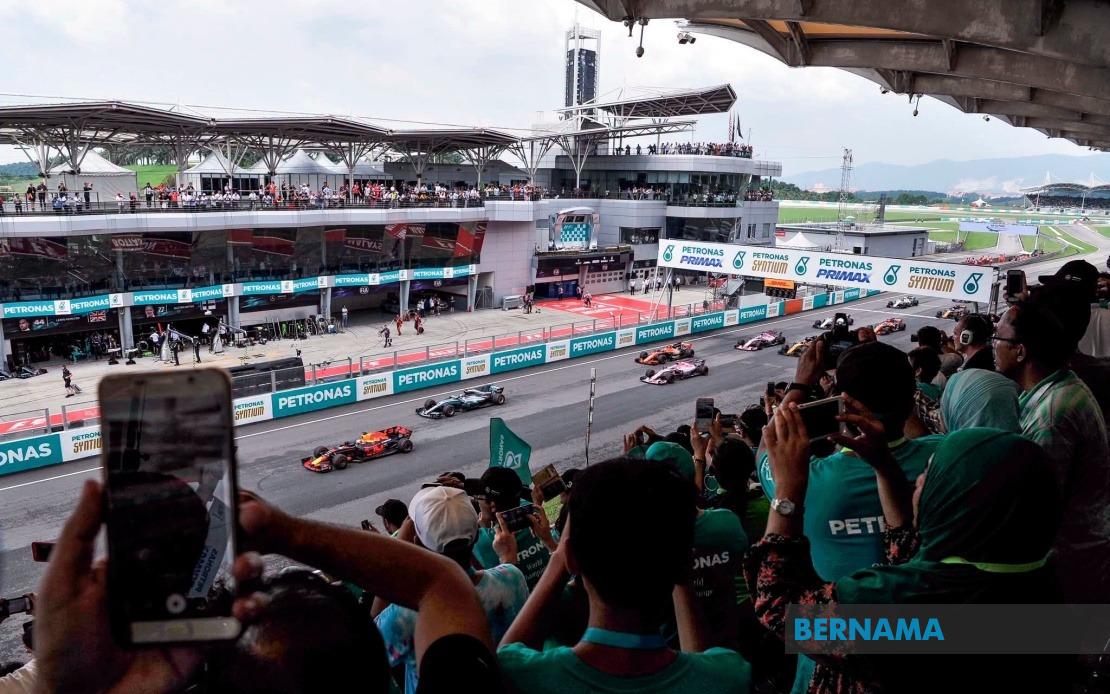
Prime Minister Datuk Seri Anwar Ibrahim has unveiled a new initiative to bring Formula 1 racing back within reach of ordinary Malaysians, announcing subsidised tickets priced from as low as RM200 exclusively for MyKad holders attending the Gulf Air Bahrain Grand Prix scheduled for October at Sepang International Circuit. The announcement marks a significant effort by the government to make the prestigious motorsport event accessible to a broader audience, reversing years of exclusivity that had characterised F1 racing in the region.
The MADANI Tickets initiative emerged following weeks of deliberation between Malaysian and Bahraini authorities, representing a collaborative approach to enhance public engagement with the international sporting spectacle. These special tickets grant access to all three days of the racing event, from October 2 to 4, 2026, at a price point substantially lower than typical commercial offerings for Formula 1 fixtures. The government's decision reflects a commitment to democratising premium sporting experiences and countering the perception that world-class motorsport is exclusively for affluent spectators.
Sepang International Circuit is experiencing a significant renaissance after hosting Malaysia's Grand Prix consecutively from 1999 until 2017, when rising hosting costs and international licensing fees forced the country's withdrawal from the F1 calendar. The circuit had become one of Asia's premier racing venues during those eighteen years, establishing Malaysia as a serious contender in the global motorsport landscape and generating substantial economic benefits through tourism and international media exposure. The return of Formula 1 to Malaysian soil, albeit under a Bahraini flag, represents a major recovery for the Sepang facility and the wider motorsport ecosystem in the region.
The Bahrain Grand Prix was originally scheduled to take place at the Bahrain International Circuit in April 2026 but was relocated to Sepang following escalating geopolitical tensions in West Asia. This postponement and venue change created an unexpected opportunity for Malaysia to re-enter the Formula 1 calendar and reclaim its status as a major motorsport destination. The October timing allows for more favourable weather conditions at Sepang, where the cooler months present better racing circumstances compared to the intense heat of the Malaysian monsoon season.
The collaboration between Malaysia and Bahrain on this initiative underscores the potential for regional cooperation in hosting major international events despite complex diplomatic landscapes. Rather than allowing geopolitical complications to derail the grand prix entirely, both nations found pragmatic solutions that serve their mutual interests. For Malaysia, the arrangement provides an opportunity to leverage existing world-class infrastructure and expertise; for Bahrain, it offers a neutral, efficiently equipped alternative venue that meets Formula 1's stringent technical and safety requirements.
The introduction of MADANI Tickets represents a departure from conventional F1 ticketing models, which typically rely on premium pricing to maximise revenue and limit attendance to exclusive demographics. By subsidising access through government initiative, Malaysia is pursuing a sports diplomacy strategy that emphasises public participation and national pride in hosting international calibre events. This approach aligns with broader MADANI framework objectives, which prioritise inclusive economic benefits and equitable access to opportunities for ordinary citizens.
Sepang International Circuit management will oversee distribution and logistical details for the MADANI Tickets, with further specifics to be announced in coming weeks. The circuit's operational capacity, crowd management infrastructure, and ticketing systems will need to accommodate what officials hope will be significantly higher public attendance than typical F1 events. The venue's experience from nearly two decades of hosting Malaysian Grands Prix positions it well to manage such large-scale operations, though organisers will need to balance accessibility goals with safety and operational requirements.
The economic implications of bringing Formula 1 back to Sepang extend well beyond ticket sales. The three-day event will stimulate demand across hospitality, transportation, retail, and food service sectors across the Klang Valley and surrounding regions. International media presence at the grand prix will generate valuable global publicity for Malaysia's capabilities as an event host, potentially influencing decisions regarding future major international sporting and cultural fixtures. Local businesses, particularly those in the circuit vicinity, anticipate significant revenue opportunities from international visitors and domestic enthusiasts travelling to the event.
For Formula 1 fans across Southeast Asia, the return of racing to Malaysia carries symbolic weight beyond the sporting competition itself. The calendar gap of nine years represented a lost decade of regional motorsport development and talent cultivation. The return event provides momentum for expanding F1's footprint in Asia and demonstrating that Malaysian facilities and expertise remain competitive at the highest international levels. Younger generations of Malaysian motorsport enthusiasts will have the opportunity to experience world-class racing without international travel, potentially inspiring future participation in motorsport careers and technical fields.
The MADANI Tickets initiative also addresses legitimate concerns about accessibility that have long plagued Formula 1 fandom in developing markets. Premium pricing for grand prix attendance has historically concentrated viewership among wealthy demographics, creating perception of F1 as an elitist pursuit disconnected from broader society. By deliberately pricing entry points at RM200, the Malaysian government signals that major international sporting events should enhance national identity and unity rather than serve exclusively affluent segments. This philosophy, if sustained across future major events, could establish Malaysia as an innovator in democratic sports accessibility.

