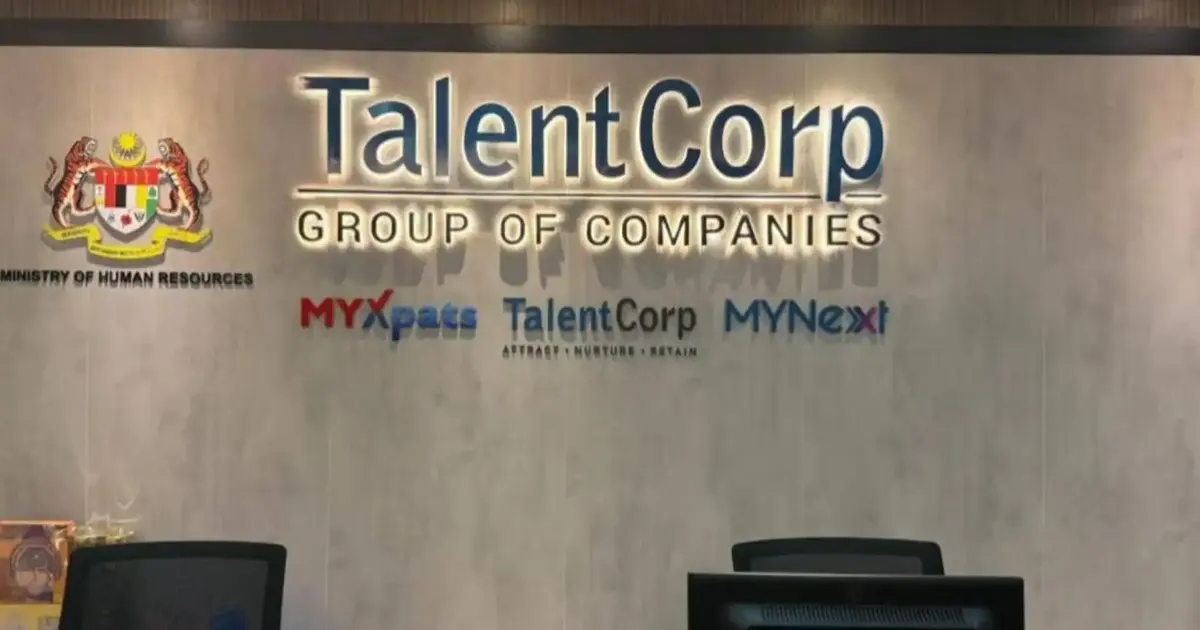
Prime Minister Anwar Ibrahim has directed the human resources ministry to undertake a thorough examination of TalentCorp's application procedures, signalling heightened attention to how Malaysia attracts and retains skilled professionals from its diaspora. Communications Minister Fahmi Fadzil announced the review on behalf of the Prime Minister, indicating that the government views the current system as requiring modernisation to better serve the nation's talent acquisition goals.
The directive places particular emphasis on simplifying pathways for returning doctors and medical specialists, a sector where Malaysia faces persistent shortages despite growing healthcare demands. The review reflects recognition that bureaucratic friction in recruitment processes may discourage qualified professionals abroad from considering homeward relocation. By targeting the medical profession specifically, the government acknowledges both the critical nature of healthcare infrastructure and the competitive pressure from other nations seeking to recruit Malaysian-trained physicians who have established careers overseas.
TalentCorp, Malaysia's central talent agency operating under the purview of the Prime Minister's Department, has historically served as the institutional mechanism for attracting returning professionals and attracting global talent. The corporation maintains databases of diaspora members, coordinates with employers, and manages incentive schemes designed to make Malaysia an appealing destination relative to other countries. However, the Prime Minister's order suggests that current protocols may contain unnecessary complications that create barriers rather than facilitate smooth engagement.
The decision to elevate this review to Cabinet level underscores the political priority assigned to diaspora engagement within the current administration. Rather than delegating the matter to junior ministry officials, the directive ensures that recommendations will receive senior-level scrutiny and decision-making authority. This administrative structure indicates the government's intent to implement substantive changes rather than merely cosmetic adjustments to existing frameworks.
For the medical sector specifically, the review emerges amid broader healthcare workforce challenges. Malaysian hospitals have contended with consultant shortages, extended waiting times, and recruitment difficulties that reflect both emigration of trained practitioners and demographic pressures on the healthcare system. Attracting diaspora doctors would provide immediate access to experienced professionals without requiring the lengthy training pipelines necessary to develop new graduates. The application process review therefore addresses a practical workforce challenge with direct implications for patient care and hospital capacity.
The Malaysian diaspora represents a substantial asset often underutilised by policymakers. Millions of Malaysians work and reside abroad, including significant concentrations in professional sectors such as medicine, engineering, finance, and technology. These individuals possess both technical expertise and networks within their respective industries, yet institutional barriers sometimes hinder their contributions to Malaysia's development. Streamlining pathways for their return or engagement signals a shift toward viewing diaspora members as strategic resources rather than as citizens who have opted out of national development.
The timing of this review reflects evolving regional dynamics in competition for talent. Singapore, Australia, and Gulf Cooperation Council nations have implemented sophisticated recruitment strategies targeting Asian professionals, including Malaysians. These jurisdictions offer competitive compensation, clear visa pathways, and professional recognition frameworks that facilitate career progression. Without responsive adjustments to Malaysian procedures, the nation risks losing skilled professionals to jurisdictions with more efficient onboarding systems.
The human resources ministry's forthcoming report to Cabinet will likely examine multiple dimensions of the application architecture. These may include documentation requirements, processing timelines, interview procedures, employer coordination mechanisms, and post-return support services. The review should also address digital infrastructure enabling remote applications, reducing the necessity for overseas applicants to navigate complex processes from abroad. Modern recruitment systems increasingly rely on online platforms, artificial intelligence for preliminary screening, and virtual engagement mechanisms that accelerate decision-making.
Beyond procedural efficiency, the review presents an opportunity to examine the substantive incentives available to returning professionals. These may encompass tax arrangements, housing support, professional recognition procedures, and family relocation assistance. Comparative international analysis reveals that peer nations offer comprehensive packages that address not merely employment conditions but the broader logistical and social challenges accompanying relocation. Malaysia's competitiveness in talent attraction depends equally on procedural simplicity and attractive conditions surrounding return.
The review also carries implications for Malaysia's positioning within regional and global professional networks. When diaspora professionals encounter streamlined, respectful engagement processes, they communicate positive experiences through networks extending far beyond immediate recruitment contexts. Conversely, cumbersome procedures generate negative feedback that discourages peer consideration of return. The quality of institutional interactions shapes reputational capital affecting long-term talent flows.
For the healthcare sector particularly, successful attraction of diaspora doctors could catalyse broader improvements in medical services. Returning specialists often bring international best practices, contemporary clinical knowledge, and institutional networks that strengthen entire healthcare systems. Their engagement extends beyond filling numerical shortages to upgrading the quality of care available to Malaysian patients. This multiplier effect justifies the Cabinet-level attention devoted to streamlining recruitment procedures.
The coming weeks will determine whether this review translates into meaningful institutional reform or remains largely symbolic. The human resources ministry's engagement with TalentCorp will require genuine examination of obstacles confronting applicants, technical capacity for implementation of recommendations, and sustainable funding for improved systems. Successful outcome hinges on whether subsequent Cabinet decisions authorise necessary resource allocation and regulatory modifications.

