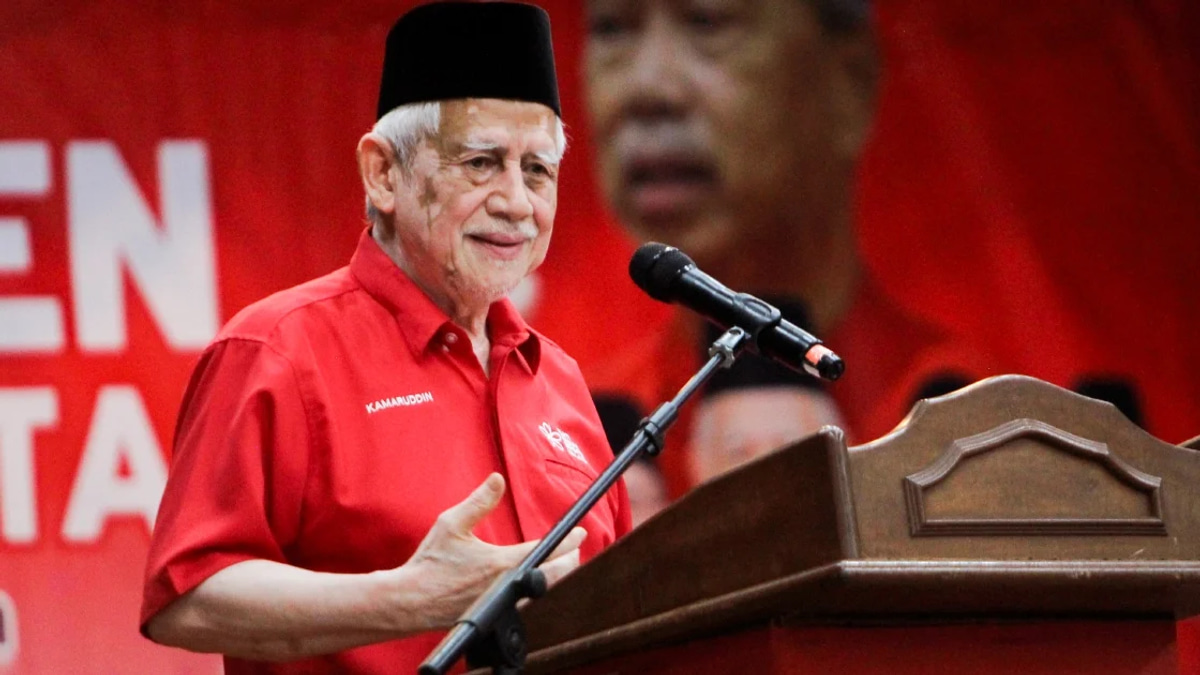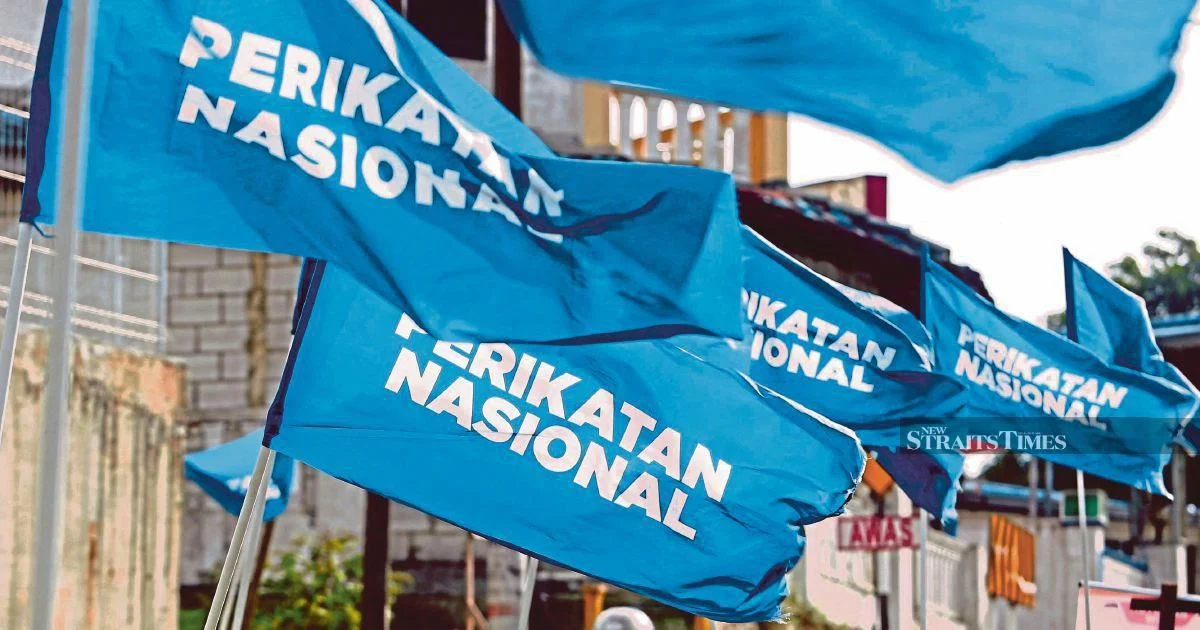
Growing divisions within Perikatan Nasional surfaced publicly yesterday when PAS questioned Bersatu's right to deploy the coalition's logo without explicit approval from the PN chairman ahead of electoral contests in Johor and Negri Sembilan. The challenge from PAS leadership represents the latest manifestation of internal discord that has plagued the umbrella opposition grouping, highlighting fundamental disagreements over governance protocols and decision-making authority within the alliance structure.
The controversy stems from apparent uncertainty regarding which party officials or bodies hold legitimate authority to authorize the use of PN's shared branding assets. PAS leadership indicated that such consequential decisions fall squarely within the purview of the coalition chairman, suggesting that any deployment of the logo without documented approval from this office would constitute a breach of the coalition's governing framework. This assertion raises questions about whether adequate institutional controls and clear lines of accountability exist within PN's operational systems.
The timing of this dispute carries particular significance given the immediate electoral calendar. Johor and Negri Sembilan represent consecutive battlegrounds where PN's organizational coherence will be tested directly in campaign environments. For voters in these states, the visibility of coalition divisions during the lead-up to polling day may influence perceptions of PN's preparedness and unity of purpose. Campaign efficiency often depends on seamless coordination of branded materials and messaging, which presupposes resolution of such fundamental procedural questions well before nominations commence.
Bersatu's position in these dynamics reflects its distinctive standing within PN's architecture. As a relative newcomer to the coalition compared to established partners like PAS and more recent additions, Bersatu operates within a complex negotiation of status, influence, and prerogatives. Any action perceived as unilateral assertion of autonomy regarding coalition assets potentially triggers sensitivities about power distribution and equitable treatment among member parties. This suggests the logo dispute may be symptomatic of deeper disagreements about how the coalition should function and who should wield authority over its institutional apparatus.
For PAS, particularly as the coalition's strongest individual party in terms of state-level representation, the assertion of tight control over logo authorization may reflect concerns about maintaining influence over coalition messaging and direction. By insisting on chairman-level approval, PAS essentially ensures it retains gatekeeping authority over how the collective brand is deployed. This approach underscores the reality that coalition politics in Malaysia involves constant negotiation over procedure and authority, with seemingly technical questions carrying substantial political weight.
The Malaysian political landscape has witnessed previous coalitions encounter similar organizational challenges. The evolution of Barisan Nasional and Pakatan Harapan both involved periodic disputes over resource allocation, decision-making protocols, and the scope of autonomy individual parties should exercise. Perikatan Nasional's relative youth as a formal coalition means it lacks established institutional precedents that might have prevented such disputes from arising in the first place. Without clearly codified procedures approved and accepted by all members, ambiguity over authority naturally emerges when novel situations require practical decisions.
The implications extend beyond procedural technicalities to touch on voter perception and campaign effectiveness. Voters observing coalition members publicly disputing organizational authority may interpret such disputes as indicators of structural weakness or internal ideological divides. In competitive electoral contests, especially in key states like Johor with substantial voting populations, the appearance of disunity could translate into tangible disadvantage relative to cohesive alternative political groupings. Campaign momentum often builds from perceptions of organizational strength and internal harmony, both of which PN's public disagreements may undermine.
Regional observers note that Southeast Asian opposition coalitions frequently struggle with comparable challenges. The ability to maintain sufficient internal discipline while accommodating diverse member interests represents an enduring tension in multi-party alliances. Perikatan Nasional's experience in managing this balance will likely shape its long-term viability as a political force. Should the coalition prove unable to establish functioning institutional mechanisms for resolving such disputes rapidly and discreetly, repeated public conflicts could gradually erode its attractiveness to both members and potential electoral supporters.
The resolution of this specific dispute will signal important information about PN's governance capacity. Should the coalition establish definitive procedures for logo usage and enforce them consistently across member parties, this would demonstrate institutional maturity. Conversely, if disputes recur frequently or are resolved through ad-hoc political negotiation rather than established procedure, this would suggest structural vulnerabilities that may surface more dramatically during periods of electoral stress or disagreement over substantive policy matters.
Moving forward, the coalition's leadership faces pressure to clarify governance protocols and distribute authority in ways all members find legitimate. The Johor and Negri Sembilan elections provide a near-term test of whether PN can resolve this dispute constructively and field coordinated campaigns. How the coalition's institutional arrangements and decision-making processes function during these contests will offer crucial insights into its readiness for larger electoral contests and its capacity to operate as a credible governing alternative.