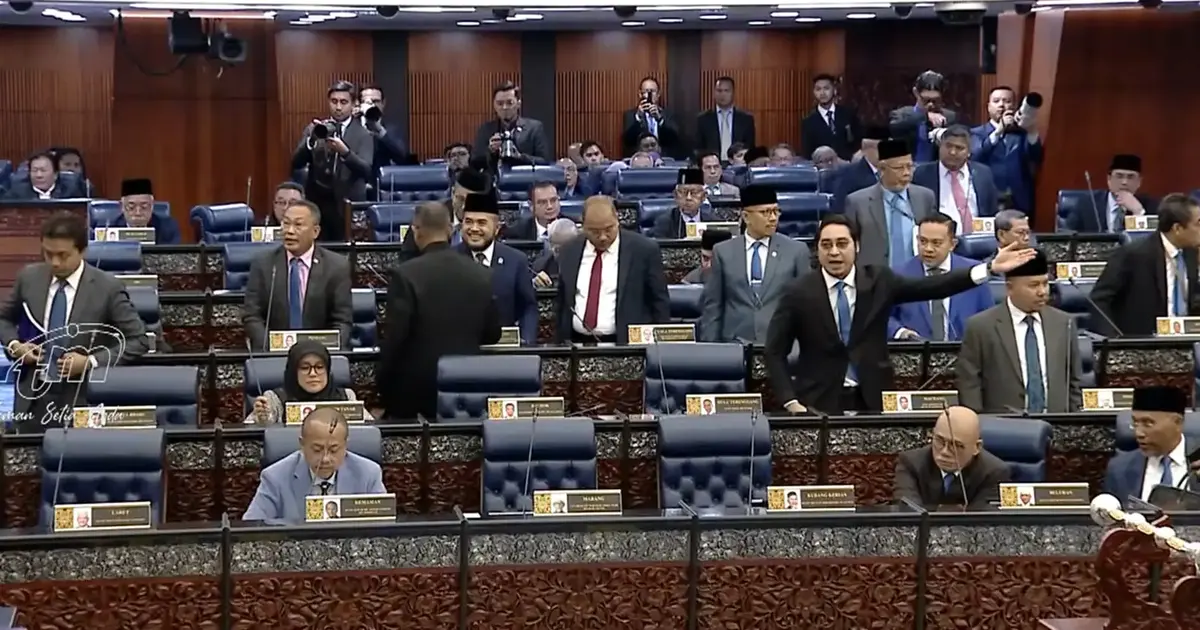
Perikatan Nasional parliamentarians staged a dramatic walkout from the Dewan Rakyat on Wednesday after the Speaker rejected their proposal to delay a special sitting until the prime minister could be present for the proceedings. The opposition bloc had sought to adjourn the session, arguing that the absence of Malaysia's chief executive undermined the importance and legitimacy of parliamentary business. However, the Speaker proceeded with the day's agenda, prompting the coordinated exit of PN MPs in protest against what they characterised as a procedural irregularity.
The core dispute centred on parliamentary protocol and the optics of conducting sensitive legislative matters without the prime minister in attendance. PN's position reflected a broader concern about the gravity of the matters being discussed and the symbolic significance of the nation's chief executive being absent during major parliamentary debates. Coalition representatives maintained that the timing of the special sitting was inappropriate given the circumstances, though they stopped short of publicly detailing the specific agenda items that necessitated the PM's presence.
Bersatu, despite being formally aligned with Perikatan Nasional within the broader opposition coalition architecture, declined to join the walkout. This decision highlighted fractures within the opposition alliance and suggested divergent strategic calculations among component parties regarding how aggressively to challenge government procedural decisions. The Bersatu leadership's restraint contrasted sharply with the more confrontational posture adopted by other PN members, raising questions about the durability and internal cohesion of the opposition grouping heading into potential future parliamentary confrontations.
The incident underscored persistent tensions between the government and opposition benches over parliamentary management and scheduling. These disputes often carry implications beyond the immediate legislative agenda, reflecting deeper disagreements about governance, transparency, and the role of parliamentary scrutiny in Malaysia's political system. For Malaysian observers, the episode demonstrates how procedural disagreements can escalate into visible confrontations that dominate the political narrative and overshadow substantive policy discussions.
The Speaker's decision to proceed without delay indicated the government's determination to maintain control over the parliamentary calendar and resist what it may have viewed as dilatory tactics by the opposition. This approach prioritises administrative efficiency but risks inflaming perceptions of unilateral government decision-making that doesn't adequately consult or accommodate opposition concerns about procedure and decorum. The tension reflects longstanding debates within Malaysian parliamentary practice about the balance between executive prerogative and legislative independence.
For regional observers, the walkout illustrates how opposition coalitions in Southeast Asia often struggle to maintain unified messaging and coordinated action on procedural matters. The defection of Bersatu from the PN protest suggests that opposition alliances remain fragile and susceptible to internal disagreements over tactical questions. This fragmentation could have implications for the opposition's ability to mount effective challenges to government initiatives in future parliamentary sessions, particularly on contentious matters requiring disciplined bloc voting.
The absence of the prime minister during a special parliamentary sitting is unusual enough to warrant deliberate explanation by the government, particularly given PN's willingness to contest the schedule publicly. Whether the PM was engaged in essential state business or whether the timing reflected administrative scheduling choices remains unclear, but the controversy suggests that better communication and advance coordination between the government and opposition leadership regarding parliamentary schedules could prevent such confrontations.
The walkout also raises questions about the effectiveness of parliamentary protest tactics in contemporary Malaysian politics. While the coordinated exit demonstrated PN's capacity to mobilise its members around a collective grievance, the actual impact on government business proved minimal—the sitting proceeded regardless. This raises strategic questions for the opposition about whether dramatic gestures of protest translate into meaningful political gains or whether alternative approaches to questioning government decisions might prove more effective in influencing policy outcomes.
Looking ahead, the incident may influence how future special parliamentary sittings are scheduled and whether government and opposition leadership establish clearer protocols for advance notice and consultation. The public controversy generated by the walkout underscores that parliamentary management is inherently political in Malaysia, with decisions about sitting schedules carrying symbolic weight that extends far beyond administrative convenience. Building consensus around parliamentary procedures remains an ongoing challenge for Malaysian democracy.
The episode also reflects broader questions about the maturity and functionality of Malaysia's parliamentary institutions. Democracies typically develop conventions and informal understandings that allow government and opposition to conduct business even during periods of political tension. The need for the Speaker to enforce attendance against the opposition's procedural objections suggests that such conventions remain underdeveloped or insufficiently respected, with significant implications for parliamentary stability and the quality of legislative oversight in Malaysia.

