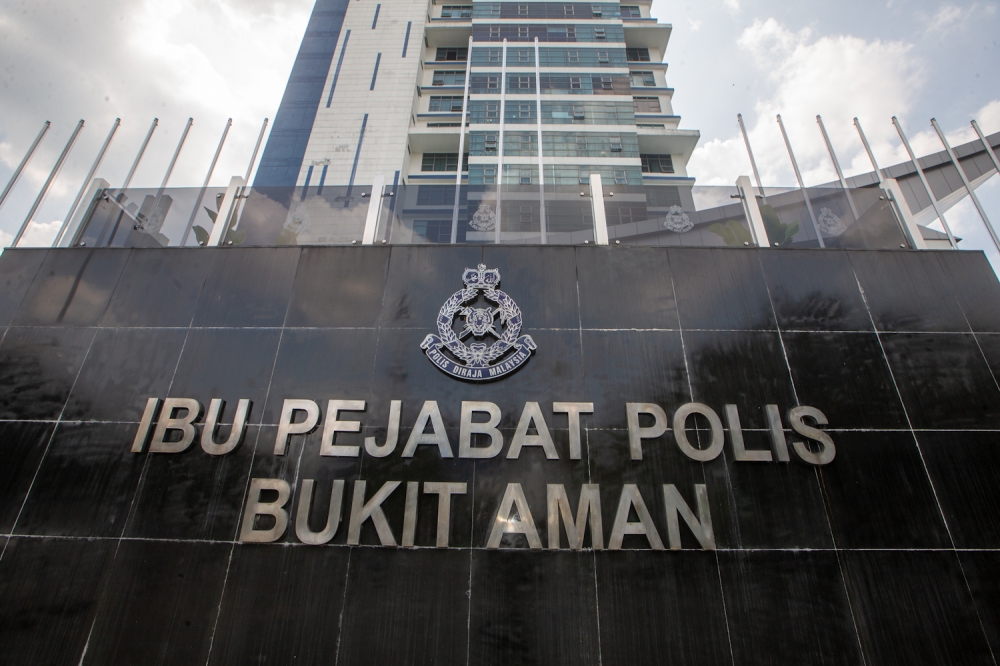
The Royal Malaysian Police headquarters at Bukit Aman is working to establish the facts surrounding the detention of a Malaysian airline pilot caught with drugs at Soekarno-Hatta International Airport in Jakarta. Authorities here are maintaining contact with their Indonesian counterparts to obtain comprehensive information about the circumstances that led to the arrest and the substances involved. This development highlights the ongoing challenge posed by narcotics trafficking across major Southeast Asian transport hubs, where thousands of passengers transit daily.
The incident underscores the vulnerability of Malaysia's aviation sector to drug smuggling operations. Pilots represent a particularly sensitive category of transport workers given their access to international borders and minimal screening procedures compared to regular passengers. The fact that a commercial pilot could allegedly carry controlled substances through one of the region's busiest airports raises serious questions about security protocols and the vetting mechanisms employed by both airlines and airport authorities.
Bukit Aman's measured approach to seeking information from Jakarta reflects standard bilateral law enforcement cooperation in the region. The Royal Malaysian Police does not maintain direct jurisdiction over incidents occurring in Indonesian territory, making liaison with the Badan Reserse Kriminal, Indonesia's criminal investigation division, essential for understanding what transpired. Officials in Kuala Lumpur will need details about the identity of the individual, the nature and quantity of substances discovered, and any connections to organised crime networks operating across borders.
The timing and location of such arrests often reveal patterns in trafficking routes and methods. Jakarta's airport serves as a major regional hub connecting Malaysia to countries throughout Asia, making it a critical chokepoint for interdiction efforts. When arrests occur at international airports, they frequently signal shifts in smuggling tactics or indicate that criminal organisations are testing new supply routes. Intelligence sharing between Malaysian and Indonesian law enforcement becomes crucial in preventing future incidents and dismantling supply chains.
For Malaysian airlines and aviation companies, such incidents create reputational risks and operational challenges. The aviation industry already operates under strict international safety and security regulations established by the International Civil Aviation Organization. Any involvement by airline staff in drug trafficking invites greater scrutiny from regulators, potential increased boarding procedures, and damage to passenger confidence. Airlines may face pressure to implement more rigorous background checks and random testing protocols for flight crew, adding operational costs.
The broader context involves Malaysia's positioning as a transshipment hub for drugs moving between Southeast Asia and Australia, as well as to markets in North Asia. The country's strategic location, extensive port facilities, and relatively porous borders have made it attractive to trafficking organisations. While maritime smuggling remains the dominant method for large quantities, individual couriers using commercial aviation represent a persistent and difficult challenge for authorities.
Indonesian authorities have made significant strides in drug enforcement over recent years, and this arrest fits within their wider crackdown on narcotics. However, the sheer volume of passengers and crew members passing through Jakarta airport daily means that only a fraction of trafficking attempts are likely detected. The success rate of interdiction remains difficult to quantify, but experts suggest that detected cases represent merely the tip of a much larger problem. When a pilot is caught, it indicates either strong intelligence work by Indonesian officers or a failure in airline internal controls.
The investigation's outcome could have implications for Malaysian-Indonesian law enforcement cooperation more broadly. Both nations are signatories to regional counter-narcotics agreements and participate in joint task forces addressing trafficking. Information obtained from this case could feed into broader intelligence databases used by ASEAN member states to track drug smuggling methods and identify individuals or organisations involved in trafficking networks.
For Malaysian authorities, the incident serves as a reminder that complacency in aviation security remains a significant vulnerability. While the country has invested considerably in airport infrastructure and customs modernisation, the constant evolution of smuggling methods means that enforcement must remain vigilant and adaptive. Training programmes for aviation security personnel, intelligence sharing mechanisms, and cooperation with international partners all require sustained attention and resources.
The arrest also raises questions about whether the pilot was acting independently or as part of a larger operation. If the latter, the connections could extend into Malaysia's domestic aviation industry and potentially compromise other airports or airlines. Bukit Aman's investigation will likely focus on whether the individual had accomplices, whether drugs were destined for Malaysian markets or transiting through, and whether systematic corruption within airlines has been exploited by traffickers.

