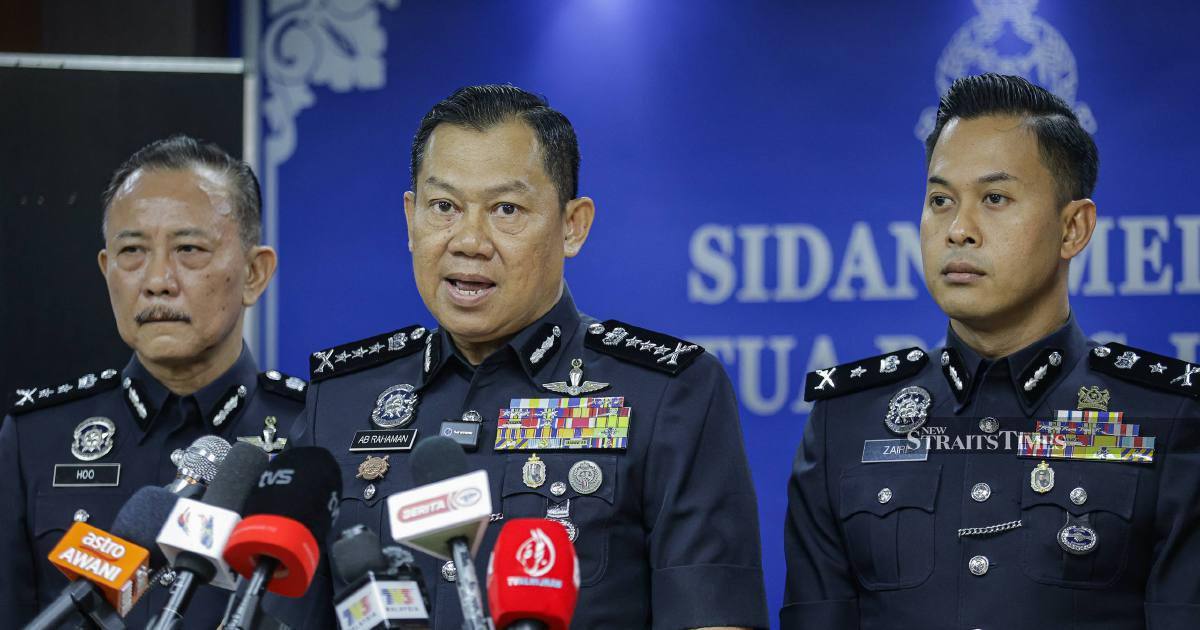
Investigations into the fatal motor collision that claimed the life of a 17-year-old girl have taken a significant turn, with Johor Baru police now detaining 13 individuals as they explore potential gang-related dimensions to the incident. The crash occurred at Lingkaran Bulatan Persiaran Indahpura 4 in Kulai on Tuesday, and the breadth of arrests suggests authorities are examining whether the tragedy stems from criminal network activity rather than a mere accident. Among those taken into custody is a 15-year-old girl, indicating that investigators suspect young people may have been drawn into circumstances that culminated in the teenager's death.
The decision to arrest such a substantial number of suspects reflects a law enforcement strategy to piece together the events leading up to the collision. When police cast nets this wide at an early investigative stage, it typically suggests they are attempting to reconstruct a sequence of events involving multiple parties. In contemporary Malaysia, the intersection of youth, vehicles, and organised crime represents an increasingly troubling phenomenon, particularly in urban and semi-urban areas like Kulai in the Johor Bahru vicinity. The involvement of a minor in custody raises immediate concerns about youth recruitment into criminal enterprises and the vulnerability of young people to gang influence.
Kulai, positioned within the Johor Bahru metropolitan region, has experienced its share of criminal incidents in recent years. The locality's development as an industrial and residential hub has brought increased traffic and population density, creating an environment where both legitimate commerce and illicit activities coexist. Traffic collisions involving suspected gang members have emerged as a category of concern for Malaysian law enforcement, as rivalries between criminal networks sometimes escalate into road violence. The precise nature of the gang connection in this case remains under investigation, but the police's explicit linkage suggests more than mere coincidence.
The death of a teenager in such circumstances carries profound implications for road safety discourse in Malaysia. Beyond the immediate tragedy for the victim's family, fatal crashes involving suspected criminal elements prompt urgent questions about whether gang violence is becoming normalised among young Malaysians. Previous incidents across the Klang Valley, Selangor, and other regions have documented instances where organised crime tensions manifested through vehicular confrontations, sometimes with fatal outcomes. The Kulai incident may represent a similar pattern or could involve distinct circumstances; investigators will need to establish whether the collision resulted from deliberate action, reckless conduct, or a tragic accident occurring amid a criminal situation.
The detention of multiple suspects allows police to conduct simultaneous interviews, cross-reference statements, and identify inconsistencies that might illuminate what occurred. In cases involving gang activity, cooperation among detainees is rarely forthcoming, placing considerable investigative burden on police to develop their own timeline through forensic evidence, vehicle examination, witness testimony, and communication records. The involvement of the 15-year-old girl in particular requires sensitive handling; while detained as a suspect or witness, authorities must balance investigative needs with child protection obligations under Malaysian law.
For parents and school administrators across Johor and beyond, such incidents amplify existing anxieties about youth safety. The presence of a teenage girl among those arrested signals that criminal networks do not restrict their involvement to adult offenders. Whether she played a direct role in circumstances leading to the crash, served as a passenger, or became involved through association with others remains to be clarified through investigation. Regardless, her detention underscores the challenge young people face in avoiding entanglement with criminal activity, whether through peer pressure, family connections, or predatory recruitment tactics employed by gang members.
The Johor police have provided limited public detail regarding the suspected gang affiliation of those detained, which is standard practice during active investigations. Releasing names, criminal histories, or gang identifications prematurely could compromise the investigation or prejudice legal proceedings. However, the explicit acknowledgment of a gang link in preliminary reports suggests authorities already possess sufficient intelligence to believe a criminal network connection warrants public disclosure. This transparency serves an important function, as it alerts communities to criminal activity occurring in their midst and may encourage additional witnesses to come forward with information.
The incident also touches on broader challenges facing Malaysian law enforcement in managing gang-related violence. Organised crime groups, some with decades of operational history and sophisticated structures, continue to recruit younger members to undertake increasingly dangerous activities. The use of vehicles in gang conflicts—whether for transportation, intimidation, or direct confrontation—represents an evolution in criminal tactics that poses unprecedented risks to innocent road users. A teenager killed in a crash potentially linked to gang activity becomes an indirect casualty of organised crime, even if she was not herself a gang member.
As investigations proceed, the pathology of the crash itself will provide crucial evidence. Forensic examination can determine whether the vehicle involved collided with another, struck a fixed object, or experienced mechanical failure. Eyewitness accounts will help establish road conditions, weather, and the sequence of events. Communication records from those detained may reveal patterns of coordination or confrontation preceding the incident. Toxicology results, if conducted, could indicate whether substances influenced the crash. Each of these investigative threads must be woven together to establish whether the teenager's death resulted from actions traceable to specific individuals or groups.
The case reflects a troubling intersection of youth vulnerability, criminal activity, and road safety that demands multifaceted responses from police, education authorities, and community leaders. For Malaysian road users, it serves as a sobering reminder that some traffic collisions mask darker criminal narratives. The detained suspects will remain in custody during investigation, with legal processes to follow if charges are recommended by prosecutors. The 17-year-old victim's family faces the prospect of funeral arrangements and the lasting grief of losing a child, compounded by the knowledge that criminal activity may have played a role in her death.

