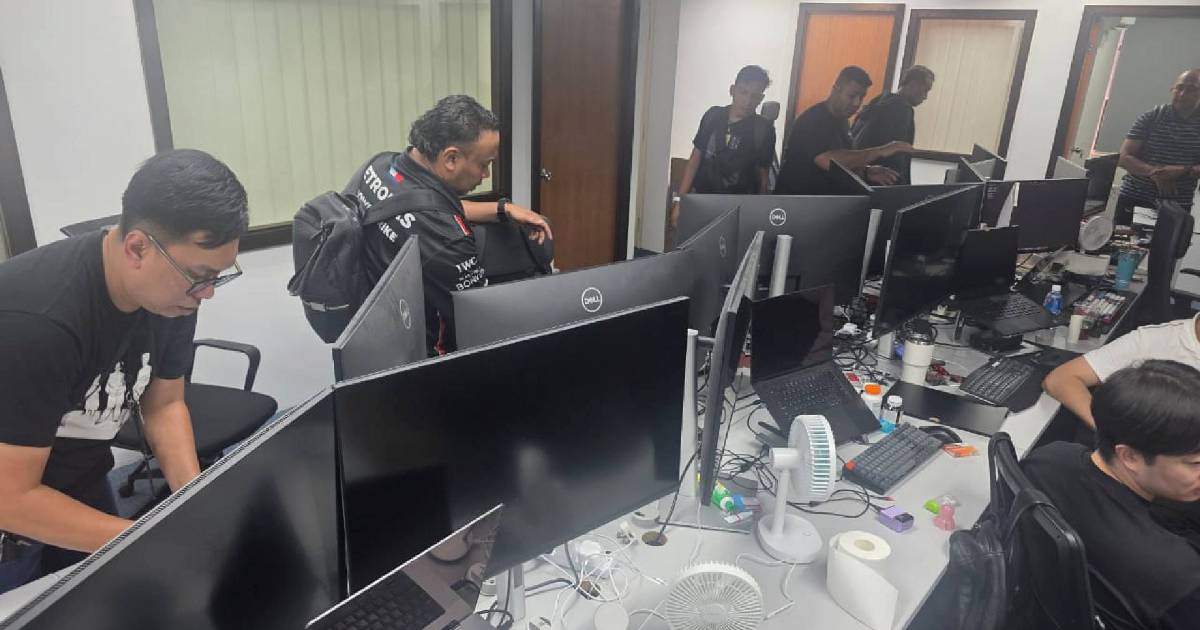
Malaysian police have successfully dismantled an illegal World Cup betting syndicate, apprehending 11 individuals including six South Korean nationals during a major operation at a commercial office building in Taman Desa, Brickfields. The enforcement action reflects heightened vigilance by authorities during major international football tournaments, when underground gambling operations typically intensify their activities across Southeast Asia.
The raid, conducted at the office premises, represents part of a broader crackdown on illegal gambling networks that have long plagued the region. World Cup tournaments serve as particularly attractive windows for illicit betting syndicates, drawing substantial underground capital and attracting transnational criminal networks seeking to exploit the heightened sporting interest and wagering appetite across Malaysia and neighbouring countries.
The involvement of South Korean nationals in this operation points to the increasingly international nature of underground gambling enterprises in Malaysia. Criminal groups from Northeast Asia have historically sought to establish and operate betting call centres in Southeast Asian jurisdictions, leveraging local infrastructure while targeting customers across multiple countries. The presence of foreign operators suggests sophisticated operational management and potentially significant financial turnover through the network.
The location in Taman Desa, an area with numerous commercial office buildings, highlights how illegal betting operations strategically position themselves in busy business districts where their activities may blend with legitimate commercial traffic. Operating from nondescript office spaces allows these syndicates to maintain low visibility while establishing communication infrastructure for coordinating bets with customers spread across multiple jurisdictions and time zones.
Betting call centres function as nerve centres for illegal gambling operations, where staff manage incoming bets from customers, coordinate with bookmakers, and handle financial transactions. These operations typically employ sophisticated telecommunications systems and internet infrastructure to reach customers across different countries, often exploiting regulatory gaps between jurisdictions. The call centre model enables operators to maintain distance from actual betting transactions while maintaining direct customer contact.
The timing of this operation during the World Cup period is significant, as major international sporting events create unprecedented demand for betting services. Criminal syndicates expand their operations precisely during these windows, recruiting additional staff and intensifying promotional efforts to attract new customers. The World Cup generates exceptional wagering volumes globally, making it an exceptionally profitable period for illegal operators willing to assume enforcement risks.
Malaysia's regulatory framework treats illegal gambling with increasing seriousness, reflecting concerns about organised crime links and money laundering risks associated with underground betting networks. Police operations targeting betting syndicates form part of comprehensive strategies to disrupt criminal enterprises that often have connections to broader organised crime activities, including loan sharking and debt collection operations that perpetuate cycles of financial victimisation.
The international composition of the arrested group underscores how global criminal networks operate across borders, establishing operations in countries perceived to offer operational advantages or enforcement challenges. Southeast Asian nations, including Malaysia, have become attractive locations for such syndicates due to their central geographic position, developed telecommunications infrastructure, and proximity to customer bases across the region. However, Malaysian authorities have demonstrated increasing capability in identifying and dismantling these networks.
The successful completion of this operation demonstrates coordination between investigative units and front-line enforcement personnel. Effective action against betting syndicates requires sustained intelligence gathering to identify operational locations, followed by carefully planned raids that prevent suspects from destroying evidence or fleeing jurisdiction. The capability to execute such operations reflects growing sophistication in Malaysian law enforcement approaches to cybercrime and organised gambling investigations.
Suspects detained in such operations typically face charges under gaming and gambling legislation, with penalties including substantial fines and potential imprisonment. Foreign nationals apprehended may face additional complications involving deportation proceedings and questions regarding visa status. These consequences serve as potential deterrents, though the persistent profitability of illegal betting continues attracting new operators despite enforcement risks.
The broader implications for Malaysia's regulatory environment point toward ongoing tensions between demand for betting services among sport enthusiasts and government policy restricting gambling. While licensed betting platforms like those operated by Magnum, Sports Toto, and Berjaya remain legal within Malaysia, numerous citizens seek alternative outlets through unlicensed operators offering potentially better odds or different betting formats. This regulatory gap continues fuelling underground market growth during major sporting events.
As Malaysia continues hosting international business activities and transit populations, authorities face persistent challenges maintaining effective border controls against organised gambling imports. The raid in Taman Desa represents one enforcement response among many needed to address systematic challenges posed by technologically sophisticated criminal enterprises operating across digital and physical boundaries. Sustained intelligence operations combined with international law enforcement cooperation offer the most promising approaches toward reducing illegal betting operations' market foothold.

