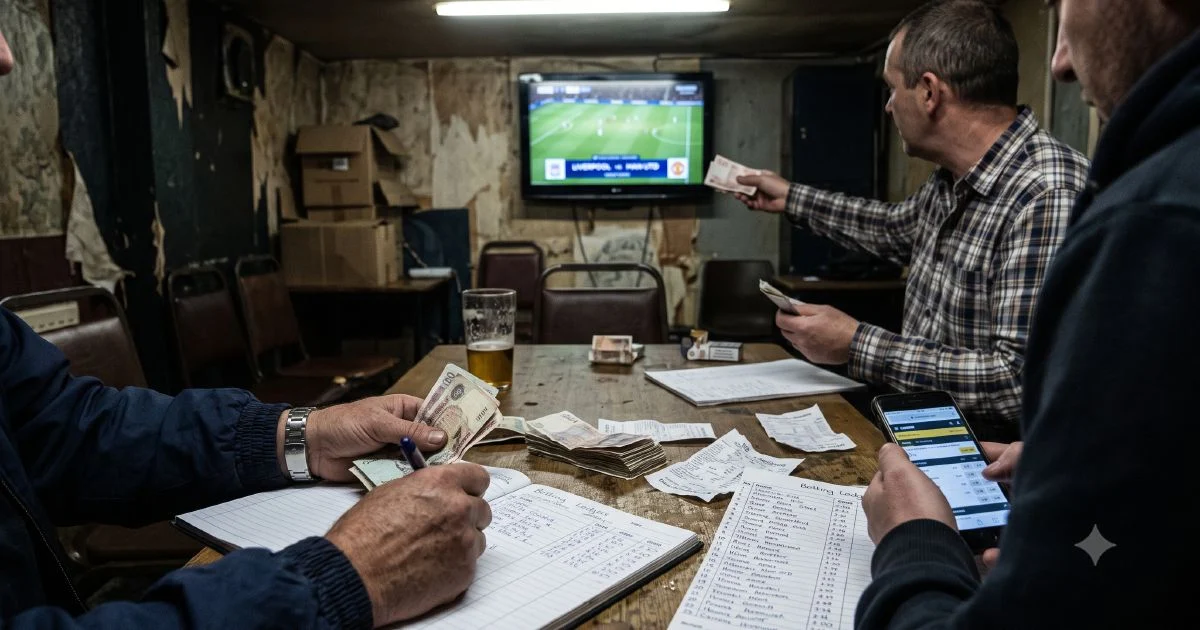
Malaysia's law enforcement agencies have intensified efforts to combat underground gambling operations, culminating in Operation Soga XI, which has successfully dismantled a significant illegal betting syndicate with countrywide reach. The coordinated nationwide sweep resulted in the detention of 331 suspects and the identification of betting transactions exceeding RM2.63 million, signalling both the scale of illicit wagering activity and the authorities' determination to stamp out unlicensed gambling ahead of the FIFA World Cup 2026.
The operation represents a strategic response to the surge in illegal sports betting that typically accompanies major international sporting events. As anticipation builds for the 2026 World Cup, criminal syndicates have been expanding their networks to capitalize on the heightened interest among Malaysian sports enthusiasts. By targeting these operations now, police aim to disrupt established criminal infrastructure before it can fully mobilize around match days, when betting volumes and associated money laundering activities would intensify dramatically.
Unlicensed gambling presents multifaceted challenges for Malaysian authorities beyond simple regulatory violations. The financial flows associated with these betting networks frequently intersect with organized crime, money laundering, and loan-sharking operations that prey on vulnerable communities. Many individuals arrested during such sweeps are not primarily gamblers but runners and operatives drawn into networks through debt or family connections, reflecting how these illicit enterprises exploit social vulnerabilities within Malaysia's diverse communities.
The scale of transactions uncovered—over RM2.63 million—provides insight into the sophisticated financial mechanisms employed by underground betting operators. These networks typically utilize multiple channels including encrypted messaging platforms, cryptocurrency transfers, and hawala-style money movement to obscure the trail of illicit funds. The fact that authorities were able to trace and quantify these transactions demonstrates improving capabilities within Malaysia's financial crime investigation units, though the sheer volume suggests considerable operational activity remains undetected.
For Malaysian bettors, the existence of these unlicensed operations reflects the gap between regulatory frameworks and market demand. While licensed betting through authorized operators like Magnum 4D and Sports Toto exists legally, many individuals are drawn to underground networks by factors including higher odds, credit-based wagering, and the ability to place bets on matches and markets not offered through legitimate channels. Understanding these demand drivers is crucial for policymakers considering whether current gambling regulations adequately address public preferences.
The timing of this operation ahead of the 2026 World Cup carries particular significance for Southeast Asian football fans. The tournament will be the first World Cup held in North America since 1994, presenting substantial scheduling challenges for Malaysian viewers across different time zones. The combination of inconvenient broadcast times and heightened global interest in World Cup betting creates fertile conditions for illegal operators to expand their customer bases, making proactive enforcement efforts essential.
Beyond immediate crime control, Operation Soga XI reflects broader regional trends in how Southeast Asian nations approach gambling regulation. While some countries in the region have explored regulated online betting frameworks, Malaysia has maintained relatively strict controls on all forms of sports wagering. This prohibition-based approach creates persistent black markets but also reflects cultural and religious considerations that remain central to Malaysian policymaking around gambling.
The arrested individuals span the operational hierarchy of these betting networks, from street-level agents collecting wagers to more senior operatives managing transaction flows. This comprehensive approach to arrests—targeting operators at all levels rather than merely prosecuting street-level agents—represents a more sophisticated enforcement strategy that addresses the structural vulnerabilities of these criminal networks. However, the revolving-door nature of low-level gambling arrests suggests that without disrupting upper-level criminal management, new operatives quickly fill vacated positions.
For financial institutions and payment service providers, Operation Soga XI underscores the importance of robust anti-money laundering monitoring. Illegal betting syndicates frequently exploit gaps in transaction monitoring by using multiple small transfers, casino purchases, or hawala networks to move funds below detection thresholds. Banks and fintech companies operating in Malaysia must maintain heightened vigilance during major sporting events when transaction volumes spike and detection becomes more challenging.
Looking forward, the success of this operation will be measured not merely by arrest numbers but by whether it disrupts betting network operations sufficiently to prevent rapid reconstitution before the 2026 World Cup. If illegal networks manage to re-establish themselves within months, as historical patterns suggest often occurs, the operation's long-term impact will be limited. Sustained enforcement combined with targeted community education about gambling harms would provide more durable results.
The operation also highlights the international dimension of sports betting enforcement. Many unlicensed Malaysian operators maintain banking relationships across Southeast Asia and utilize offshore hosting infrastructure in jurisdictions with minimal gambling regulation. Effective enforcement requires cooperation with regional law enforcement and international financial authorities—a capability that Malaysian agencies have been systematically developing but which remains constrained by resource limitations and jurisdictional complications.
For ordinary Malaysians, these enforcement actions serve as reminders that participation in illegal betting carries criminal penalties regardless of bet size or perceived legitimacy of the underlying sporting event. The distinction between socially accepted forms of gambling like 4D lotteries and criminalized sports betting remains a source of confusion for some bettors, creating inadvertent lawbreakers from individuals who might otherwise maintain distance from illegal activities.

