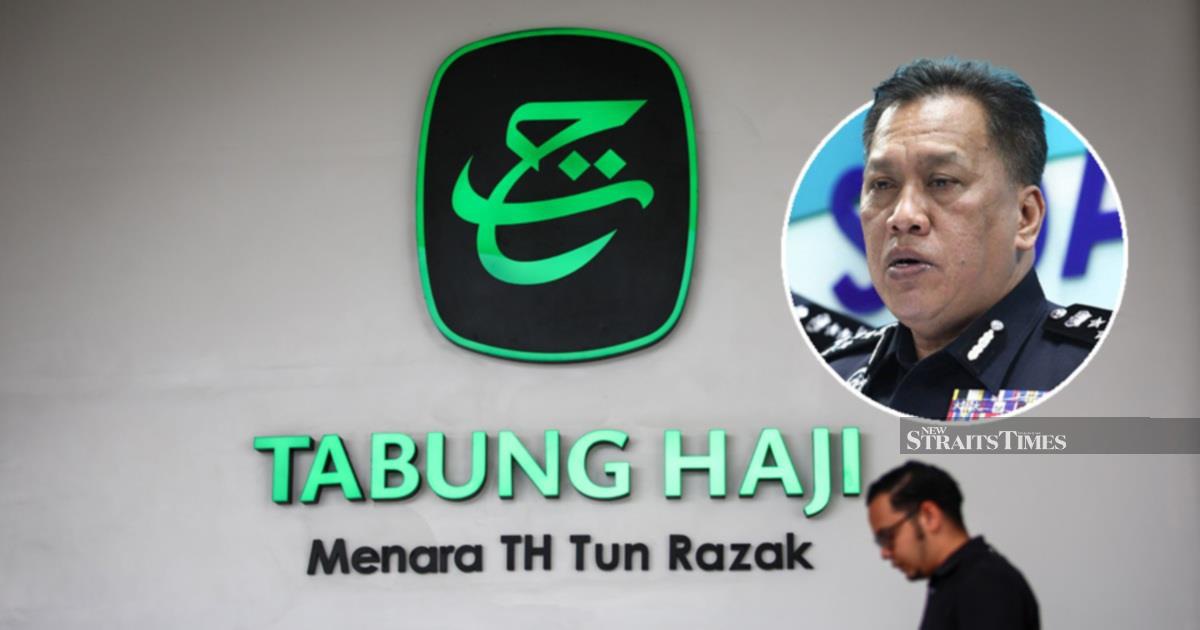
Police authorities in Malaysia have progressed their investigations into alleged misconduct at Lembaga Tabung Haji by recording statements from 134 witnesses, a figure that continues to expand as new leads emerge from the damning Royal Commission of Inquiry report that examined the Islamic pilgrimage fund's operations and governance failures.
The witness roster has grown to include ten individuals recently summoned for questioning, signalling that the investigation maintains momentum despite the complexity of examining financial irregularities and administrative lapses at an institution managing pilgrimage savings for hundreds of thousands of Malaysian Muslims. The systematic approach to evidence gathering suggests authorities are building a comprehensive record of events and decisions that precipitated the RCI's critical assessment of Tabung Haji's management.
The Royal Commission's inquiry into Lembaga Tabung Haji generated considerable national interest, as the organization holds substantial assets and plays a culturally significant role facilitating the Hajj pilgrimage for Muslim Malaysians. The body's findings highlighted structural weaknesses and governance concerns that prompted the police investigation, reflecting the seriousness with which authorities are treating the matter. For Malaysian Muslims who have contributed to Tabung Haji accounts—often considered mandatory savings for those undertaking the Hajj—the inquiry outcomes carried profound implications regarding the safety and management of their religious obligations and financial commitments.
The scale of witness questioning underscores the breadth of the investigation's scope, encompassing multiple levels of institutional hierarchy and external parties with knowledge of Tabung Haji's operations. By interviewing 134 individuals across various capacities, investigators are piecing together a detailed understanding of decision-making processes, financial transactions, and oversight mechanisms that either functioned inadequately or were deliberately circumvented. This methodical accumulation of testimony serves as the evidentiary foundation for any potential prosecutions or administrative actions that may follow.
The addition of ten new witnesses represents an important development in the investigation's progression. These individuals may possess firsthand knowledge of specific incidents, transactions, or management directives that earlier testimony suggested warranted deeper examination. In complex corporate and institutional investigations, such incremental additions to the witness pool typically occur as investigators identify gaps in their understanding or as new documentation surfaces requiring clarification from individuals directly involved in relevant events.
For Malaysian stakeholders with interests in institutional accountability and financial stewardship, the ongoing police investigation into Tabung Haji carries broader implications beyond the immediate organization. The probe demonstrates authorities' willingness to pursue comprehensive investigations into large institutions managing public funds, potentially influencing governance standards across other similar bodies in Southeast Asia's Islamic finance sector. How thoroughly and impartially these investigations proceed may set precedents affecting public confidence in governance oversight mechanisms regionally.
The investigation's progress occurs amid heightened public scrutiny regarding management of religiously significant institutions. Tabung Haji's prominence in Muslim Malaysian society means that outcomes from this inquiry will likely influence perceptions of institutional trustworthiness more broadly. Clear accountability for any wrongdoing identified in the RCI report becomes particularly important for maintaining public confidence in systems designed to facilitate religious observance while protecting contributors' financial interests.
As the witness statement phase continues, investigators must balance thoroughness with investigative pace. The 134 statements already recorded represent substantial documentation requiring analysis, cross-referencing, and verification against documentary evidence obtained from Tabung Haji and related organizations. Each additional witness adds complexity to the investigative picture, requiring careful coordination to ensure consistency and identify contradictions that might point toward deliberate concealment or deliberate misrepresentation of events.
The RCI report itself serves as the investigation's blueprint, having already identified areas of concern warranting police follow-up. However, police investigators typically pursue their own independent lines of inquiry, potentially uncovering evidence beyond the RCI's original mandate. This dual-track approach—combining the RCI's institutional findings with police's criminal investigative authority—represents a comprehensive mechanism for addressing both governance failures and potential criminal conduct at a single organization.
The ongoing investigation reflects Malaysia's commitment to addressing institutional accountability questions that emerged prominently in public discourse in recent years. Whether the police investigation ultimately leads to prosecutions, administrative disciplinary actions, or civil remedies remains undetermined, but the systematic accumulation of witness statements indicates that authorities are pursuing the matter with appropriate seriousness and methodical precision.

