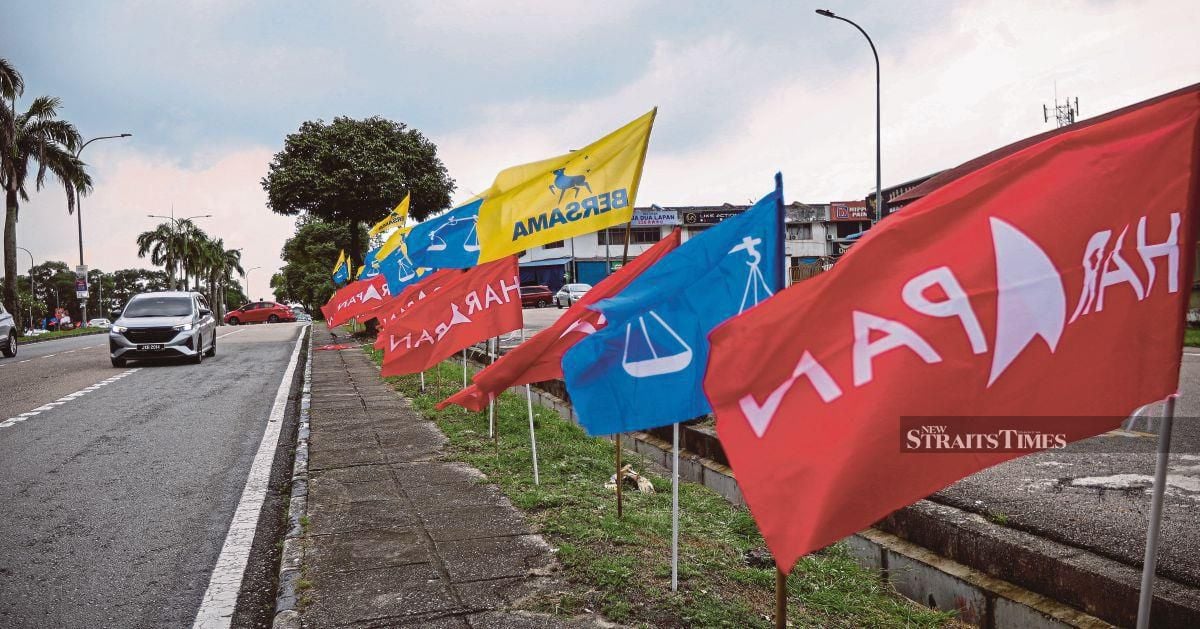
The Johor police have initiated 18 separate investigation papers in response to complaints lodged during the 16th state election campaign, which spanned from July 27 through the eve of polling day. The investigation caseload stems from a total of 56 reports that were filed with the police during this intensified electoral period, underlining ongoing compliance challenges in managing campaign conduct across the state's constituencies.
The opening of multiple investigation papers reflects the complex web of electoral regulations that govern campaign behaviour in Malaysia. These papers address alleged breaches that range from unauthorised campaign materials to violations of restrictions on election-day activities. Such offences fall under the purview of established electoral legislation designed to ensure fair competition and public confidence in the democratic process at the state level.
For Malaysian voters and political observers, the volume of reports and investigations indicates the scale of ground-level enforcement activity required to maintain electoral integrity. The 56 complaints received demonstrate that poll monitors, enforcement officers, and citizens remain vigilant about potential irregularities, though not all reports necessarily translate into substantive breaches or prosecutions. The discrepancy between reports filed and investigation papers opened suggests that police conduct preliminary assessments before committing to formal investigations.
Johor's electoral landscape has historically attracted significant political attention, given the state's importance as a traditional powerhouse in Malaysia's political matrix. The 16th state election campaign environment likely witnessed intensified activity from multiple political parties competing for legislative seats. Campaign periods are particularly sensitive phases when regulations around the use of public resources, distribution of campaign materials, and candidate conduct come under heightened scrutiny from various stakeholders and authorities.
The investigation framework now active in Johor reflects Malaysia's multi-layered approach to electoral oversight. Beyond police investigations, the Election Commission maintains parallel monitoring systems, and local authorities may also be involved in verifying compliance with specific regulations. This institutional architecture aims to distribute responsibility for electoral integrity across multiple agencies, though coordination between them remains an ongoing consideration for electoral reform discussions.
From a Southeast Asian perspective, Malaysia's approach to investigating campaign-period complaints sits within a broader regional context where electoral management varies considerably. Countries across ASEAN employ different mechanisms for receiving and processing election-related complaints, with some relying more heavily on police involvement than others. The Malaysian model's emphasis on police investigation papers provides a clear audit trail for potential prosecutions while also creating documented records of alleged violations.
The implications of these investigations extend beyond immediate enforcement. Political parties and candidates will likely review their campaign strategies and compliance procedures based on ongoing police activity. Training of campaign teams and clearer internal guidelines about permissible activities often follow periods of heightened investigation, creating a feedback loop that shapes future electoral conduct. For smaller parties and independent candidates, understanding which activities trigger investigations becomes crucial to avoiding unintended legal complications.
Community responses to election-related investigations also merit attention. The fact that 56 reports were filed suggests that voters, election monitors, and civil society organisations are engaged in actively reporting perceived breaches. This grassroots participation in electoral accountability can strengthen democratic institutions, though it also requires that investigating authorities handle complaints with consistency and transparency to maintain public trust in the process.
The 18 investigation papers represent formal engagement with alleged offences, but the investigation process itself typically involves evidence collection, witness interviews, and legal assessment before any charging decisions are made. This phase is critical because it determines whether alleged breaches constitute sufficient grounds for prosecution. Investigation quality and thoroughness directly influence subsequent outcomes in the electoral justice system.
Looking forward, the pattern of complaints and investigations during Johor's 16th state election campaign will likely inform discussions about electoral regulations and enforcement in future polling periods. Policymakers, election officials, and political stakeholders may examine whether existing rules adequately address emerging compliance challenges or whether regulatory frameworks require refinement. The investigation outcomes themselves will provide empirical data about which categories of offences are most commonly reported and most substantive.
For Malaysian citizens monitoring democratic health, the balance between rigorous enforcement and fair treatment of alleged offenders remains important. Elections occur within a political context where multiple actors have competing interests, and investigations must navigate this terrain impartially. Transparency in how investigations progress and how charges are eventually decided—if they materialise—reinforces public confidence that electoral rules apply equitably across all contestants.
The 18 investigation papers also underscore that campaign periods demand intensive administrative and enforcement capacity from police and election authorities. Adequate resourcing, clear coordination protocols, and ongoing training enable these institutions to respond effectively to the volume and complexity of complaints that emerge during heightened electoral activity. These operational considerations often receive less public attention than the investigations themselves, yet they fundamentally determine whether electoral oversight achieves its intended objectives.

