Authorities in Malaysia have initiated a formal investigation into the circumstances surrounding a death that occurred while an individual remained in custody, concurrent with allegations of physical abuse documented by the human rights monitoring organisation Suaram. The development underscores ongoing scrutiny of conditions within the Malaysian detention system and the treatment of individuals held in police and prison facilities.
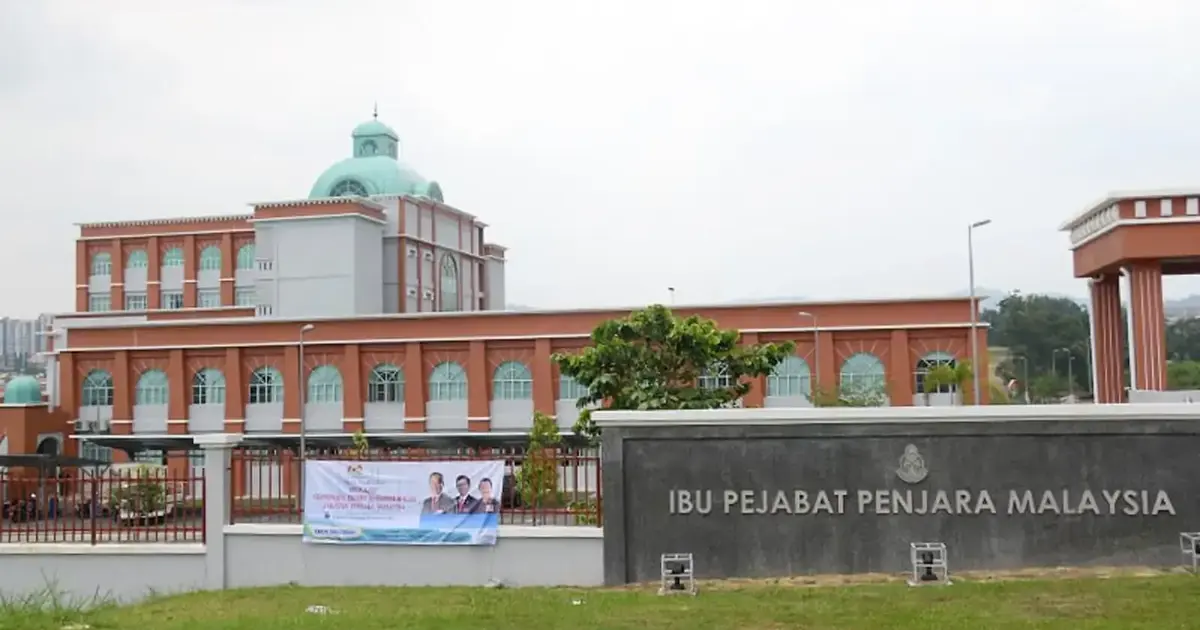
The Prisons Department has moved swiftly to address public concern by declaring its unreserved cooperation with law enforcement investigators examining the case. Officials have emphasised the department's commitment to transparency and its willingness to provide full access to records, facilities, and personnel relevant to the inquiry. This collaborative stance signals recognition of the gravity with which such incidents are treated within institutional frameworks, particularly when external organisations raise formal concerns about potential misconduct.
Suaram, a long-established civil society organisation with a track record of documenting allegations against state institutions, has brought forward claims regarding the treatment of the deceased individual whilst in state custody. The specifics of the abuse allegations and their relationship to the death remain under active investigation, with authorities yet to release comprehensive details about either the circumstances of the death or the nature of the allegations. This information gap has created space for public speculation, which officials have specifically urged the media and citizenry to avoid pending the completion of inquiries.
The convergence of custodial death and abuse allegations reflects wider international and domestic scrutiny of Malaysia's detention practices. Organisations monitoring human rights have periodically raised concerns about conditions within lock-ups and prisons, treatment of detainees, and mechanisms for accountability when individuals suffer harm whilst in state custody. Each incident that reaches public attention contributes to broader discussions about procedural safeguards, medical care accessibility, and oversight mechanisms within the system.
Investigations of this nature typically involve multiple agencies and can extend over considerable periods. Police will likely examine medical records, conduct autopsies if not already completed, interview witnesses and custodial staff, and review facility documentation. The Prisons Department's cooperation signals that such institutional access will not impede investigative progress, though the complexity of determining causality between detention conditions and death requires meticulous forensic and procedural examination.
For Malaysian observers and regional counterparts, such investigations carry significance beyond individual cases. They serve as indicators of institutional responsiveness to allegations, willingness to submit to external scrutiny, and the integrity of accountability mechanisms. How thoroughly investigations proceed, the transparency with which findings are communicated, and the consequences for any identified wrongdoing all contribute to public confidence in the system's capacity for self-correction.
The involvement of Suaram adds a particular dimension to the matter. The organisation operates within Malaysia's civil society space and has developed extensive documentation on detention-related issues over decades. Its decision to bring these specific allegations forward suggests they meet the organisation's evidentiary standards and represent patterns or practices warranting formal investigation. The convergence of an independent organisation's concerns with police initiative to investigate indicates the matter has gained sufficient prominence to demand institutional response.
For families of individuals in custody and broader public constituencies concerned with detention practices, the initiation of investigation provides a procedural avenue for accountability. However, the effectiveness of such mechanisms depends substantially on investigative rigour, institutional independence, and the translation of findings into concrete remedial action. Malaysian citizens and regional observers will monitor how thoroughly this inquiry proceeds and whether its conclusions generate meaningful reform or consequences.
The official request that the public and media refrain from speculation pending investigation completion reflects standard investigative protocols. Premature conclusions can prejudice inquiry integrity, compromise evidentiary standards, and complicate eventual legal proceedings if criminal culpability is established. Nevertheless, the call for restraint occurs within a context where transparency has historically been contested, making credible communication from authorities essential for maintaining public confidence.
Looking forward, the outcome of this investigation will likely influence perceptions of Malaysia's commitment to custodial accountability. Whether systemic failures, individual misconduct, or medical complications are identified, and how these findings translate into policy or procedural change, will signal institutional capacity to address documented concerns. For regional peers grappling with similar issues, Malaysia's handling of this matter may offer either instructive precedent or cautionary example.
The cooperation pledged by the Prisons Department and the investigation launched by police represent necessary procedural steps. Their real significance will emerge through subsequent months as investigators gather evidence, examine documentation, and develop conclusions. The manner in which this process unfolds and the accessibility of its findings will substantially determine whether the public perceives the investigation as meaningful accountability or institutional theatre.

