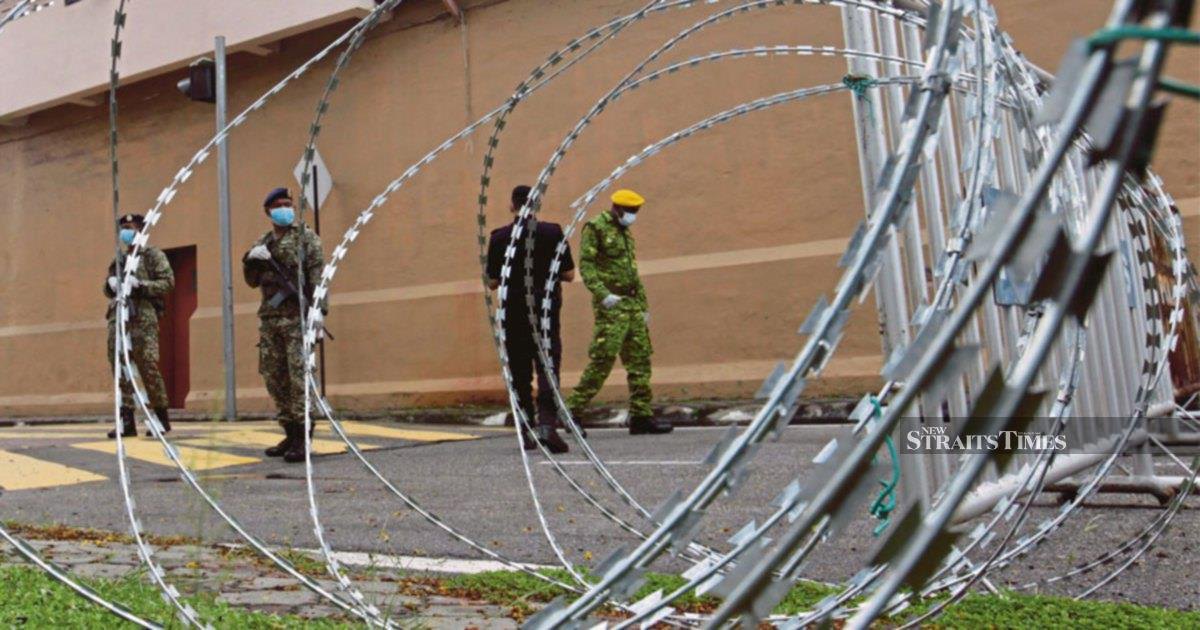
Authorities have opened a formal investigation into the circumstances surrounding an inmate's death at Temiang Prison in Negri Sembilan, while simultaneously examining allegations that another prisoner may have been subjected to improper treatment while in custody. The Prisons Department disclosed the dual inquiries on Tuesday, signalling heightened scrutiny of conditions and practices at the facility. The announcement underscores mounting concerns about custodial oversight in Malaysia's correctional system, particularly following previous incidents that have drawn public and parliamentary attention.
Temiang Prison, located in the state of Negri Sembilan, is one of Malaysia's significant detention facilities housing hundreds of inmates across various security classifications. The facility has operated under standard protocols aligned with the country's prison management framework, though like many institutions nationwide, it faces ongoing resource and capacity pressures. The facility's governance structure places responsibility for day-to-day operations and inmate welfare squarely on prison management, with oversight vested in the Prisons Department headquarters in Kuala Lumpur. The current investigation represents a formal shift toward external accountability following the alleged incidents.
The death of the inmate marks a particularly serious development that has prompted police involvement at a level beyond standard Prisons Department procedures. While specific details regarding the inmate's medical condition, circumstances of death, and timeline remain under investigation, such cases typically undergo multiple layers of examination including autopsy findings, witness statements, and institutional records review. The police investigation signals that preliminary findings or complaints suggested potential criminal dimensions warranting law enforcement involvement. Deaths in custody, regardless of cause, carry profound implications for institutional credibility and raise inevitable questions about preventive healthcare provision, emergency response protocols, and overall prisoner safety management.
Parallel to the death investigation, the second matter involving alleged improper treatment of another inmate adds another dimension to the facility's current predicament. Improper treatment allegations encompass a wide spectrum of potential violations, ranging from procedural irregularities in discipline administration to more serious concerns regarding physical handling or denial of fundamental rights. The Prisons Department's decision to disclose both matters simultaneously, rather than address them in isolation, suggests institutional recognition that systemic concerns may be at play rather than isolated incidents. This approach reflects contemporary prison management philosophy emphasising transparency and proactive identification of operational deficiencies.
The investigation's initiation represents a critical juncture for institutional reform at Temiang Prison and carries implications for Malaysia's broader custodial system. Previous inquiries into prison-related incidents have occasionally revealed gaps in training, inadequate supervision mechanisms, and inconsistent application of standard operating procedures. Authorities will likely examine staffing levels, guard training certifications, facility infrastructure conditions, and internal disciplinary mechanisms. The Prisons Department has historically acknowledged that maintaining consistent standards across numerous facilities presents operational challenges, particularly given the diversity of inmate populations and complex security requirements.
For Malaysian civil society organisations and human rights advocates, these developments provide an opportunity to reinforce demands for systemic improvements in prison governance. Organisations focusing on custodial justice have long advocated for independent oversight mechanisms, improved complaint procedures for inmates and their families, and enhanced training in de-escalation and appropriate force use among correctional personnel. The investigation outcomes could inform policy recommendations and inform broader conversations about Singapore and Southeast Asian prison standards. Regional peer countries such as Thailand and Indonesia have faced similar scrutiny, prompting comparative analysis of correction system effectiveness.
The incident underscores the vulnerability of incarcerated populations and institutional power dynamics that characterise all custodial settings. Inmates, by definition, occupy a position of profound dependence on institutional authorities for basic welfare including food, medical care, safety, and humane treatment. Mechanisms to report concerns, access independent medical evaluation, and lodge formal complaints often function inadequately within prison environments, creating conditions where mistreatment can persist undetected. The present investigation's outcome will significantly influence whether Temiang Prison is perceived as an isolated problem facility or symptomatic of systemic weaknesses requiring comprehensive intervention.
The Prisons Department has not yet released detailed findings, timelines, or anticipated completion dates for either investigation. Police typically require weeks to conduct thorough inquiries involving custody deaths, requiring coordination between forensic specialists, medical examiners, and investigative officers. The dual investigation may proceed through parallel pathways or become consolidated depending on findings. Interested parties including inmate families, advocacy organisations, and the affected inmate's legal representatives will monitor developments closely, particularly regarding transparency in investigation findings and any subsequent disciplinary or policy changes.
Institutional responses to such investigations typically include temporary procedural reviews, training refreshers for staff, and facility-wide audits of compliance with protocols. Depending on investigation conclusions, more substantial reforms could include management restructuring, selective personnel changes, infrastructure improvements, or comprehensive policy overhauls. The Prisons Department has previously demonstrated willingness to implement facility-level changes following critical incidents, though implementation consistency and sustainability remain ongoing challenges across Malaysia's correctional network.
Regional observers note that prison reform represents a persistent governance challenge throughout Southeast Asia, with Malaysia navigating competing pressures between security imperatives, resource constraints, and humanitarian obligations toward incarcerated populations. The Temiang Prison investigations will contribute to ongoing national conversations about custodial standards and appropriate corrective mechanisms. International standards established by bodies such as the United Nations provide benchmarks for acceptable prison conditions and treatment, against which Malaysian facilities are periodically assessed by oversight bodies and independent monitors. The investigation's findings and resulting institutional reforms will signal Malaysia's commitment to meeting such standards and protecting vulnerable populations within custodial environments.

