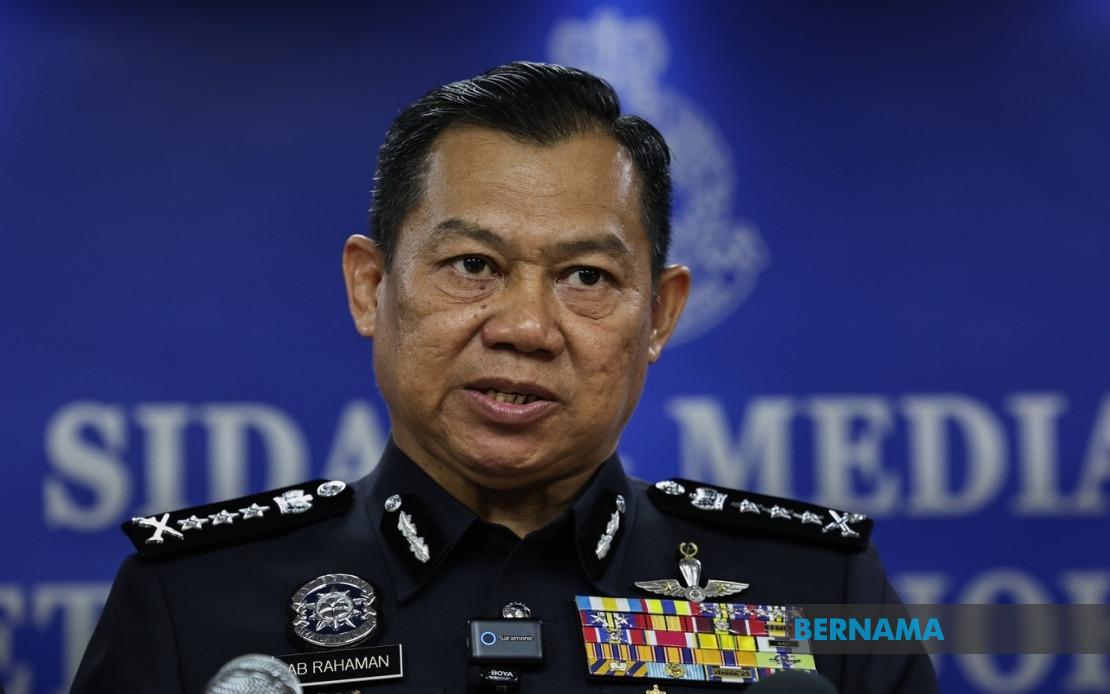
The Royal Malaysia Police will position nearly 12,000 officers and personnel across Johor to oversee security arrangements during the forthcoming state election. The comprehensive deployment strategy, spanning 11,926 personnel, represents a substantial commitment of law enforcement resources designed to guarantee the integrity of the democratic process and maintain public confidence throughout the ballot period. Johor Police Chief Datuk Ab Rahaman Arsad unveiled the operational blueprint during a briefing at the state police headquarters, emphasising that the police contingent remains committed to facilitating a secure and orderly electoral environment.
The security operation will unfold across five distinct phases, each calibrated to address specific requirements as the election progresses through critical junctures. Rather than implementing a fixed deployment model, police leadership has opted for flexibility in operational planning. This adaptive approach recognises that different stages of the electoral cycle—from early voting preparations through polling day and the subsequent counting period—demand varying levels of police presence and tactical positioning. The phased structure allows commanders to redeploy resources based on emerging operational requirements and situational developments on the ground.
Johor Police Chief Datuk Ab Rahaman Arsad stressed that manpower distribution will remain responsive to operational circumstances. This pragmatic stance reflects lessons learned from previous electoral exercises and acknowledges the dynamic nature of security challenges that can materialise unexpectedly. The command structure has built in capacity for rapid reallocation of personnel, ensuring that concentration of forces can be directed toward areas experiencing heightened tensions or logistical complications. Such flexibility in deployment planning demonstrates a mature understanding of crowd dynamics and potential pressure points within the electoral ecosystem.
Beyond the core contingent of state police officers, the security operation will be substantially reinforced through partnership arrangements with federal-level agencies. The Internal Security and Public Order Department (KDNKA) has mobilised additional support structures to bolster capacity for maintaining civil order. This inter-agency coordination brings specialised units into the operational framework, expanding the skill sets and tactical capabilities available to commanders. The collaboration represents a recognition that modern electoral security transcends traditional police boundaries and requires integration of diverse operational specialisms.
The reinforcement package incorporates 54 officers and 701 supporting personnel drawn from multiple federal agencies. The General Operations Force, traditionally deployed for complex security situations requiring enhanced training and tactical expertise, will contribute significantly to the effort. Similarly, the Federal Reserve Unit—an elite mobile force maintained for rapid response deployments—will augment state-level capabilities. These units bring experience in crowd management, public order maintenance, and response to emergencies, capabilities that prove invaluable during large-scale public gatherings inherent to electoral processes.
Airborne support will also feature prominently in the comprehensive security architecture. The PDRM Air Unit will provide aerial reconnaissance and rapid mobility capabilities, enabling police commanders to monitor large areas simultaneously and rapidly redeploy personnel to emerging hotspots. This technological dimension of the security operation enhances situational awareness and response times. Coupled with aerial surveillance capabilities, ground-based forces can operate with superior intelligence regarding crowd movements and potential flashpoints.
Marine policing resources have similarly been incorporated into the operational template. The Marine Police Force brings specialised capability for securing waterways and coastal areas, particularly relevant in Johor given the state's extensive maritime geography and port infrastructure. Ensuring security across these domains prevents potential smuggling of prohibited materials or illicit activities that could undermine the electoral environment. The maritime component reflects sophisticated understanding of the diverse operational environments encompassing modern security mandates.
The mobilisation of such substantial police resources underscores the seriousness with which Malaysian law enforcement authorities approach the conduct of state elections. The deployment level exceeds what might be required for routine public order maintenance, reflecting recognition that electoral exercises generate heightened community interest, concentrated crowds, and emotionally-charged interactions between political factions. Police preparation at this scale demonstrates institutional commitment to protecting both the logistics of voting and the safety of citizens participating in democratic processes.
For Malaysian voters and civil society observers, the visible police presence during elections carries symbolic weight beyond its practical security functions. A well-coordinated, professional police operation reassures citizens that their safety remains protected and that the democratic process enjoys institutional support. Conversely, inadequate security arrangements can undermine public confidence in both the electoral machinery and the wider democratic system. The police deployment strategy thus operates on multiple levels simultaneously—practical security provision, public reassurance, and institutional legitimacy.
The coordination between state police contingents and federal agencies reflects evolved understanding of security challenges in contemporary Malaysia. Electoral exercises increasingly attract scrutiny from diverse stakeholders, including international election observers, civil society monitors, and news media. Police operations must balance rigorous maintenance of order with respect for civil liberties and transparent conduct that withstands public and international scrutiny. The structured deployment approach, emphasising adaptation to operational requirements rather than rigid across-the-board presence, suggests a more calibrated approach to security management.
For businesses and ordinary citizens traversing Johor during the election period, the expanded police presence will likely create visible changes to the urban landscape and traffic management. Additional roadblocks, security screening points, and traffic diversions may inconvenience some road users, though police typically coordinate with relevant authorities to minimise disruption while maintaining necessary security measures. The public has typically demonstrated understanding of these temporary arrangements as inevitable accompaniments to major electoral exercises.
The deployment timeline and phased activation remain subject to finalisation by police commanders as election dates crystallise and operational planning progresses. As with previous elections, police will likely issue public advisories regarding traffic flow, recommended routes avoiding polling locations, and general conduct expectations during the electoral period. Coordination between police, election commission authorities, and local government will determine the precise choreography of the security operation across Johor's diverse geography.