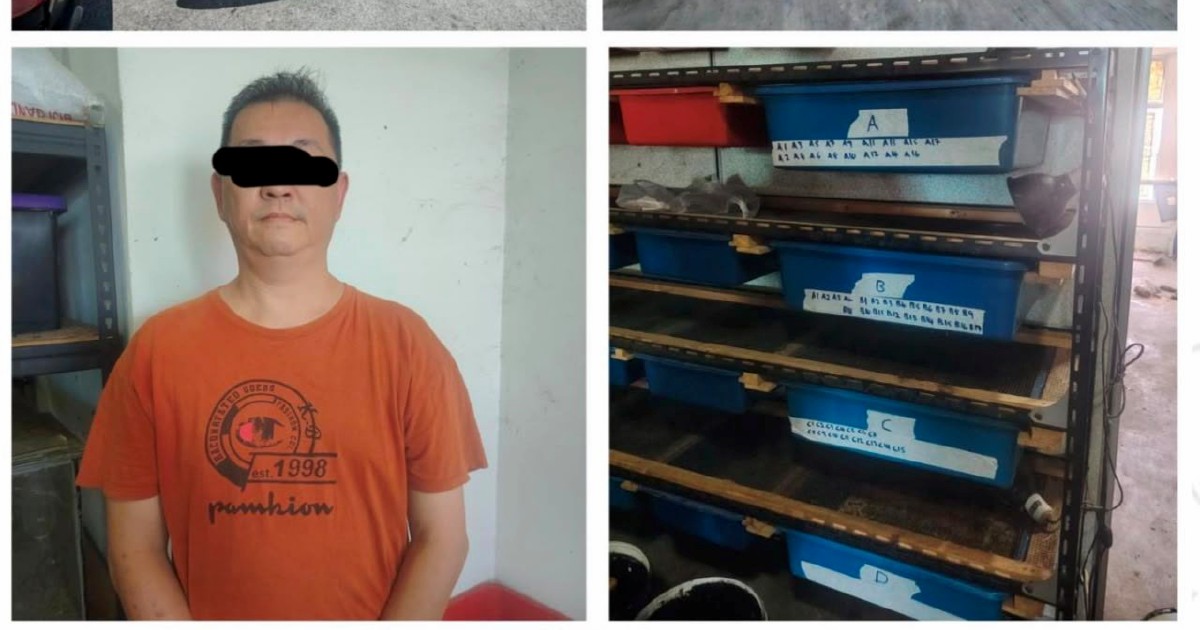
Authorities in Kedah have dismantled an illegal wildlife operation following coordinated enforcement raids that resulted in the recovery of 89 protected reptiles and the arrest of a suspect. The operation, conducted across two separate locations in the Lunas and Kulim areas, underscores growing police efforts to combat a persistent black market in endangered species that continues to threaten Malaysia's biodiversity.
The rescued animals—comprising various species of turtles and tortoises—were being held in conditions that suggested organised trafficking rather than private collection. The recovery of such significant numbers in a single operation indicates that enforcement agencies are increasingly targeting the supply chains and distribution networks that keep illegal wildlife markets supplied, a critical shift from merely addressing end-consumer demand. Wildlife trafficking remains one of Southeast Asia's most lucrative criminal enterprises, often connected to broader organised crime networks that also profit from drug smuggling and human trafficking.
Those turtles and tortoises seized represent only a fraction of the broader illegal reptile trade occurring within Malaysian borders. Protected species command high prices in both domestic and international markets, where collectors and unregulated zoos willing to circumvent conservation laws provide ready demand. The financial incentives driving wildlife trafficking are substantial enough that enforcement actions must overcome significant obstacles, including corrupt officials and sophisticated smuggling techniques that conceal shipments from border authorities.
Kedah has emerged as a notable hotspot for wildlife crime, reflecting its geographical proximity to Thailand and its role as a transit point for contraband heading toward more distant markets. The state's position makes it vulnerable to trafficking networks that exploit porous borders and inconsistent enforcement across different jurisdictions. Previous operations have revealed that organised syndicates operate across state lines, requiring coordinated responses that bring together federal police, state wildlife authorities, and customs agencies—a logistical challenge that Malaysian law enforcement has been progressively improving.
The arrest of the individual suspect points to efforts by authorities to prosecute offenders rather than simply confiscating contraband and releasing it. Malaysia's wildlife protection framework, anchored by legislation such as the Wildlife Protection Ordinance and amendments strengthening penalties for trafficking, theoretically provides tools to hold perpetrators accountable. However, enforcement remains inconsistent, and convictions require sustained prosecution efforts that strain already-stretched judicial resources. The outcome of this particular case will signal whether authorities intend to pursue meaningful legal consequences or follow a pattern of releases that perpetuate a sense of impunity within trafficking networks.
The rehabilitation and repatriation of seized turtles and tortoises present substantial challenges for wildlife agencies. Unlike confiscated inanimate contraband, living animals require immediate veterinary assessment, appropriate housing, and long-term care that strains the budgets of conservation authorities already operating under financial constraints. Many rescued animals suffer stress-related illnesses and may be unable to return to wild populations, instead requiring permanent sanctuary placement. Malaysia's network of wildlife rehabilitation facilities remains inadequate to handle the volume of animals recovered from trafficking operations, creating bottlenecks that can discourage enforcement efforts.
The incident reflects broader regional concerns about wildlife crime affecting Southeast Asia's conservation agenda. The Association of Southeast Asian Nations has increasingly recognised that effective responses require regional cooperation, intelligence sharing, and harmonised enforcement approaches that reduce the patchwork of inconsistent laws and penalties that traffickers exploit. Recent initiatives promoting regional coordination have shown promise, yet gaps remain. A turtle species protected in Malaysia may face weaker safeguards in neighbouring jurisdictions, allowing traffickers to exploit such disparities by routing shipments through convenient transit points.
Domestic demand for exotic reptiles within Malaysia itself sustains significant portions of the wildlife trade. Unscrupulous pet dealers, private collectors seeking rare specimens, and even some Traditional Chinese Medicine practitioners drive a market that extends beyond international trafficking. Reducing this demand requires sustained public education campaigns emphasising the ecological importance of protected species and the ethical and health risks associated with wildlife trafficking. Few Malaysians fully understand the connection between purchasing an illegally-sourced turtle and broader biodiversity collapse or zoonotic disease risks that have been demonstrated repeatedly in recent years.
The role of online platforms in facilitating wildlife trafficking represents an emerging enforcement challenge that traditional police approaches have struggled to address. Social media marketplaces, encrypted messaging applications, and dedicated websites connect buyers with sellers across borders, with transactions and coordination occurring entirely beyond conventional law enforcement monitoring. Some platforms have begun implementing policies to restrict wildlife sales, yet the decentralised nature of online commerce creates an ongoing cat-and-mouse dynamic with traffickers adapting faster than platforms can respond.
Moving forward, Malaysian authorities must sustain momentum by expanding investigations beyond individual arrests to pursue the networks and financing mechanisms supporting wildlife trafficking. Intelligence-led operations targeting middlemen, smuggling logistics, and distribution hubs promise greater returns than enforcement focused on street-level dealers and individual collectors. Regional cooperation mechanisms must be strengthened to prevent traffickers from simply shifting operations across borders when pressure increases in one jurisdiction. The Kedah operation demonstrates that significant recoveries remain possible, yet scaling such successes requires resources, political will, and institutional commitment that Malaysia has only begun to mobilise comprehensively.

