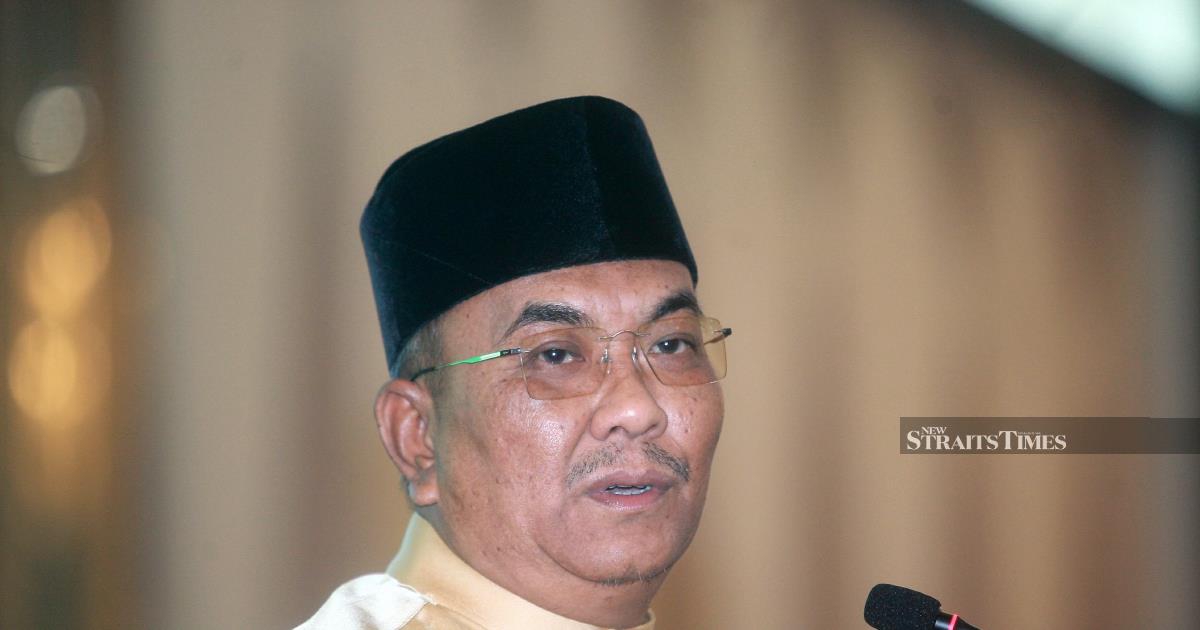
Law enforcement has moved to investigate prominent political figures for comments they delivered while canvassing support during the Negri Sembilan state election campaign. Kedah Menteri Besar Datuk Seri Muhammad Sanusi Md Nor and a senior Umno politician representing Rembau have been called in for questioning by police regarding statements they made on the campaign trail.
The decision to summon both politicians signals the heightened scrutiny being placed on campaign discourse during elections across Malaysia. Election-related offences and inflammatory remarks have long been a point of concern for authorities seeking to maintain order and decorum during political contests. The Negri Sembilan election, being a significant state-level contest, has attracted national attention and the involvement of leading figures from various political parties campaigning across constituencies.
The involvement of Datuk Seri Muhammad Sanusi Md Nor, who holds the chief minister position in Kedah, underscores how senior state leaders regularly traverse the peninsula to mobilise support for their coalition partners and political allies during electoral campaigns. His participation in Negri Sembilan campaigning reflects the interconnected nature of Malaysia's political landscape, where leaders from one state actively engage in elections elsewhere to strengthen their party's electoral performance. The Rembau Umno figure likewise represents the party machinery's attempt to consolidate support within their traditional stronghold.
Police investigations into campaign statements fall within broader election laws designed to prevent candidates and campaigners from making statements that could be construed as inflammatory, misleading, or offensive. Malaysia's election framework establishes clear parameters for acceptable campaign conduct, and enforcement of these standards is typically intensified during active election periods. The specifics of the remarks attributed to each politician remain under investigation, though the decision to formally summon them indicates that authorities believe there are grounds to scrutinise their statements further.
For Malaysian voters and political observers, such police actions carry significance in shaping how political discourse evolves during campaign seasons. They demonstrate that even senior politicians are not insulated from scrutiny when their public utterances cross perceived regulatory thresholds. This can have a moderating effect on campaign rhetoric, though critics argue that selective enforcement sometimes raises concerns about the application of such laws across the political spectrum.
The Negri Sembilan state election represents an important electoral contest in the central region, and its outcome influences the composition of the state assembly and the formation of the state government. The campaign period preceding such elections typically witnesses heightened political activity and communication. Senior figures traversing the state to rally support generate significant media attention and public interest. When their remarks trigger police investigation, it often becomes a focal point in media coverage and public discourse surrounding the election itself.
For the opposition and ruling coalition alike, the conduct of campaigners during electoral contests reflects on their commitment to democratic norms and institutional respect. Umno and its coalition partners have long emphasised their role in maintaining stability and upholding institutional frameworks, making adherence to electoral rules a matter of political importance. Similarly, other political formations that campaign in Negri Sembilan also operate within the same legal framework, and any investigation into campaign conduct typically extends across party lines where violations are identified.
The timing of police summons in relation to the election calendar carries implications for both the investigation process and the ongoing campaign narrative. Elections in Malaysia operate under compressed timelines, meaning that campaign periods are relatively brief and intense. Police inquiries launched during active campaigns can influence voter perception and campaign momentum, creating ancillary political effects beyond the factual investigation of specific remarks.
Statewide and national political networks remain closely attuned to how such investigations unfold, particularly when they involve prominent officeholders. The Kedah Menteri Besar's position as a significant figure within his state administration means that any legal entanglement, however temporary, carries reputational implications. Similarly, the Rembau Umno leader's standing within party hierarchies and his constituency representation can be affected by such police actions, regardless of investigation outcomes.
The broader context of election supervision in Malaysia demonstrates the state's attempt to balance political freedom with regulatory oversight. Election Commission officials, police, and legal authorities work in tandem during electoral periods to monitor compliance with statutory requirements. Accusations or complaints regarding inappropriate campaign conduct can trigger formal investigations, and the decision to summon specific individuals reflects that threshold being met in these instances.
As investigations proceed, political analysts and observers will track how the cases are handled and what conclusions authorities reach regarding the statements in question. The outcomes may set precedent for future campaign conduct standards and the enforcement approaches adopted during subsequent electoral contests. For voters in Negri Sembilan and broader Malaysian audiences, such investigations represent the functioning of legal systems operating concurrently with democratic electoral processes, though ongoing debates persist regarding their consistency and impartiality across political divides.

