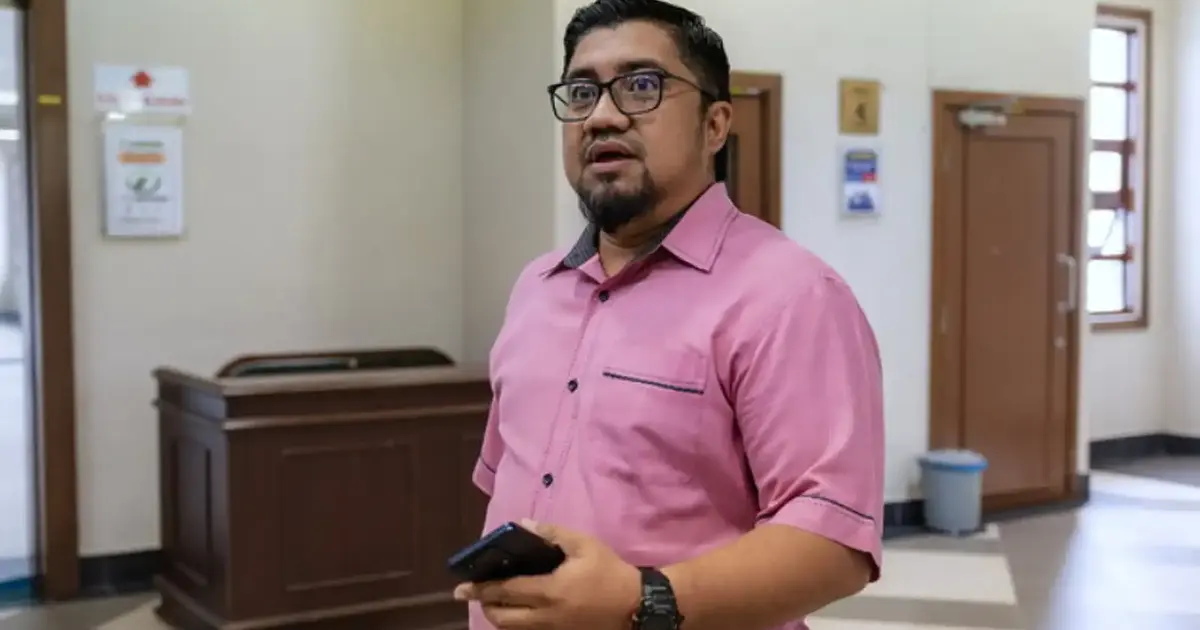
A prominent political activist named Chegubard is now facing formal sedition charges stemming from the dissemination of content that authorities allege pertains to the Negeri Sembilan royal family. The alleged publication occurred on May 26, triggering legal action that underscores the continuing tension between free speech advocates and government authorities over what constitutes permissible political commentary in Malaysia.
The charge represents a notable escalation in Malaysia's fraught landscape surrounding political activism and royal institution protection. Sedition laws in the country remain among the most stringent globally, and their application continues to generate controversy within human rights circles and among civil society organisations that have repeatedly called for reform or outright repeal. This particular case appears to hinge on whether the content in question crossed the legal threshold from legitimate political discourse into territory deemed insulting or threatening toward the royal institution.
Negeri Sembilan, situated in the heart of Peninsular Malaysia, maintains one of the nation's unique constitutional monarchies with its elected Yang di-Pertuan Besar at the helm. The state's royal institution holds considerable cultural and constitutional significance within Malaysia's federal framework, and protecting its dignity remains a stated priority of state and federal authorities. However, critics contend that sedition legislation creates a chilling effect on public discourse and enables authorities to prosecute political opponents under the guise of protecting royal dignity.
Chegubard's case arrives amid broader regional scrutiny of Malaysia's commitment to democratic freedoms. International observers and domestic advocacy groups have consistently flagged sedition statutes as obstacles to genuine democratic participation and the free exchange of ideas. The timing of these charges may influence ongoing assessments of Malaysia's performance on freedom of expression metrics, potentially affecting the country's standing among international human rights bodies and development organisations that emphasise democratic governance.
The specifics of what Chegubard published remain subject to official characterisation, though the sedition charge indicates authorities determined the material crossed into prohibited territory. Malaysia's sedition legislation criminalises speech deemed to bring into hatred or contempt any part of the Malaysian Federation, encourage disloyalty toward the monarch, promote feelings of ill-will or hostility between different races or religious groups, or counsel disobedience to the law. The breadth of these definitions has long troubled observers who note their potential for expansive interpretation.
Political activists operating in Malaysia today navigate an increasingly complex regulatory environment. Beyond sedition charges, they face potential prosecutions under other legislation including the Communications and Multimedia Act, which grants authorities broad discretion to regulate online speech. This multiplicity of legal tools has prompted some international legal experts to characterise Malaysia's approach as falling short of international standards for protecting political expression, though government officials contend that such measures remain necessary to maintain social harmony and protect national institutions.
The May 26 publication date carries its own significance within Malaysia's political calendar. Understanding precisely what triggered the complaint and subsequent investigation may illuminate how authorities assess and respond to content involving royal institutions. The decision to prosecute rather than issue warnings or pursue other remedies suggests authorities viewed the material as sufficiently egregious to warrant criminal sanctions, a determination that will likely become clearer as the case progresses through the courts.
For Malaysia's broader political ecosystem, Chegubard's prosecution serves as a potent reminder of the risks accompanying activism. Opposition figures, civil society advocates, and independent commentators must continuously calibrate their public statements to remain within legal boundaries that themselves remain contested and occasionally reinterpreted by courts. This environment inevitably dampens public debate, as potential speakers self-censor to avoid legal jeopardy, according to researchers studying Malaysia's political communication patterns.
The case also intersects with ongoing debates about whether Malaysia's approach to protecting royal institutions serves the monarchy's interests or potentially undermines them. Some observers argue that robust democratic discourse and the ability to offer legitimate criticism actually strengthen institutions by demonstrating confidence in their resilience, while restrictive approaches may inadvertently suggest fragility requiring legal protection rather than institutional confidence. These competing perspectives shape discussions among policy analysts examining whether current legislation reflects constitutional values or exceeds them.
Southeast Asian neighbours watching developments in Malaysia perceive lessons about the region's broader trajectory regarding democratic governance and institutional protection. Thailand's strict lèse-majesté laws have generated international attention and domestic controversy, while other regional democracies attempt different balancing acts. Malaysia's approach, reflected in cases like Chegubard's prosecution, positions the country within broader regional patterns regarding how governments reconcile institutional protection with democratic freedoms.
As Chegubard's case proceeds through Malaysia's legal system, it will likely generate significant public attention and possibly international scrutiny. Civil rights organisations may file amicus curiae briefs, while academic observers will scrutinise judicial reasoning regarding the boundaries between protected political speech and proscribed sedition. Whatever the eventual outcome, this prosecution will undoubtedly continue shaping debates about Malaysia's commitment to free expression and democratic participation.

