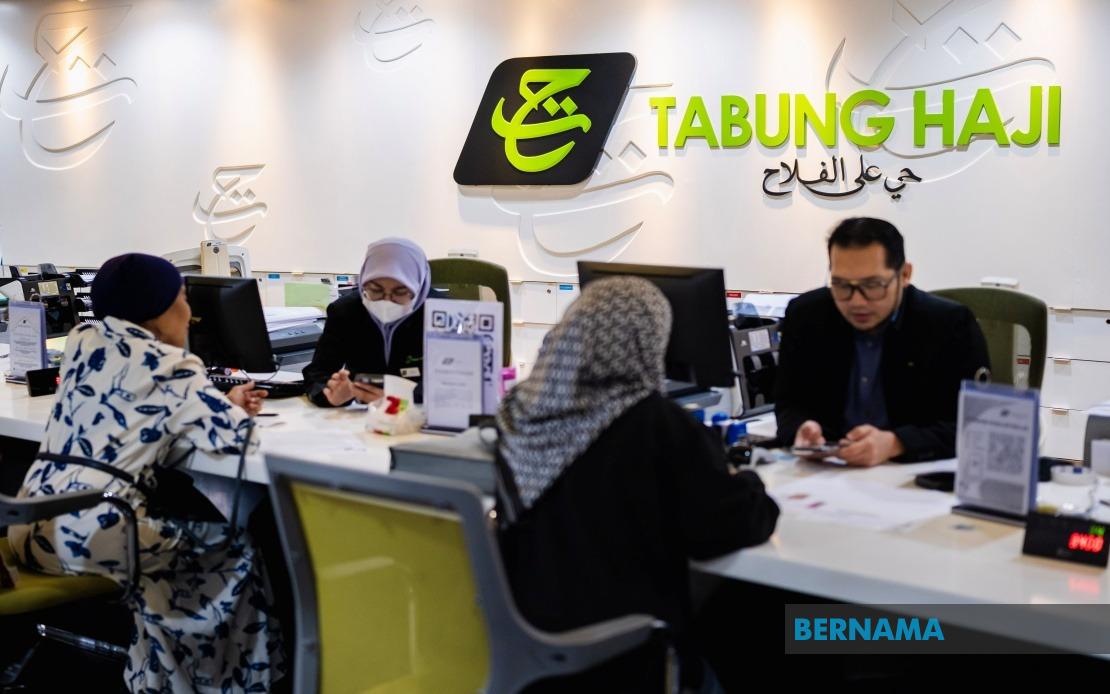
The road to restoring public confidence in Tabung Haji hinges on one critical requirement: the institution must break free from the grip of political interference that has hampered its operations and tarnished its reputation. This consensus emerged from academic and policy experts following progress on implementing Royal Commission of Inquiry recommendations, with more than three-quarters of suggested reforms already in place. The collective view underscores a fundamental truth that became clear during the crisis—political meddling undermines sound corporate governance and erodes the trust of depositors, particularly the country's Muslim community who depend on the institution to manage their sacred pilgrimage savings.
The damage inflicted by political involvement extends far beyond internal management failures. According to analysts, the entanglement of Tabung Haji with political interests has created a structural problem where nearly every significant decision becomes subject to political calculation rather than professional judgment. This pattern has been evident in everything from board appointments to major investment decisions, and it fundamentally compromises the institution's ability to act in the best interests of its members. The very tabling of the Royal Commission findings in Parliament illustrated how political considerations continue to shape the narrative around the institution's future, rather than allowing merit-based management to take precedence.
Prof Dr Azmi Hassan from the Nusantara Academy for Strategic Research articulated the urgency of this separation, arguing that restoring full confidence requires the government to demonstrate through concrete actions that professional, politically-unaffiliated leaders now steer Tabung Haji. The academic stressed that mere rhetoric about governance improvements rings hollow without visible evidence that politicians have genuinely relinquished control. This represents a significant challenge, as it requires political actors to voluntarily surrender influence over an institution with substantial financial assets and symbolic importance within Malaysia's Muslim community.
The path forward becomes clearer when observers examine how other major Malaysian institutions have successfully maintained professional standards. Universiti Putra Malaysia's Dr Mohd Amim Othman pointed to the Employees Provident Fund and Permodalan Nasional Berhad as models demonstrating that large, complex financial organisations can thrive when shielded from political interference. Malaysia possesses no shortage of qualified professionals capable of managing Tabung Haji effectively, yet the persistent problem remains that political actors have historically been reluctant to cede control. Breaking this pattern requires deliberate structural reforms, including modifications to ministerial powers, strengthened board independence, and enhanced regulatory oversight mechanisms that prevent political manipulation.
Beyond governance mechanics, Tabung Haji faces a strategic challenge in attracting younger Malaysians to participation. The post-crisis environment demands more than damage control; the institution must proactively reinvent itself to appeal to a generation accustomed to diverse financial products and digital engagement. Dr Mohd Amim highlighted that declining contributions from existing members threaten investment capacity, making youth recruitment essential for long-term sustainability. Expanding offerings such as Tabung Haji Property and modernising the member experience could transform the institution into a competitive savings vehicle rather than merely a vehicle for managing hajj savings.
The consequences of political interference extend directly to investment decision-making and risk management. Dr Saizal Pinjaman from Universiti Malaysia Sabah's Centre for Economic and Policy Development identified a troubling pattern where political considerations have overridden proper due diligence processes. The Al-Rawda investment in Saudi Arabia exemplifies this danger—the institution's largest single loss proceeded despite incomplete due diligence, suggesting that political pressure to approve investments superseded professional risk assessment. Such situations underscore why management independence must be coupled with rigorous accountability and oversight frameworks that prevent both political pressure and managerial recklessness.
Restoring institutional credibility requires deliberate efforts to realign Tabung Haji's public image with its original purpose and values. Dr Noor Nirwandy Mat Noordin from Universiti Teknologi MARA emphasised that Tabung Haji must reclaim its standing as an institution representing Muslim civilisation, heritage, and dignity in Malaysia. This aspiration demands transparency that demonstrates the institution operates in members' interests rather than serving as a vehicle for political patronage or factional interests. When citizens perceive that their savings are managed by professionals committed solely to their welfare, trust naturally follows.
Transparency itself represents a practical reform with transformative potential. Moving beyond vague pronouncements about good governance, Tabung Haji should implement concrete transparency measures allowing stakeholders to scrutinise decision-making processes and understand how their funds are deployed. Engaging external experts for investment advice and economic strategy provides both enhanced decision quality and visible demonstration that professional judgment, rather than political calculation, drives institutional direction. Such measures build credibility by showing that management welcomes external validation and scrutiny.
The implementation of Royal Commission recommendations offers a window of opportunity that must not be squandered. With over three-quarters of the Commission's suggestions already adopted, the institution has momentum to complete the reform agenda comprehensively. However, numbers alone do not guarantee success—what matters is whether reforms are implemented in spirit and substance or merely as cosmetic adjustments. The ultimate test will be whether subsequent major decisions at Tabung Haji reflect independent professional judgment or continue to serve political interests, however subtly disguised.
For Malaysian and Southeast Asian observers, the Tabung Haji case carries broader implications for how large financial institutions should be governed. In an era when trust in institutions faces persistent challenges, demonstrating that major organisations can operate with genuine independence from political pressure offers a powerful example. Conversely, if Tabung Haji continues serving political interests despite reform rhetoric, the damage extends beyond one institution to citizen confidence in governance across the region. The coming months and years will reveal whether Malaysia's leadership genuinely intends to separate Tabung Haji from politics or merely implements superficial reforms while maintaining underlying political control.

