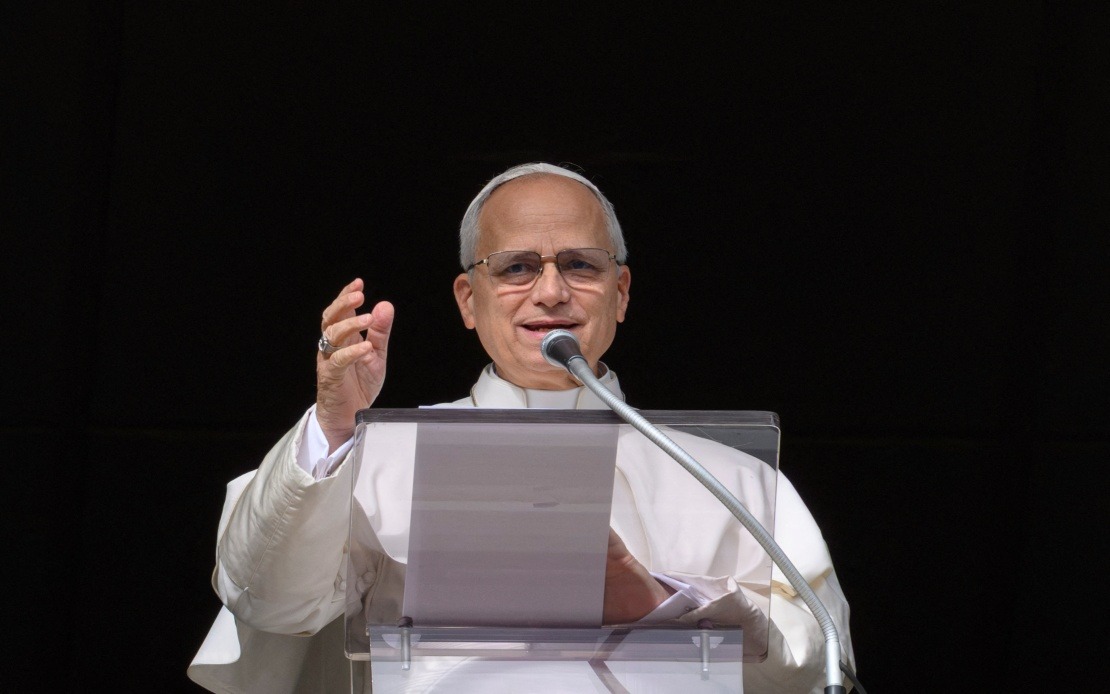
Pope Leo XIV has raised a significant theological and philosophical challenge to prevailing assumptions about artificial intelligence, warning that the notion of moral neutrality in AI systems fundamentally misunderstands how these technologies operate and shape society. Speaking through social media on Thursday, the pontiff articulated a position that AI cannot stand apart from human values and ethical frameworks, a stance with profound implications for how technologists, policymakers, and organisations across Southeast Asia approach the adoption and regulation of these increasingly powerful systems.
The core of the pontiff's argument rests on a straightforward but often overlooked premise: every artificial intelligence system, from its inception through deployment, embeds within itself the priorities, design choices, and classifications of its creators. This is not a neutral or objective process. Rather, these embedded decisions reflect particular understandings of what humanity should be, how society should function, and what outcomes matter most. When developers select which data to train a system on, how to weight competing objectives, or what constitutes success, they are making moral choices whether they acknowledge them or not. The language of neutrality, in this view, masks these choices behind a veneer of technical objectivity.
In Southeast Asia, where many nations are rapidly integrating AI into public services, financial systems, and governance, this warning carries immediate practical weight. Malaysian institutions, alongside counterparts across the region, are deploying AI in healthcare diagnostics, loan approval systems, and administrative decision-making. The assumption that these systems operate objectively can lead policymakers to defer to technical expertise without adequate examination of whose values and priorities shape the underlying algorithms. The pontiff's intervention suggests that such deference is misplaced and potentially dangerous.
Pope Leo XIV expanded his critique by insisting that ethical scrutiny of AI must go far deeper than merely examining how a system is ultimately used. The analysis must extend backwards through the entire chain of creation. This encompasses the datasets fed into the system, which may themselves encode historical biases or incomplete representations of reality. It encompasses the architectural choices made by engineers, the business incentives driving development, the regulatory environment in which systems are built, and even the fundamental assumptions about human flourishing that inform the whole enterprise. To examine only the end-use purpose while ignoring these upstream decisions is to miss where moral agency truly operates.
The practical implications for Malaysia and the region become clearer when considering concrete examples. A credit-scoring algorithm trained predominantly on historical lending data may perpetuate patterns of discrimination against women entrepreneurs or rural populations if that bias existed in the training data. An AI system designed to optimise hospital resource allocation reflects choices about whose life is valued most, even if those choices were never explicitly debated. An automated hiring tool selects candidates based on patterns in previous hiring, potentially amplifying past discriminatory practices. In each case, the moral work has been done upstream, in design and data selection, before any human makes a final decision.
Recognising this reality, the pontiff called for a clear delineation of responsibility at every stage of an AI system's lifecycle. This represents a significant departure from the diffusion of accountability that often characterises AI development, where designers claim they are merely creating neutral tools, deployers claim they are following technical guidance, and users claim they are simply implementing available solutions. The pontiff's intervention suggests that such fragmentation of responsibility is ethically unacceptable. Someone must be accountable for each choice, from initial conception through ongoing operation.
This framework directly challenges the Silicon Valley narrative of technological inevitability that has influenced thinking globally, including in Malaysia and across Southeast Asia. The idea that AI development is a purely technical process that follows its own logic, independent of human choice and moral judgment, obscures the reality that countless human decisions shape every aspect of these systems. If the pontiff is correct, then the alternative to technological inevitability is technological deliberation: conscious choices made by informed people about what kinds of AI systems should be built, for what purposes, reflecting what values.
The pontiff's emphasis on human dignity provides an additional lens for Asian societies to consider. Across Southeast Asia, where traditional philosophical and spiritual frameworks often emphasise harmony, collective welfare, and the integration of individual flourishing within community well-being, the question of what vision of human dignity is embedded in AI systems takes on particular importance. Western-designed AI systems may optimise for individual choice, consumer satisfaction, or profit maximisation in ways that reflect different values than those central to many Southeast Asian worldviews. The pontiff's insistence that such visions be examined and made explicit creates space for diverse societies to ask whether imported AI systems actually align with their own understandings of human dignity and social good.
The call for accountability also implies the need for mechanisms of challenge and remedy. This is particularly significant for developing economies in Southeast Asia that may lack the regulatory infrastructure or technical expertise to evaluate AI systems before they are deployed. If a system causes harm—discrimination in loan decisions, misdiagnosis in healthcare, unfair dismissal from employment—someone must be responsible for recognising the problem, acknowledging it publicly, and correcting it. This suggests the need for ongoing monitoring, transparency requirements, and accessible grievance mechanisms, elements that should be built into AI systems from their conception rather than bolted on afterward.
Pope Leo XIV's intervention also implicitly endorses the legitimacy of democratic participation in decisions about AI. If these are not purely technical matters to be left to engineers and firms, but rather fundamentally moral questions about human dignity and the common good, then citizens and their representatives have both the right and responsibility to participate in those decisions. This is particularly important in Malaysia and across Southeast Asia, where public discourse about AI governance is still developing. The pontiff's argument provides ethical grounding for insisting that AI policy be made transparently and democratically, with input from affected communities, rather than privately by technology companies or unaccountably by government technocrats.
The broader implication is that the era of treating AI as a morally neutral tool must end. Whether in clinical settings, courtrooms, schools, or government offices, these systems carry within them choices about human values and social priorities. Making those choices visible, debating them openly, and ensuring accountability for them becomes essential. For Malaysia and other Southeast Asian nations still determining how to regulate and deploy AI, the pontiff's warning suggests that the most responsible approach is not to assume neutrality exists and then trust systems to police themselves, but rather to engage directly with the moral choices embedded in AI and to ensure that these choices reflect the values and dignity that societies wish to uphold.

