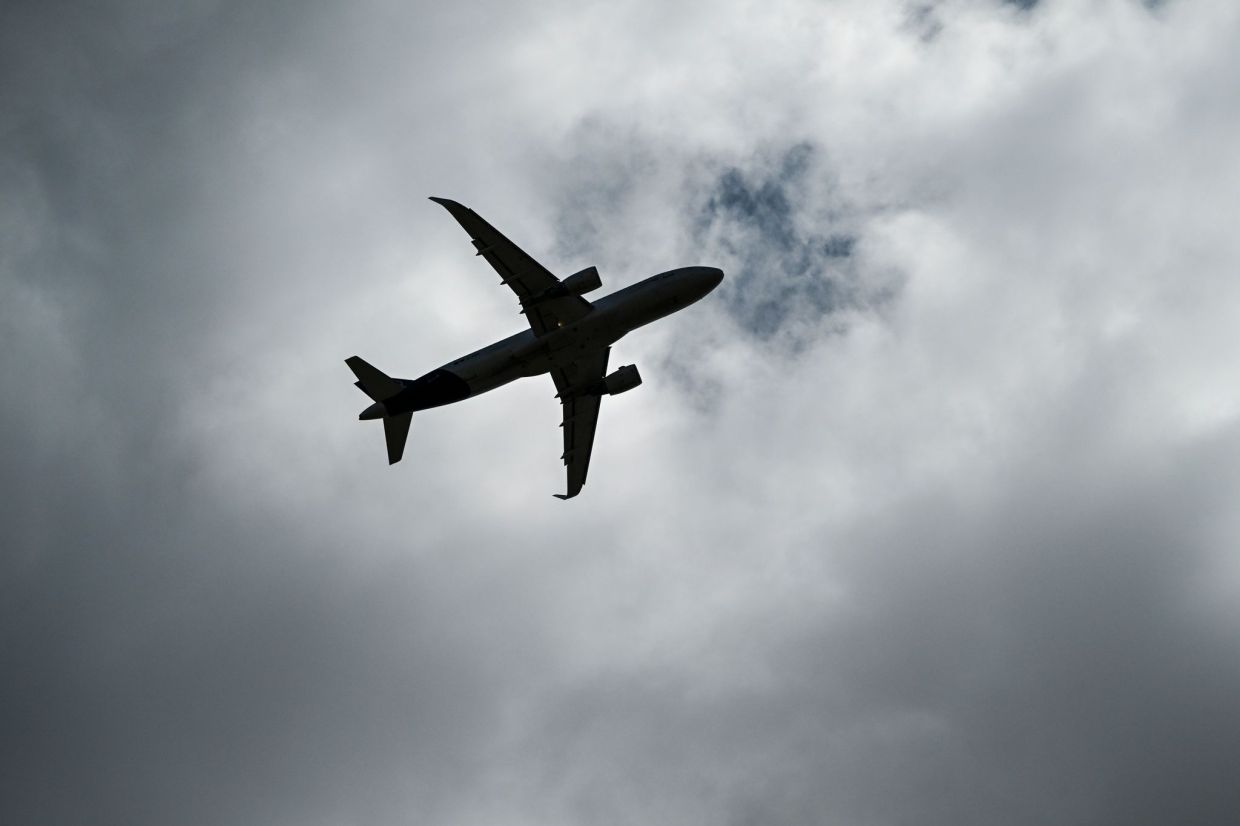
A Swiss International Air Lines aircraft operating a transatlantic service from Zurich to Boston was forced to divert to Dublin after a power bank ignited smoke inside the cabin, triggering an emergency response and disrupting travel plans for over 200 passengers. The incident represents an escalating concern for aviation authorities regarding portable electronic devices in aircraft cabins, particularly power banks and battery-powered accessories that have become ubiquitous among modern travellers.
The flight carrying 206 passengers required priority landing clearance at Dublin Airport, though Swiss and the broader Lufthansa Group classification system do not classify such incidents as full emergency landings despite the precautionary diversion. Once safely on the ground, all passengers were accommodated in hotels while the airline arranged alternative transport to their final destination. The swift handling of the situation prevented any injuries and demonstrated established protocols for managing in-flight electrical fires, yet the event has reignited debate about passenger compliance with safety regulations and the adequacy of existing oversight mechanisms.
What distinguishes this occurrence is that it represents the second serious incident involving electronic devices within a fortnight. Previously, in July, another Swiss flight travelling from Zurich to New York was forced to make an unscheduled landing in Bangor, Maine, after smoke was detected in the passenger cabin. That earlier incident was traced to a charging case for wireless headphones that had shifted between seat rows, becoming wedged in a position where mechanical stress and friction damage eventually compromised the battery casing and triggered thermal runaway—the catastrophic failure mode that leads to overheating and smoke generation.
Both incidents underscore a critical vulnerability in current aviation safety frameworks: the gap between regulatory restrictions and passenger awareness or compliance. Lufthansa Group, which operates multiple subsidiary carriers including SWISS, Lufthansa, Austrian Airlines, and others, implemented comprehensive restrictions on power banks and related energy storage devices beginning in January 2026. These rules explicitly prohibit the use and charging of power banks anywhere aboard aircraft operated by group carriers, a measure the airline notes aligns with guidance issued by international civil aviation authorities worldwide.
Under the revised policy, each traveller is permitted to transport a maximum of two power banks in carry-on luggage only—never in checked baggage or overhead compartments. When brought aboard, the devices must remain in one of three approved locations: a seat pocket directly in front of the passenger, on the individual's person such as in a pocket or backpack, or in underseat carry-on luggage. This spatial restriction serves a practical safety function by keeping batteries within easy reach of crew members who can respond immediately if thermal issues develop, rather than having devices inaccessibly stored overhead where smoke and fire could spread before detection.
Power banks with capacities ranging from 100 watt-hours to 160 watt-hours require advance written approval from the airline, a screening process designed to evaluate whether larger batteries present unacceptable risk profiles. Medical devices exempted from these classifications can be carried under different protocols, reflecting recognition that some passengers depend on powered equipment for essential health management. E-cigarettes face identical restrictions to power banks, reflecting the shared lithium-ion battery chemistry that has proven problematic in enclosed aircraft environments where ventilation and firefighting options are severely constrained.
The regulatory environment reflects years of accumulated incident data showing that lithium-ion battery thermal runaway represents one of aviation's more difficult safety challenges. When batteries fail—whether through manufacturing defects, physical damage, electrical short circuits, or cumulative degradation—the resulting fires generate toxic gases, thick smoke, and heat at levels difficult to suppress with standard aircraft fire suppression systems. In the confined space of a pressurized cabin, such fires pose risks extending beyond the immediate fire zone, potentially affecting navigation systems, oxygen supplies, and passenger escape routes. This reality explains why aviation authorities worldwide have progressively tightened restrictions on batteries in cargo holds and passenger areas.
For Malaysian and Southeast Asian travellers, these incidents carry particular relevance given the region's status as a major technology consumer market and transit hub for international flights. Passengers regularly travel with multiple electronic devices—power banks for extended journeys, wireless earbuds, smartwatches, and portable chargers—often without reviewing airline-specific policies. The Lufthansa Group operates significant services across Asia-Pacific, including direct flights from Kuala Lumpur and other regional hubs, making familiarity with these rules essential for anyone connecting through European networks or flying group carriers directly.
The incidents also highlight how passenger behaviour and equipment storage practices directly influence aviation safety outcomes. The Bangor incident demonstrated how a simple charging accessory that had fallen unnoticed between seats could escalate into an in-flight emergency, suggesting that even items passengers consider innocuous pose material risk when positioned inaccessibly. Crew members conducting pre-flight walkthroughs cannot reliably detect devices wedged in crevices, and passengers often remain unaware when items have shifted during boarding or earlier legs of journey.
Lufthansa Group's position that passengers should consult airline policies before packing represents sound practical advice, yet it places burden on individual travellers to navigate potentially varying requirements across multiple carriers. Since regulations differ between airlines—some allowing larger power banks, others imposing stricter limits—and between destinations, a passenger's perfectly compliant device on one carrier might violate another's policies. This fragmentation creates opportunities for confusion and inadvertent violations, particularly among business travellers and frequent flyers moving rapidly between networks.
The regulatory alignment with international aviation authority recommendations that Lufthansa emphasizes suggests movement toward standardized global rules, though implementation remains inconsistent. International Air Transport Association guidelines inform but do not mandate specific power bank policies, leaving individual carriers discretion to implement more or less stringent restrictions. This flexibility sometimes reflects risk tolerance differences, but it can also reflect divergent interpretations of identical safety data.
Moving forward, both passengers and airlines share responsibility for preventing recurrence. Travellers must actively verify current policies rather than assuming last year's equipment remains acceptable, while airlines must communicate restrictions clearly at booking, check-in, and boarding stages. The power bank incidents—occurring twice within weeks on the same carrier—suggest that existing communication and enforcement mechanisms may require strengthening to reach passengers who either overlooked initial guidance or failed to understand why restrictions apply to devices they use daily without incident on the ground.

