The Agricultural Farmers' Organisation (PPK) is embarking on an ambitious nationwide programme to transform 90 farmers' outlets into competitive retail operations capable of challenging established food and beverage chains and supermarket brands. The initiative, overseen by the Farmers' Organisation Authority (LPP), represents a significant effort to professionalise the agricultural retail sector and give smallholder farmers greater market reach and consumer visibility.
So far, the LPP's Economic Development Division has successfully modernised 30 of these outlets, with comprehensive upgrades encompassing brand identity, visual presentation, promotional strategies, and inventory management systems. The second phase of development targets another 30 outlets, with the remainder scheduled for enhancement in subsequent periods. Each upgrade is designed to elevate the outlets to standards comparable with established national and international retail players, addressing a longstanding gap between farm-gate quality and market presentation.
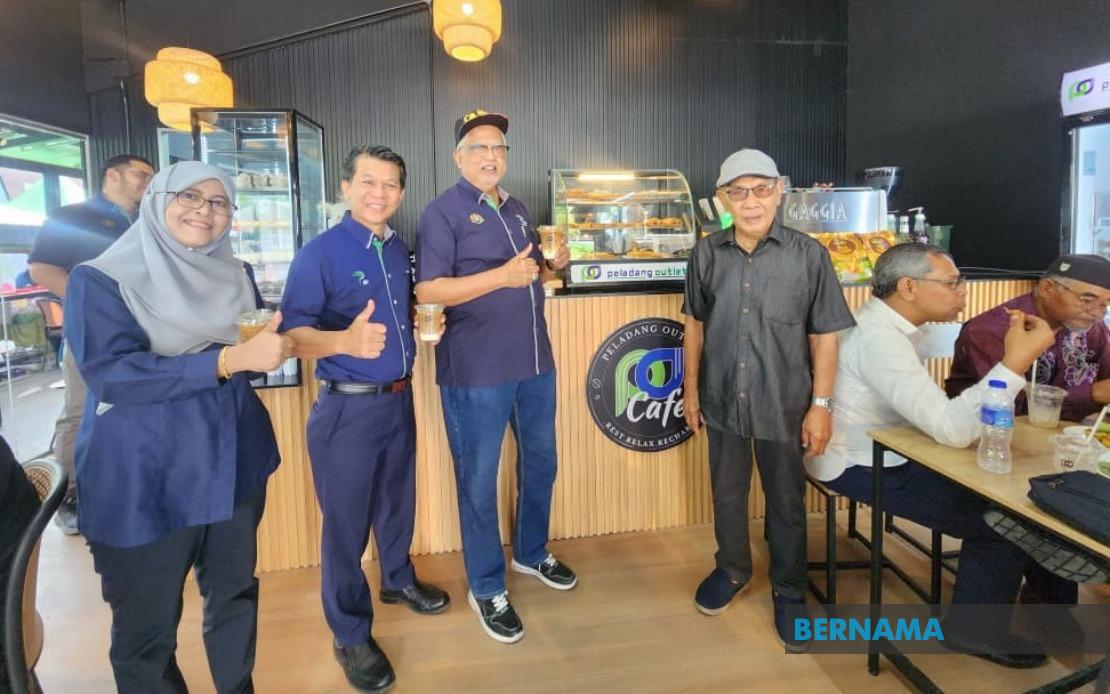
The Padang Siding PPK outlet in Arau, which received its official inauguration during the 51st Farmers, Breeders, and Fishermen's Day celebration, exemplifies the programme's success. Since commencing operations in April this year, the outlet has attracted over 20,000 visitors, demonstrating substantial consumer interest in the one-stop shopping concept that bundles locally-produced agricultural goods at reasonable prices. This footfall indicates genuine market demand for accessible, quality farm products positioned outside conventional supermarket channels.
According to Marlina Mohd, director of the Economic Development Division, the platform serves a dual purpose: it showcases quality merchandise from local agricultural entrepreneurs while providing consumers with direct access to fresh products at competitive rates. By eliminating intermediate distribution layers, the outlets can offer better value to buyers whilst returning higher margins to producers—a model that addresses persistent complaints from both farmers and cost-conscious consumers about supply chain inefficiencies.
The modernisation programme extends beyond cosmetic improvements. Rebranding efforts include standardised logos and corporate imagery that project professionalism and reliability, critical factors influencing purchasing behaviour in an increasingly crowded retail environment. Enhanced stock-keeping unit (SKU) management ensures consistent product availability and inventory tracking, operational capabilities that smallholder organisations historically struggle to implement without technical support. Promotional activities, previously minimal or ad hoc, are now coordinated strategically to build consumer awareness and repeat visits.
This initiative reflects broader regional trends in agricultural value-chain strengthening across Southeast Asia. Countries including Thailand and Indonesia have invested heavily in farmer cooperatives and branded retail channels to improve income stability and market access. Malaysia's approach through the PPK network represents recognition that modernisation and professionalisation are essential for agricultural sector sustainability, particularly as rural youth migration continues and farming becomes increasingly unviable for younger generations without viable income pathways.
The programme also addresses food security considerations relevant to Malaysian policymakers. By strengthening direct-to-consumer channels and reducing supply chain complexity, the outlets can theoretically stabilise prices for locally-produced staples and seasonal vegetables. This resilience becomes increasingly important in an era of volatile commodity prices and geopolitical supply disruptions affecting food imports. Local production networks create buffers against external shocks.
For consumers, particularly in smaller towns and rural areas where supermarket options remain limited, upgraded farmers' outlets provide quality assurance combined with price transparency. The branding and regulatory oversight by LPP create accountability mechanisms absent in informal farm markets, whilst prices typically remain below conventional retail. This positioning appeals particularly to price-sensitive households and those valuing fresh, locally-sourced produce.
The expansion timeline suggests careful, phased implementation intended to ensure quality standards and operational sustainability across locations. Rather than rushing all 90 outlets simultaneously—a strategy prone to inconsistent quality and management failures—the staggered approach allows knowledge transfer, problem-solving, and refinement of best practices. This methodical progression increases the probability of programme success and long-term viability.
LPP chairman Datuk Mahfuz Omar's formal inauguration of the initiative signals government-level commitment to the agricultural retail transformation agenda. Such high-level backing typically facilitates access to funding, regulatory support, and coordination with other agencies essential for operational scaling. The involvement of director-general Amir Matamin underscores institutional depth of commitment beyond individual office-holders.
Government's future plans to expand the outlet network beyond the current 90 locations suggest confidence in the commercial model and consumer reception. Additional expansion would require identifying suitable locations, securing additional capital, and recruiting management capability—challenges not addressed in detail but critical to long-term success. The programme's scalability may depend partly on leveraging digital tools, supply-chain technology, and professional management training to overcome traditional cooperative governance weaknesses.
The competitiveness benchmark against F&B chains and major retail operators is ambitious but logical. Modern consumers, even in smaller markets, increasingly expect consistent quality, clean environments, convenient hours, and professional customer service regardless of whether they shop at hypermarkets or specialist outlets. Meeting these expectations requires sustained investment in infrastructure, training, and systems—a commitment that distinguishes genuine modernisation from cosmetic rebranding. Success will ultimately be measured not by visitor numbers alone, but by customer retention, repeat purchase rates, and farmer income improvements over sustained periods.

