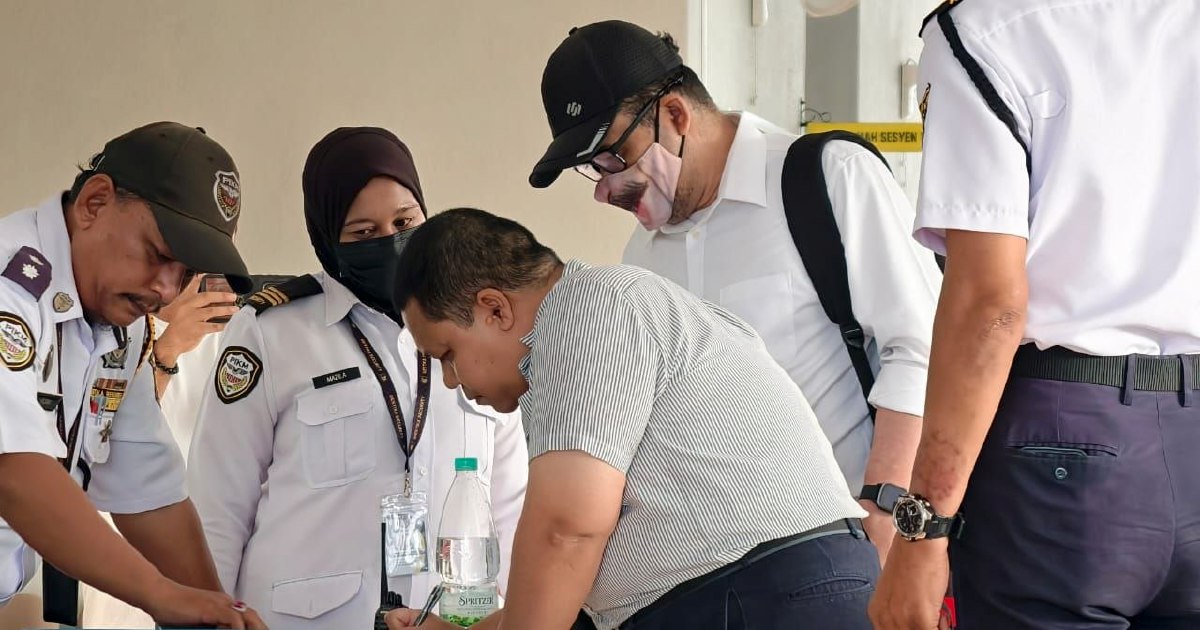
A preschool teacher appeared before Sessions Court in Seremban today to face two charges related to the physical sexual assault of an 8-year-old male student, with the alleged abuse taking place during April. The formal filing of charges marks a significant development in what authorities have been investigating as a serious child protection matter within an educational institution.
The case underscores growing concerns about safeguarding protocols in Malaysian preschools and early childhood facilities. Parents and education advocates have increasingly raised questions about background screening procedures, supervision standards, and the mechanisms available to report suspected misconduct involving young learners. The prosecution's decision to proceed with charges in a public court setting reflects the severity with which the judicial system treats offences against minors.
Sexual abuse allegations within educational environments carry profound implications not only for the affected child and their family, but also for the broader community's confidence in institutional oversight. Malaysia's education sector has faced periodic scrutiny regarding staff vetting processes and the implementation of protective measures. While schools and preschools maintain various safeguarding policies, this case highlights the ongoing need to evaluate whether existing frameworks adequately prevent and deter such offences.
The two-count charge structure suggests that authorities have identified multiple distinct incidents within the April timeframe. Each count carries separate legal weight, meaning the accused will face individual adjudication for what prosecutors contend are separate instances of criminal conduct. The severity of charges involving minors typically results in enhanced sentencing considerations if conviction follows.
For families with children in preschool settings across Seremban and beyond, this development may prompt difficult conversations about personal safety education and how to create environments where young pupils feel comfortable disclosing uncomfortable situations. Many child welfare professionals emphasize that teaching basic body awareness and appropriate versus inappropriate touch forms an essential component of early childhood curriculum.
The Malaysian legal framework provides specific provisions addressing sexual offences against children, recognising the inherent vulnerability of minors and the breach of trust that occurs when educators—individuals positioned to nurture and protect—allegedly perpetrate such harm. The Sessions Court proceedings will involve examination of evidence, witness testimony, and legal arguments regarding the charges laid.
Investigative authorities in Seremban would have conducted preliminary inquiries before the decision to charge was made, suggesting that sufficient prima facie evidence existed to warrant formal court proceedings. The timescale between the alleged April incidents and today's court appearance represents the period needed for investigation completion and preparation of prosecution materials.
Education sector observers note that such cases, while exceptional, demonstrate why institutions must maintain rigorous hiring standards, ongoing training for staff regarding child protection obligations, and accessible reporting mechanisms for parents and colleagues who observe concerning behaviour. Several Southeast Asian nations have strengthened their early childhood regulatory frameworks in recent years, responding to high-profile cases that exposed supervisory gaps.
For the Sessions Court system, this matter joins numerous cases requiring judicial attention to matters affecting the most vulnerable segments of Malaysian society. The court's handling of these proceedings will set important precedents regarding evidence standards and sentencing approaches in comparable future cases.
The accused now enters the formal court process where evidence will be presented, legal arguments advanced, and the court must determine guilt or innocence according to law. The presumption of innocence applies throughout these proceedings, though the formal charges indicate prosecutors' confidence in their case foundation.
This case has implications extending beyond the immediate parties involved. It reinforces discussions within government ministries, parent associations, and education policy circles regarding how Malaysia can further strengthen child protection infrastructure, particularly within early learning environments where children are among their most vulnerable and dependent.
The coming court sessions will receive attention from child welfare advocates and education specialists monitoring how the justice system responds to allegations of institutional abuse. Outcomes may influence policy recommendations and best-practice guidelines issued by educational authorities and child protection bodies.

