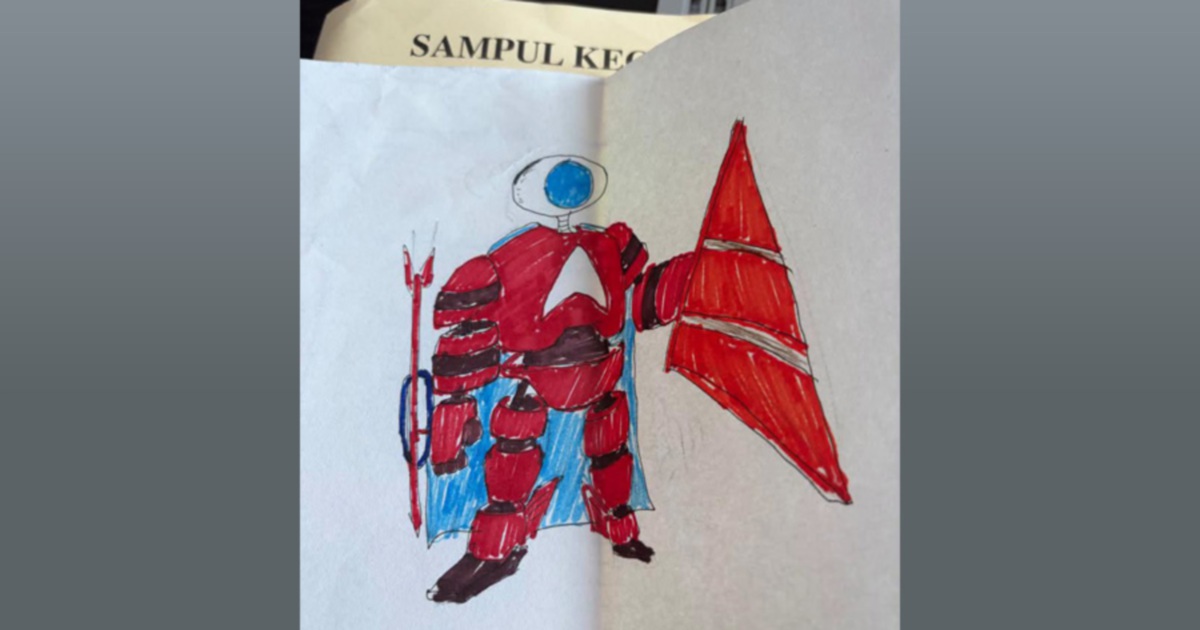
Prime Minister Datuk Seri Anwar Ibrahim has chosen to preserve a piece of artwork gifted to him by a child with special needs during a recent Temu Anwar programme held in Negri Sembilan, reflecting his appreciation for the personal connection forged during grassroots engagement activities. The drawing, which emerged from this community interaction, has taken on special significance for the nation's leader, serving as a tangible reminder of the encounters that occur during his periodic town halls with constituents across the country.
The Temu Anwar series represents a cornerstone of Anwar's governing philosophy, designed to facilitate direct dialogue between the Prime Minister and ordinary Malaysians from diverse backgrounds. These sessions, held periodically in different states, create informal settings where citizens can voice concerns, share their stories, and engage with national leadership on matters affecting their daily lives. The Negri Sembilan gathering exemplifies how such platforms extend beyond political messaging to create human moments that resonate with participants long after the event concludes.
For families raising children with special needs, encounters with high-ranking government officials often carry heightened emotional weight. Such interactions frequently represent rare opportunities for these families to feel acknowledged and valued at the highest levels of governance. The gesture of presenting artwork to the Prime Minister reflects not merely an exchange of gifts, but a profound moment of visibility and recognition for a community that sometimes operates outside mainstream public consciousness. That Anwar chose to retain this particular drawing underscores his awareness of these nuances.
Inclusion and accessibility have increasingly become focal points in Malaysian public discourse, with advocacy groups consistently pushing for improved services, education, and social integration for children with special needs. Government initiatives targeting this demographic have expanded in recent years, though gaps in provision and resource allocation remain subjects of ongoing debate. When national leaders demonstrate tangible interest in and respect for this population through personal gestures, such actions carry symbolic weight that extends beyond the individual interaction.
The preservation of the artwork also speaks to how leaders can humanise their public roles. In an era dominated by formal protocols and political grandstanding, small gestures—keeping a child's drawing, displaying genuine interest during grassroots events—can foster perceptions of accessibility and authentic concern. For constituents who interact with Anwar during Temu Anwar sessions, such details become part of how they narrate their experiences to family and community members, shaping broader public impressions of political leadership.
Negri Sembilan, as one of Malaysia's smaller states with a population exceeding 1.1 million, has historically received variable attention in national political calendars. The Prime Minister's commitment to conducting periodic Temu Anwar sessions across different regions reflects an effort to distribute face-time with leadership beyond the major urban centres of Kuala Lumpur, Selangor, and Penang. State-level engagement helps government bodies identify local concerns that might otherwise remain invisible to federal policymakers, while simultaneously building political legitimacy through visible presence.
The Temu Anwar model has evolved through successive iterations, incorporating feedback about accessibility and inclusivity. Organisers have progressively worked to ensure that sessions accommodate people with varying physical, sensory, and cognitive needs, recognising that meaningful engagement requires removing barriers to participation. When children with special needs feel welcome and enabled to participate—whether through artistic expression or direct interaction—these gatherings fulfill their broader mandate of inclusive governance.
Conversations around special needs education and services in Malaysia often centre on resource constraints and competing priorities. Federal budgets must balance numerous constituencies, from healthcare to infrastructure to defence spending. Advocacy for families with special needs children frequently emphasises that enhanced provision generates long-term societal benefits through improved educational outcomes, reduced dependency on public health systems, and increased workforce participation among individuals who might otherwise remain economically marginalised. Visible leadership engagement with this demographic can help elevate such discussions on the policy agenda.
The act of preserving a child's drawing also carries implicit messaging about Malaysian values around family, community, and social responsibility. In a society with strong cultural emphasis on filial piety and collective welfare, acknowledging and honouring contributions from all citizens—regardless of physical or mental capabilities—aligns with both traditional and modern conceptions of inclusive nationhood. Such symbolism, while perhaps subtle, contributes to shaping national narratives around who belongs and whose voices merit attention.
For the child's family, knowing that their child's artwork occupies space in the Prime Minister's personal collection represents validation of a kind that transcends material value. It communicates that their child, despite navigating challenges and potential societal stigma, has created something worthy of preservation by the nation's highest official. These moments, accumulated across thousands of Temu Anwar interactions, collectively demonstrate how leadership presence in communities extends beyond policy announcements to encompass the affirmation of individual human worth and dignity.

