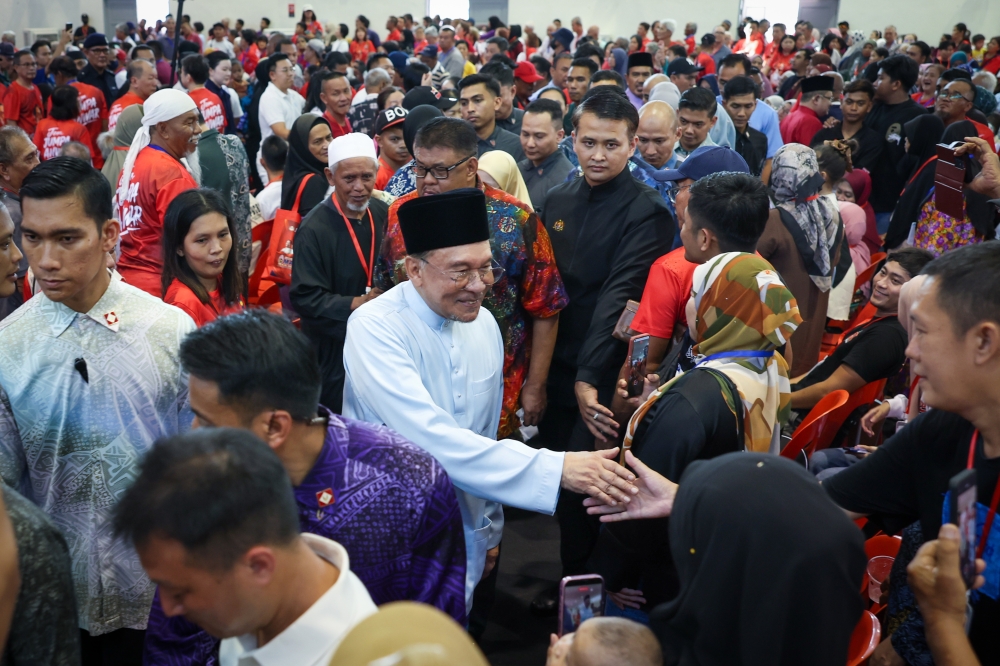
Prime Minister Datuk Seri Anwar Ibrahim is currently undergoing a series of medical examinations and specialist procedures, according to an official statement released by the Prime Minister's Office. The comprehensive health assessment is scheduled to span two days of observation with medical specialists, representing a routine preventive measure for the nation's chief executive.
The announcement, made in Petaling Jaya, comes as part of the Prime Minister's regular health maintenance schedule. Such periodic medical evaluations are standard practice for senior government officials, particularly those holding the highest office in the country. The PMO's confirmation of the specific two-day timeframe suggests a thorough and structured approach to the assessment, involving multiple specialists and diagnostic procedures.
For Malaysian citizens and observers of government operations, confirmation of the Prime Minister's medical status carries particular weight given the constitutional importance of the office. The transparency of the PMO in disclosing the nature and duration of the medical checks demonstrates an effort to maintain public confidence in the continuity of executive functions. Readers across Southeast Asia, where leadership transitions and health-related uncertainties have occasionally disrupted regional stability, may note the straightforward communication approach.
The timing and scope of such medical assessments typically reflect best practices in executive healthcare management. Two-day observation periods generally encompass comprehensive physical examinations, diagnostic imaging, laboratory work, and consultations with various medical specialists. This approach allows physicians to conduct thorough evaluations while maintaining the flexibility required for a sitting Prime Minister to manage urgent governmental matters.
Anwar Ibrahim's commitment to undergoing these structured health evaluations reflects established protocols for high-level government leadership. Such assessments serve multiple purposes beyond personal health management—they provide documented baseline data, detect potential health concerns early, and offer reassurance to the public and international community regarding the stability of Malaysia's leadership. The PMO's explicit confirmation of the observation period duration suggests confidence in the routine nature of the procedure.
For Malaysian governance and institutional continuity, regular health assessments of the Prime Minister represent an important safeguard. The country's constitutional framework requires clear succession protocols and stable executive leadership, particularly as Malaysia navigates complex domestic challenges and regional diplomatic responsibilities. The public disclosure of such medical procedures, while respecting appropriate privacy boundaries, reinforces institutional transparency and public trust.
Regional implications of Malaysia's leadership stability extend across Southeast Asia, where the nation plays a significant role in organisations like ASEAN and regional trade arrangements. A Prime Minister undergoing appropriate health management and maintaining transparent communication about it contributes to regional confidence in Malaysian governance continuity. This is particularly relevant for countries with significant bilateral relationships and economic ties with Malaysia.
The two-day specialist observation period indicates a comprehensive rather than emergency-driven assessment. Such scheduled evaluations typically involve coordination between the Prime Minister's personal physicians and institutional healthcare providers, ensuring both continuity of care and access to specialized expertise. The planning and execution of such assessments for sitting leaders requires careful coordination with government schedules and security protocols.
The PMO's commitment to communicating key information about the Prime Minister's medical status reflects evolving expectations regarding governmental transparency. In an era of heightened information demands and global media scrutiny, clear official communication about leadership health matters helps prevent speculation and maintains institutional credibility. This approach differs markedly from approaches that rely on opacity or delayed disclosure.
Moving forward, the completion of this two-day specialist observation period will likely result in updated health status information released through official channels. Such assessments, when conducted regularly, contribute to a comprehensive health profile that informs both the Prime Minister's personal health decisions and broader government planning regarding leadership continuity and succession protocols.
The public nature of this announcement also reflects Malaysia's democratic traditions and commitment to institutional accountability. Unlike systems where leadership health matters remain entirely private, the voluntary disclosure by the PMO demonstrates confidence in democratic governance principles. Malaysian citizens and the international community can thus proceed with assurance regarding the transparency and institutional stability of the nation's executive leadership during this routine medical assessment period.

