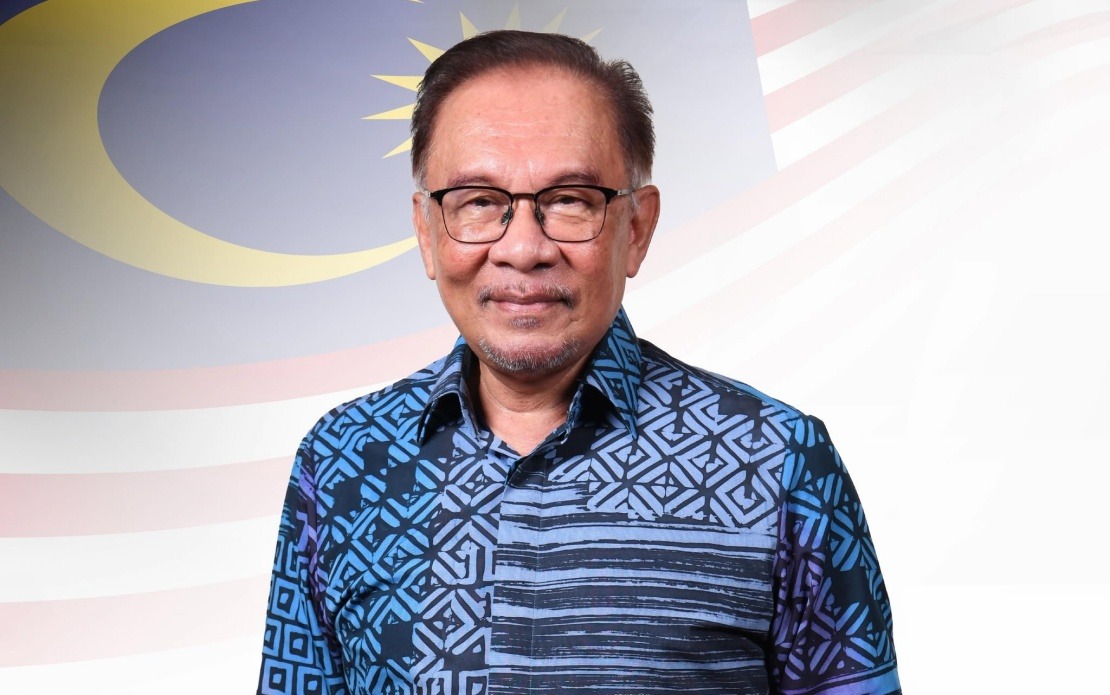
Prime Minister Datuk Seri Anwar Ibrahim is presently undertaking a series of medical examinations and therapeutic procedures as part of a comprehensive health assessment overseen by a team of medical specialists. The announcement came through his office on August 10, with his Senior Press Secretary Tunku Nashrul Abaidah confirming the routine nature of the medical interventions and providing details of the expected timeline.
According to the official statement, the Prime Minister is anticipated to remain under medical observation for a duration of two days as part of the prescribed treatment regimen. This timeframe allows the medical team to conduct the necessary diagnostic procedures and monitor his health status before he returns to his regular schedule of official duties. The measured approach reflects standard protocol when senior government officials undergo comprehensive health assessments.
The statement released by Tunku Nashrul Abaidah emphasised the routine character of these medical procedures, noting that the Prime Minister's office is confident in the process and hopeful for positive outcomes. The measured and professional tone of the communication sought to provide reassurance to the public and government stakeholders that this is a planned medical appointment rather than an emergency intervention.
In Malaysia's political landscape, transparency regarding the health status of the Prime Minister carries significant weight. The public disclosure of Anwar Ibrahim's medical examinations reflects the administration's commitment to keeping citizens informed about the wellbeing of the nation's chief executive. This openness stands as part of a broader pattern of communication management that balances privacy considerations with the public's legitimate interest in the health and fitness of their leader.
The timing of such health assessments is not unusual for high-ranking government officials who maintain demanding schedules involving domestic and international engagements. Regular medical check-ups and preventive health measures are standard practice for world leaders who bear significant responsibility for national governance and diplomatic relations across the region and globally.
For Southeast Asia, the continuity of leadership during periods of medical attention remains an important consideration. Malaysia's constitutional framework and cabinet structure ensure that government operations continue uninterrupted during any temporary absences by the Prime Minister. Deputy Prime Minister Datuk Seri Ahmad Zahid Hamidi and other senior cabinet members maintain their responsibilities during such periods, ensuring that critical national affairs proceed without disruption.
The Prime Minister's office has sought public understanding and support through prayer and goodwill, a culturally appropriate gesture that resonates with Malaysia's diverse religious communities. This closing sentiment in the official statement acknowledges the role of faith-based hope alongside medical science, reflecting the values that resonate throughout Malaysian society.
Anwar Ibrahim's return to his full schedule of duties is anticipated in the near term, following the completion of the two-day observation period. His continued engagement with major policy initiatives, parliamentary duties, and regional engagement remains central to the government's agenda, and the medical team's assessment will ensure he is operating at optimal capacity.
The broader context for Malaysian voters and observers includes the importance of maintaining public confidence in leadership continuity. News of routine medical examinations, when managed transparently and professionally, typically serves to reinforce rather than undermine public confidence in government stability. The straightforward communication approach adopted by the Prime Minister's office demonstrates professional crisis and routine-event management.
Regional observers will note that transparent health disclosures by national leaders contribute to stability perceptions across Southeast Asia. Market confidence, diplomatic relationships, and investor sentiment are all subtly influenced by the predictability and professionalism with which governments handle such routine matters. Malaysia's approach in this instance reflects international best practices in leadership communication.
The medical specialists overseeing the Prime Minister's care represent Malaysia's advanced healthcare capabilities, which have developed significantly over recent decades. The reliance on specialist teams rather than individual practitioners reflects contemporary best practices in medical care for senior government officials, ensuring comprehensive and coordinated treatment protocols.
As the Prime Minister completes his medical procedures and returns to full duties, Malaysia's governance apparatus remains focused on the economic challenges, regional security considerations, and domestic policy priorities that define the current political agenda. The brief interlude for health assessment, handled with professional transparency, demonstrates the maturity of Malaysia's institutional frameworks in managing routine transitions and maintaining continuity of government.

