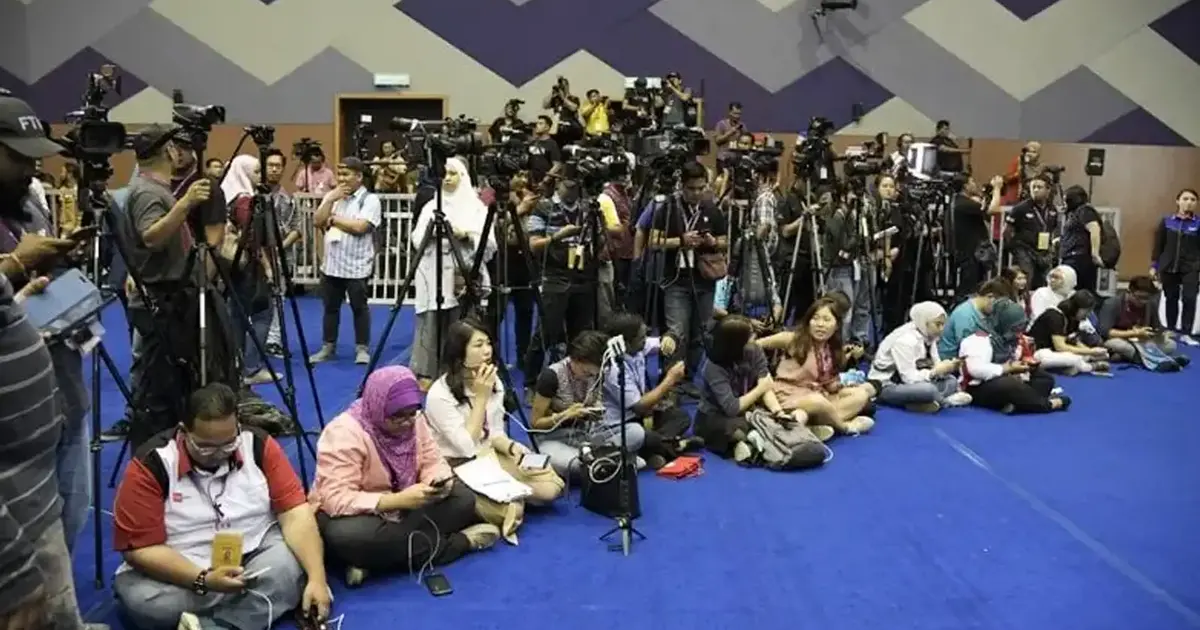
Prime Minister Anwar Ibrahim has introduced a structured complaints mechanism that channels all grievances against journalists and news organisations through the Malaysian Media Council, positioning the move as a safeguard against arbitrary enforcement action and a commitment to maintaining fair scrutiny of the media. The framework, which has drawn commentary from media observers and policy analysts, represents a deliberate effort to create institutional buffers between political figures and direct punitive measures against news outlets. By funnelling complaints through a dedicated body rather than allowing individual ministers or government departments to pursue immediate investigations, the administration signals an intention to depoliticise complaints handling and establish standardised procedures across the media landscape.
The Malaysian Media Council, which serves as the voluntary self-regulatory body for the print and online media sectors, would now become the first port of call for anyone alleging unfair reporting or breach of journalistic standards. This structural change means that even when complaints originate from high-ranking officials or involve sensitive political matters, they must follow the same procedural pathway as complaints from private citizens or organisations. Proponents of the mechanism argue that this standardisation reduces the risk of selective enforcement and creates a transparent record of all grievances, thereby insulating both journalists and officials from accusations of bias or vindictiveness in complaint handling. The approach reflects international best practices in democratic societies where media regulation involves multiple stakeholders rather than centralised government control.
However, the announcement has sparked cautious scrutiny from press freedom advocates who question whether channelling all complaints through a single body might inadvertently create a bottleneck that serves broader regulatory objectives. Critics contend that even a well-intentioned mechanism can be exploited if the Malaysian Media Council lacks sufficient independence from political pressure or if the government uses the framework to identify and track media outlets critical of its policies. The concern reflects historical patterns in Southeast Asian democracies where ostensibly neutral regulatory bodies have occasionally become instruments of government influence over editorial content. Questions also arise about the adequacy of the council's resources and expertise to handle the volume of complaints that might be generated, particularly during politically contentious periods when media scrutiny intensifies.
The timing of this announcement carries significance given Malaysia's evolving relationship with press freedom following the transition of government in recent years. The country has experienced cycles of tighter and looser restrictions on media operations, with ownership structures and regulatory frameworks shifting alongside political changes. Anwar Ibrahim's administration has positioned itself as more accommodating of press scrutiny compared to some predecessors, yet the introduction of formal complaint mechanisms suggests an underlying tension between government transparency objectives and institutional protections against critical reporting. For international observers monitoring Malaysia's democratic trajectory, the framework offers a test case of how effectively formal procedures can shield editorial independence from political interference in a developing democracy with multiple competing interests seeking media influence.
The mechanism also reflects practical realities of modern governance where false or misleading reporting can have tangible impacts on public policy, investor confidence, and social cohesion. By establishing a formal complaints channel with defined procedures, the government acknowledges legitimate grievances while attempting to prevent ad hoc responses that might set problematic precedents. Officials operating under such a framework know they cannot unilaterally order investigations or invoke draconian penalties against news organisations, which theoretically protects smaller outlets with limited legal resources from being overwhelmed by aggressive enforcement threats. This institutionalisation of complaint handling may actually benefit media independence in the long term by removing individual discretion from enforcement decisions.
Yet the framework's success depends entirely on the Malaysian Media Council's actual independence and operational integrity. The council comprises representatives from media organisations, civil society, and government observers, a composition intended to balance different stakeholders but which some argue creates structural vulnerabilities to political influence. If the council becomes a venue where government complaints receive expedited handling or where editorial discretion is second-guessed through bureaucratic processes, the mechanism could become a subtle but effective tool for constraining critical coverage without resorting to crude suppression. This distinction between form and substance remains crucial to assessing whether the framework genuinely protects press freedom or merely disguises pressure under procedural legitimacy.
For Malaysian media outlets, implementation will determine whether the new mechanism enhances operational clarity or creates additional compliance burdens. Journalists and editors will need clear guidance on what types of reporting trigger complaints and how the council's investigation processes work in practice. The framework's effectiveness also depends on whether the government demonstrates restraint in filing complaints and whether officials accept council decisions even when they find coverage unfavourable. Early adherence to these principles would strengthen confidence in the mechanism's neutrality, while any appearance of selective enforcement or pressure on the council would quickly undermine its legitimacy and fuel concerns about press suppression by regulatory means.
Regionally, Malaysia's approach attracts attention from other Southeast Asian democracies navigating similar tensions between media accountability and editorial independence. Countries like Indonesia, the Philippines, and Thailand have experimented with various regulatory frameworks and complaint mechanisms, each attempting to balance legitimate concerns about false information with protection for investigative journalism and political criticism. Malaysia's new system offers both lessons and cautionary tales about how formal procedures might constrain or facilitate government control over media narratives. The international press freedom community will likely scrutinise implementation carefully, particularly during politically sensitive reporting periods that test whether the framework functions as described or collapses into patronage.
Moving forward, the success of Anwar Ibrahim's complaints mechanism will hinge on transparent, consistent application and demonstrated respect for the Malaysian Media Council's independence. Should the framework prove effective in handling complaints fairly while protecting legitimate journalism, it could become a model for other democracies seeking to balance these competing interests. Conversely, if it becomes a vehicle for subtle suppression of critical coverage, it would reinforce arguments that formal regulations, however neutrally designed, remain inadequate substitutes for strong institutional cultures that protect press freedom as a foundational democratic value.

