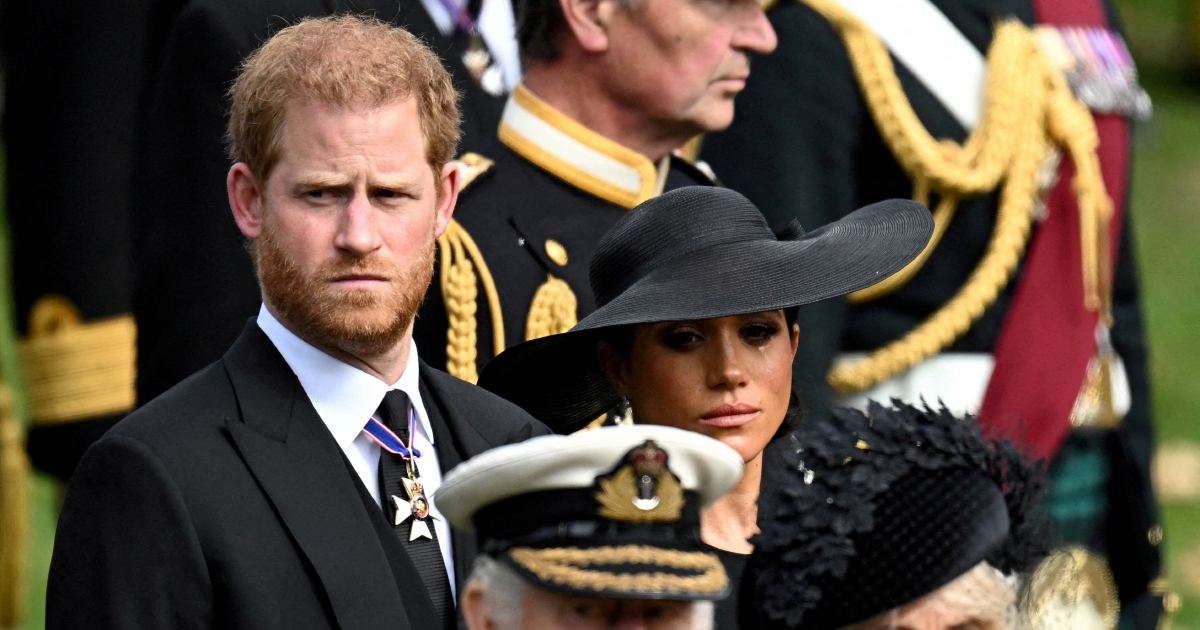
Prince Harry, music legend Elton John, and several other high-profile individuals now face substantial personal financial liability following a court judgment that found their combined privacy lawsuits against Associated Newspapers Limited—publisher of the Daily Mail—were pursued through unreasonable legal tactics. The judgment, handed down in London, marks a significant reversal for the claimants, who must now shoulder the considerable legal bills incurred by the defendant publisher throughout the protracted litigation.
The court's determination that the claimants' approach to litigation was unreasonable provides the legal foundation for awarding costs against them. In English law, when a judge finds that a party has conducted proceedings in an inefficient, unnecessary, or improper manner, the court possesses discretion to order that unsuccessful party to compensate the winning party for legal expenses. This principle, applied here, means the claimants' legal teams will be required to reimburse the Daily Mail's publisher for the substantial costs of defending itself throughout the case.
The Prince of Sussex had been among the most vocal advocates for holding British tabloids accountable for privacy violations and journalistic misconduct. His participation in this collective action reflected broader concerns within celebrity circles about invasive reporting practices and the boundaries between public interest and private life. The lawsuit represented what many observers viewed as a landmark attempt to establish stronger protections against aggressive media scrutiny through the courts. The outcome therefore carries implications beyond the immediate parties, suggesting potential limitations on how aggressively such cases can be pursued.
Elton John's involvement in the litigation underscored how privacy concerns transcend generations in the entertainment industry. The legendary musician has long been an advocate for artist rights and protection from unwanted media intrusion. His participation alongside Prince Harry reflected a convergence of interests among public figures frustrated with what they characterize as invasive tabloid practices. The financial penalty now imposed creates a cautionary precedent for future collective legal actions by celebrities against media organisations.
The specific mechanics of costs awards in such cases can extend to barristers' fees, solicitors' hourly charges, expert witness expenses, and administrative court costs accumulated over years of litigation. For high-profile cases involving multiple claimants and defending international media organisations, these expenses typically reach into the millions of pounds. The distribution of these costs among the claimants must now be negotiated and determined, creating additional financial complexity.
The judgment's finding that proceedings were unreasonably conducted suggests the judge identified specific aspects of how the claimants' legal teams pursued the case as problematic. This could include allegations of procedural delays, unnecessary motions, excessive discovery requests, or other tactics that prolonged the litigation beyond what was proportionate to the claims. Understanding the precise judicial criticisms provides insight into how courts evaluate the reasonableness of litigation conduct.
For Malaysian and Southeast Asian observers, this development carries broader significance regarding media regulation and celebrity legal protections. While British libel and privacy law differs substantially from Malaysian framework, the outcome demonstrates how courts in common law jurisdictions approach balancing press freedom against personal privacy rights. Malaysia's own media landscape and celebrity culture shares certain parallels with British circumstances, making this judgment's principles relevant to understanding how courts might evaluate similar disputes domestically.
The decision also reflects evolving judicial attitudes toward strategic litigation by powerful individuals against media organisations. Increasingly, courts express concern when such cases appear designed not primarily to establish legal precedent or secure genuine remedies, but rather to impose financial and reputational costs on defendants. Judges have begun scrutinising whether claimants pursue settlements or injunctions with genuine urgency, or whether litigation functions partly as a tool of leverage and public pressure.
Legal experts note that this outcome may discourage similar collective actions by celebrities against media publishers, at least in jurisdictions with similar costs provisions. Potential claimants must now weigh not only the risk of losing their privacy claims but also the prospect of substantial financial liability if a court determines their legal approach was unreasonable. This creates a meaningful disincentive for what some view as performative litigation or cases brought primarily for publicity rather than genuine legal remedy.
The financial stakes involved represent substantial sums that claimants must now budget for outside their anticipated case expenses. For individuals accustomed to wealthy circumstances, these costs nevertheless represent significant amounts that demand serious consideration. The judgment therefore generates real consequences extending far beyond symbolic vindication or defeat in court.
The case's trajectory from initial filing through judgment illustrates how complex privacy litigation can consume years and resources while ultimately producing outcomes that disappoint all parties. Even claimants who believed they possessed strong cases found themselves bearing their opponent's costs, while the publisher, though technically victorious on costs, experienced lengthy legal disruption and expense. This dynamic may encourage future adoption of alternative dispute resolution mechanisms or more focused legal strategies that avoid protracted adversarial proceedings.
Moving forward, the judgment will influence how entertainment lawyers and civil rights advocates strategise privacy claims involving public figures. The costs award represents not merely financial compensation to the publisher but also a substantive statement about judicial expectations for how such sensitive matters should be litigated. For Prince Harry particularly, the outcome contrasts sharply with his public campaign for media accountability, suggesting that courtroom victories require careful calibration of legal approach alongside substantive legal merit.

