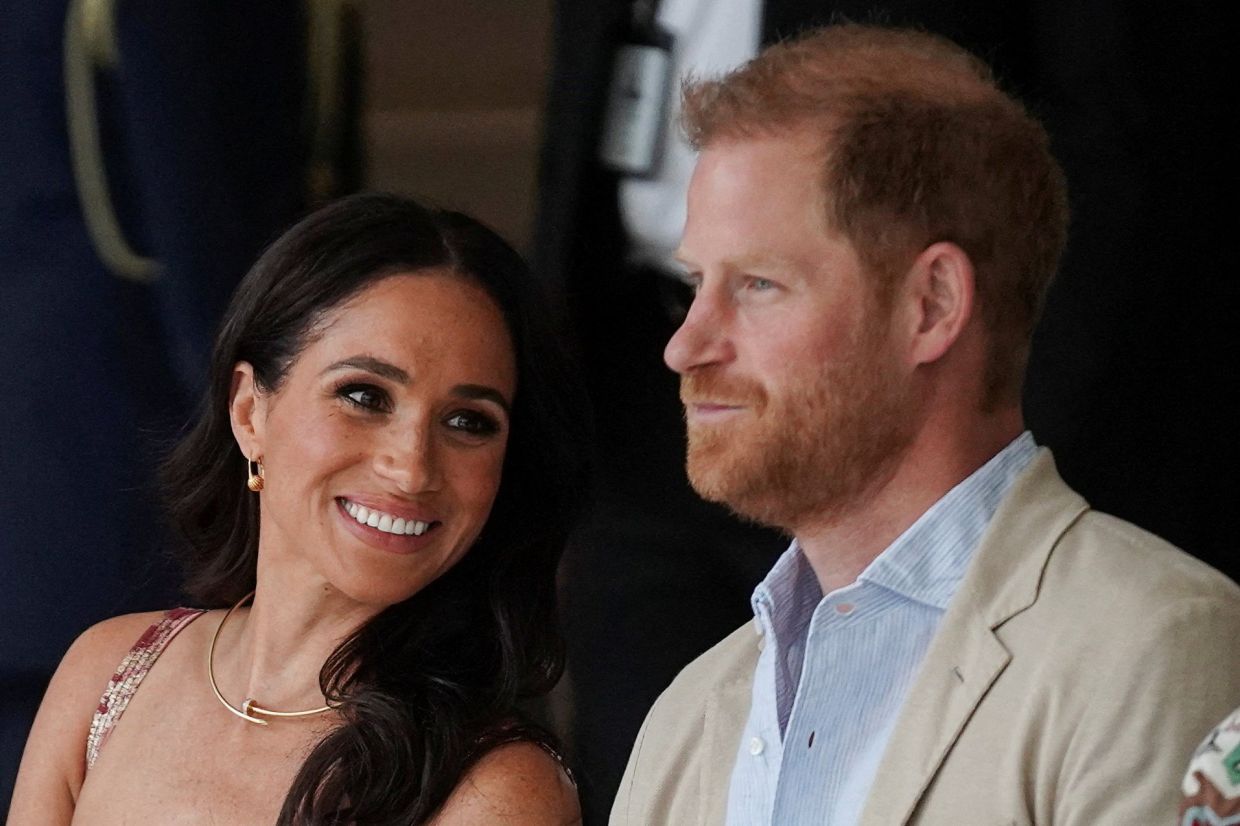
Prince Harry and Meghan have announced plans to relocate to the United Kingdom with their two children, marking a significant shift for the couple who abandoned their royal duties over six years ago to build a media empire on the American west coast. British media outlets reported the development late Wednesday, noting that Prince Archie, aged seven, and Princess Lilibet, aged five, have already secured places at British schools and are expected to commence their studies in September. The couple's representatives declined to provide comment on the reports, whilst Buckingham Palace maintained its standard position of not discussing the private arrangements of non-working members of the royal family.
The decision to return to Britain represents a tangible manifestation of Harry's recently stated desire to rebuild fractured relationships within the royal household, particularly with his father King Charles III, who is currently undergoing treatment for cancer. In recent interviews, the duke has expressed genuine remorse about years of estrangement and acknowledged the finite nature of family bonds. His comments to the BBC—"I would love reconciliation with my family. There's no point in continuing to fight anymore"—reflected a marked departure from the antagonistic public posture he and Meghan had maintained for much of the past six years. The timing of this announcement appears connected to Harry's health concerns about his aging parent and his recognition that the window for meaningful reconciliation may be closing.
The couple's original departure from the United Kingdom in 2017 was precipitated by their desire to establish financial independence and escape what they characterised as intrusive media coverage. Since settling in the Montecito enclave of Southern California, Harry and Meghan have secured substantial commercial contracts with Netflix and Spotify, enabling them to develop media and production ventures outside the constraints of royal protocol. However, the move has also been accompanied by an escalation in their public disputes with both the tabloid press and segments of the royal establishment, including a series of high-profile interviews and Harry's tell-all memoir that painted unflattering portraits of various family members and alleged institutional indifference to Meghan's mental health struggles.
One of the complicating factors driving Harry's legal challenges has been his long-standing battle against Britain's tabloid industry, which he accuses of systematic phone hacking and privacy violations during his youth. The prince has pursued multiple lawsuits against newspaper publishers, though these efforts have yielded mixed results. Most significantly, a recent court ruling found Harry and other plaintiffs liable for the legal costs of Associated Newspapers, with the publisher's legal fees amounting to £34.5 million. This adverse judgement has exposed Harry to a substantial financial liability that extends far beyond the direct costs of his litigation, creating additional incentive to relocate and potentially deprioritise his English legal battles.
Parallel to his media disputes, Harry has also engaged in protracted legal conflicts with the British government regarding security arrangements for his family when in the United Kingdom. After the government denied him police protection, the prince argued that the royal family's elevated status necessitated armed security regardless of whether members held official working roles. Despite losing his court challenge on this matter last year, Harry signalled that the experience had motivated him to pursue reconciliation rather than continued confrontation. The decision to return to the UK with his family, therefore, must be understood partly as a pragmatic response to his security situation, as a permanent UK residence would likely facilitate more straightforward police protection arrangements than his current transatlantic lifestyle.
A preliminary indicator of improved relations came during Harry's visit to the UK last month, when he participated in various charitable engagements and Meghan and the children joined him for a portion of the trip. The family spent time with King Charles at his Highgrove estate in Gloucestershire, an encounter that held particular significance as Archie and Lilibet had not seen their grandfather since the late Queen Elizabeth II's platinum jubilee celebrations in 2022. Notably, Charles was not informed of the relocation plans during this in-person visit; he was instead briefed separately on Sunday, suggesting that the decision was made subsequent to Harry and Meghan's UK trip. This sequence indicates that whilst the couple's return to Britain is being framed as conducive to family healing, it remains a carefully orchestrated decision that maintains some element of strategic control.
However, the relocation announcement has not eliminated all familial tensions, most notably the continuing estrangement between Harry and his brother, Prince William, heir to the throne. Royal observers have noted the absence of any signs indicating a thaw in their relationship, despite Harry's improving rapport with their father. Peter Hunt, a former BBC royal correspondent, suggested that William would likely experience considerable displeasure at the news of Harry's return, characterising his potential reaction as "apoplectic." The dynamics between the two brothers remain fundamentally complicated by unresolved disputes over family leadership, privacy matters, and divergent life choices, suggesting that Harry's physical return to Britain may intensify rather than resolve certain interpersonal conflicts within the immediate royal circle.
For Malaysian and Southeast Asian observers, the Duke and Duchess of Sussex's relocation carries implications beyond the narrow context of royal family drama. Their departure from the UK was partly motivated by their desire to escape what they characterised as a suffocating media environment and restrictive institutional culture. Their subsequent success in developing substantial media enterprises whilst residing in the United States has demonstrated to aspiring creative entrepreneurs and public figures across the region that geographic and institutional independence can be leveraged for professional advancement and personal autonomy. Conversely, their return to the UK—undertaken partly to facilitate family relationships rather than professional ambitions—suggests that even individuals with considerable resources and options ultimately find geographic separation from family networks psychologically and emotionally costly.
The announcement also reflects broader questions about the future relevance and flexibility of hereditary institutions in contemporary society. The royal family's inability to fully accommodate Harry and Meghan's modernising aspirations six years ago contributed to their departure; their return does not suggest that underlying institutional tensions have been fundamentally resolved. Rather, it indicates a pragmatic accommodation wherein the couple can reside in Britain without resuming formal working roles, effectively creating a new category of semi-detached royal status. This flexible approach to institutional membership may offer lessons for other traditional hierarchical organisations facing challenges from members seeking greater autonomy and contemporary relevance, whether in Southeast Asia or elsewhere.
As Harry and Meghan prepare to establish themselves in the United Kingdom once more, the sustainability of this arrangement remains uncertain. The couple has considerable financial independence, allowing them to maintain their professional ventures regardless of geographic location, yet the decision to physically return suggests that the emotional and relational dimensions of family connection ultimately outweigh the advantages of previous distance. For King Charles, the prospect of more frequent contact with his grandchildren and reconciliation with his son may represent a personal victory after years of public acrimony. Whether this relocation translates into substantive healing of the ruptures that divided the family, or merely creates a more geographically convenient setting for continuing tensions, will likely occupy royal observers and media commentators for years to come.

