The soil beneath our plants harbours far more than fertile earth and beneficial microorganisms—it increasingly contains tiny plastic particles that fragment from the gardening products we use daily. For Malaysian gardeners concerned about both food safety and environmental stewardship, understanding how microplastics infiltrate our gardens represents an essential step towards sustainable cultivation. The problem begins innocuously enough: the plastic pots, seed trays, and containers we purchase to nurture our plants break down over years and decades, fragmenting into microscopic particles that persist in soil indefinitely, potentially entering our food chain and contaminating water systems.
Microplastics originate from countless everyday sources beyond the garden itself. Food storage containers, synthetic clothing fibres, detergent packaging, and kitchen utensils all shed particles that accumulate in our environment. Scientists have documented microplastic presence in drinking water, fresh produce, and even within human bodies worldwide. Within the garden context, however, the contamination pathway becomes direct and controllable—every plastic item we introduce represents a potential source of future soil degradation. This reality matters profoundly for Malaysian households, where many families grow vegetables and herbs for household consumption, creating a direct link between garden practices and family health.
While the accumulated plastic damage cannot be reversed, gardeners possess considerable agency in minimising further contributions to this growing crisis. The encouraging reality is that sustainable alternatives to plastic gardening products often prove superior horticulturally while simultaneously reducing environmental impact. Furthermore, these substitutions frequently deliver economic advantages, allowing Malaysian gardeners to enhance their garden's health while reducing long-term expenditure on materials that require frequent replacement.
Soil-blocking kits offer an elegant alternative to conventional plastic seed-starting trays. These systems utilise metal moulds to compress a homogeneous mixture of compost, peat moss, perlite, and nutrients into freestanding cubes that eliminate the need for plastic containers entirely. The horticultural benefits are substantial: seedlings develop stronger, denser root systems when exposed to air at the block edges, triggering a growth response called air-pruning that produces more vigorous transplants. Seedlings grown this way establish themselves more readily in garden beds, requiring less recovery time and demonstrating superior survival rates compared to traditional container-grown plants.
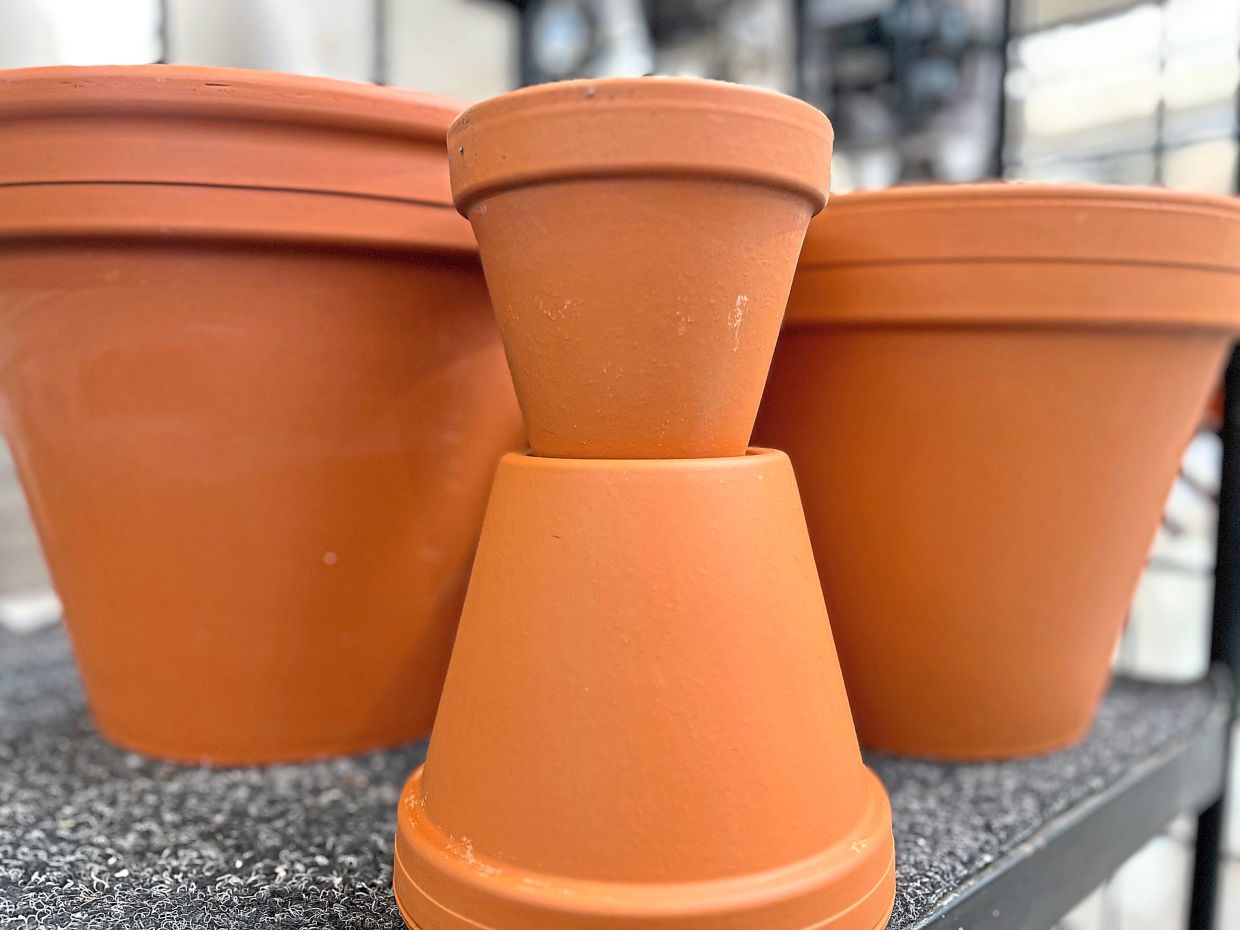
For gardeners unwilling to invest in soil-blocking equipment, readily available alternatives exist in biodegradable materials. Pots and trays manufactured from compressed coir (coconut husk fibre) or composted manure provide functional growing vessels that decompose harmlessly once their purpose concludes. These materials, often indistinguishable from cardboard in appearance, cost comparably to plastic while eliminating persistent waste concerns. For larger plantings, natural materials deserve priority: terracotta pots provide excellent drainage and aesthetic appeal whilst remaining completely biodegradable, whilst wooden containers offer durability and environmental compatibility for permanent installations.
Fabric grow bags represent an underutilised resource particularly suited to Malaysian gardening conditions. Available in multiple sizes and configurations, these bags accommodate everything from herbs to substantial vegetables. Varieties specifically designed for potato cultivation feature ingenious roll-up access doors facilitating effortless harvesting without container destruction. Critical consideration involves verifying that bags utilise natural fibres rather than synthetic materials, ensuring the sustainability benefits aren't negated by hidden plastic content. This scrutiny of material composition applies universally throughout gardening supply selection.
Purchasing bare-root plants rather than container-grown specimens provides another significant plastic-reduction opportunity. Bare-root plants ship and store without plastic pots, reducing both material consumption and transportation weight. For Malaysian gardeners, sourcing bare-root specimens requires advance planning and coordination with local nurseries, but the environmental and economic savings justify the modest effort involved. Additionally, bare-root plants often establish more vigorously than container specimens, producing superior long-term growth due to less root circling and stress during transplanting.
Composting practices dramatically reduce external soil and fertiliser acquisition requirements whilst eliminating plastic bag waste entirely. Home composters know precisely what amendments they're introducing to their beds, ensuring transparency absent from commercial products. Beyond the environmental benefits, on-site composting provides superior nutrient profiles specifically calibrated to local soil conditions and plant requirements. For gardeners unable to maintain compost systems, bulk purchasing of loose compost substantially reduces plastic packaging compared to bagged alternatives whilst simultaneously lowering per-unit costs—a economic advantage particularly valuable in Malaysia's price-conscious gardening community.
Weed suppression methods deserve careful consideration in any plastic-reduction strategy. Canvas tarps provide temporary bed protection without synthetic persistence, whilst landscape fabrics—despite their ubiquity in contemporary gardening—represent exactly the kind of permanent plastic contamination that microplastic reduction seeks to eliminate. Natural alternatives prove abundantly effective: shredded bark, wood chips, and dried leaf mulches suppress weeds while gradually decomposing to enrich soil structure and biological activity. In fire-prone regions, gravel substitutes safely address fire prevention concerns without plastic compromise.
Plant support systems offer numerous opportunities for material substitution without sacrificing functionality or aesthetic appeal. Bamboo stakes provide renewable, biodegradable support for tomatoes and vining crops, becoming increasingly available throughout Malaysian horticultural markets. Natural twines crafted from hemp or jute secure these supports whilst composting completely at season's end. Even humble wooden popsicle sticks serve admirably as plant markers, eliminating any need for plastic labels that accumulate into substantial waste quantities across growing seasons. These individually modest choices accumulate into meaningfully reduced plastic footprints when multiplied across diverse gardening practices.
When plastic purchases cannot be avoided, strategic decision-making determines whether gardeners create persistent problems or manageable waste. Single-use plastic seed trays represent wasteful choices—their flimsy construction ensures deterioration within single seasons. Conversely, durable, heavy-duty plastic containers designed for multi-decade utility before eventual disposal represent a dramatically reduced plastic impact. This distinction between conscientious plastic use and thoughtless consumption defines responsible gardening in an era of microplastic awareness. Each small decision—selecting terracotta over plastic, choosing natural twine over synthetic, investing in reusable containers—constitutes a meaningful contribution toward cleaner soil, safer food, and a healthier environment for Malaysian communities and beyond.

