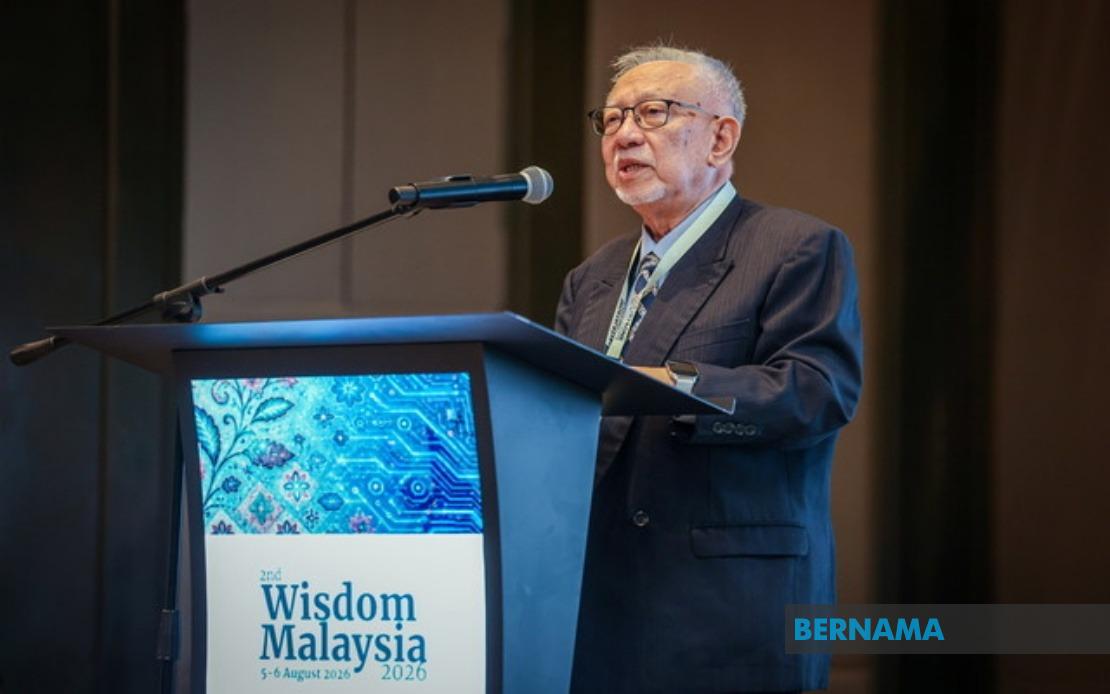
The integrity of Malaysia's anti-corruption framework hinges on creating an environment where public servants feel safe exposing wrongdoing without fear of retaliation or intimidation. Datuk Syed Ahmad Idid Syed Abdullah, a former High Court Judge of Malaya and Borneo, delivered this stark warning at the 2nd Wisdom Malaysia Conference 2026, emphasising that when institutions fail to shield whistleblowers from suppression and intimidation, they inadvertently guarantee that corrupt practices will flourish unchecked within government and private organisations alike.
The former judge's concerns reflect a growing recognition across Southeast Asia that corruption cannot be effectively combated without robust whistleblower protection mechanisms. When honest officials witness abuses of power but choose silence to protect themselves, entire institutions become compromised. This cascading effect transforms what might have been contained financial irregularities into systemic corruption that threatens national stability and public confidence in governance. Syed Ahmad Idid's intervention at the dialogue session titled 'The Life, Conscience and Costs of the Principled' underscores a fundamental truth often overlooked in anti-corruption discourse: the courage to speak truth requires institutional safeguards.
Distinguishing whistleblowing from slander remains essential to public understanding. Legitimate reporting of workplace crimes and corruption represents an act of justice, not malice, yet many officials conflate the two to delegitimise those who come forward. This conflation serves corrupt interests by creating semantic cover for retaliation. Syed Ahmad Idid's clarification that whistleblowing constitutes justice work rather than defamation attempts to recalibrate public and official attitudes toward those brave enough to expose systemic failures. Without this conceptual clarity, nations risk losing valuable internal checks on government malfeasance.
Beyond the moral imperative to protect truth-tellers lies a compelling economic argument. The financial resources currently lost to corruption, mismanagement and leakage could fundamentally transform Malaysia's public infrastructure and service delivery. According to the former judge's calculations, successfully recovering illicit proceeds would generate sufficient capital to establish comprehensive healthcare and education networks nationwide. These are not speculative figures but practical illustrations of opportunity costs extracted from public budgets by corrupt officials.
The hypothetical applications of recovered corruption proceeds reveal the scale of national potential being squandered. Two general hospitals per state would dramatically improve healthcare accessibility in rural and urban areas alike, addressing chronic shortages in critical care facilities. Simultaneously, nationwide construction of 20 to 50 high-quality schools would create educational infrastructure capable of delivering world-class instruction. Such investments would not merely expand capacity but fundamentally elevate service quality through superior facilities, comprehensive equipment and enhanced teacher training. Malaysia's competitive position in regional economies depends increasingly on human capital development, making educational investment particularly strategic.
The cascading benefits of integrity in institutions extend beyond infrastructure into human capital formation. A world-class education system produces not only academically accomplished graduates but also individuals equipped with the ethical foundations and critical thinking skills essential for effective governance and security operations. Syed Ahmad Idid's observation that superior education generates both outstanding human capital and more effective security personnel and national athletes highlights interconnections between institutional integrity and national competitiveness. Corruption in education undermines these outcomes directly, as resources intended for teacher development and educational innovation are diverted into private accounts.
Malaysia faces particular vulnerability to the long-term consequences of suppressing whistleblowers because corruption networks become embedded across multiple sectors over time. What begins as modest misappropriation can metastasise into sophisticated criminal enterprises involving organised syndicates. Early exposure of corruption, enabled by confident whistleblowers, prevents this trajectory. Conversely, institutional hostility toward those reporting wrongdoing creates safe spaces for criminal networks to mature and interconnect. The financial scandals Malaysia has experienced in recent years demonstrate how unchecked corruption compounds dramatically, with billions in losses accumulating from multiple sources across organisations.
Syed Ahmad Idid's call for society to reject skewed or lenient interpretations of corrupt practices directly addresses the normalisation of wrongdoing that characterises declining institutional integrity. When officials reframe theft as administrative procedure or categorise bribery as legitimate business practice, they establish cultural conditions where corruption becomes institutionalised. Upholding clear principles of justice and integrity requires consistent public messaging that corruption admits no moral ambiguity. Leadership figures must establish and reinforce these standards through their own conduct and institutional decisions.
The 2nd Wisdom Malaysia Conference 2026, organised by Kerjaya One PLT, provided an appropriate forum for these discussions by convening current and former industry leaders to share knowledge and experience. Such platforms amplify the voices of respected figures like Syed Ahmad Idid, lending weight to arguments for systemic reform. For emerging leaders and professionals attending these conferences, exposure to principled perspectives on corruption and institutional integrity shapes their own approaches to governance and ethical decision-making as they advance into positions of influence.
Implementing robust whistleblower protection requires legislation, institutional culture change and adequate resources for investigative agencies. Malaysia's existing frameworks require strengthening to ensure confidentiality protections, legal immunity for good-faith reporting and mechanisms preventing employer retaliation. International best practices offer models, though adaptation to Malaysian context remains essential. Critically, protection must extend beyond legal safeguards to genuine institutional commitment, including senior leadership endorsement of reporting mechanisms and transparent investigation outcomes.
The path forward demands recognising whistleblowers not as troublemakers undermining institutional stability but as essential defenders of national interest. When public servants understand that reporting corruption will be supported rather than punished, many will overcome fear and speak. This shift transforms institutions from corruption-enabling structures into self-correcting systems capable of detecting and remedying wrongdoing. For Malaysia's development aspirations, establishing this foundation represents an investment with returns far exceeding the infrastructure and educational advances that corruption currently prevents.

