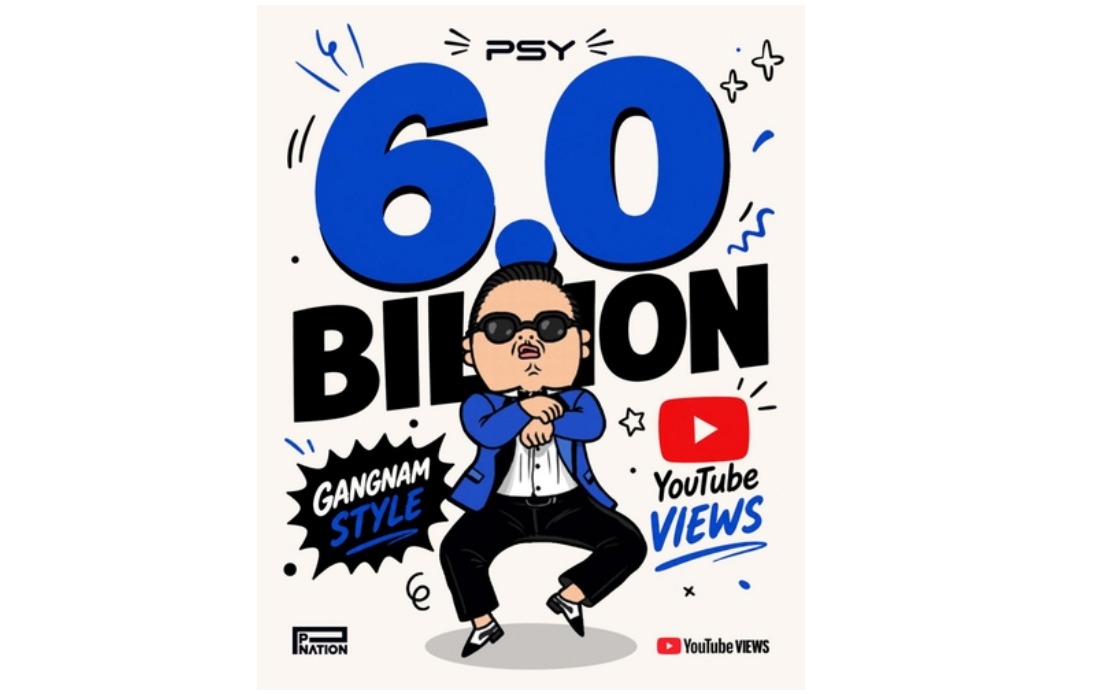
South Korean music sensation Psy has achieved another landmark in his career with "Gangnam Style" becoming the first K-pop music video to exceed 6 billion views on YouTube. The milestone was reached on Friday, according to Psy's agency P Nation, making the track the most-watched K-pop video in the platform's history. This achievement underscores the remarkable longevity and cross-cultural appeal of a song that initially exploded onto the global stage more than a decade ago, continuing to draw viewers from every corner of the world.
The journey to this record-breaking figure has unfolded gradually over the years. The music video first reached 5 billion views in December 2023, meaning it accumulated another billion views in roughly seven months—a testament to its continued relevance and replay value. Released in July 2012, "Gangnam Style" has maintained steady viewership across more than a decade, an extraordinary feat in an era when viral content often experiences sharp declines in engagement following initial peaks. The consistent accumulation of views reflects how the song has transcended its original moment of virality to become a cultural touchstone.
P Nation framed the achievement as deeply significant within the context of Korean pop music's evolution and global expansion. The agency stated that surpassing 6 billion views represents "not only a symbolic milestone in the history of K-pop, but it demonstrates the enduring power of content that continues to be enjoyed across countries and generations." This observation carries particular weight for the broader K-pop industry, which has undergone dramatic transformation since 2012. The genre's trajectory from niche interest to mainstream global phenomenon has been well-documented, yet "Gangnam Style" remains its most-viewed video, suggesting the song's initial creative brilliance gave it advantages that newer releases, despite sophisticated marketing, have struggled to match.
The song's initial commercial success was staggering. When it peaked at number two on Billboard's Hot 100 chart, it narrowly missed the top spot but achieved cultural saturation far exceeding most number-one hits. The music video was groundbreaking as the first K-pop video to reach 1 billion views on YouTube, a milestone that seemed extraordinary at the time. For context, reaching such figures was extraordinarily rare in 2012, when YouTube viewership patterns differed substantially from today's ecosystem. This early achievement positioned "Gangnam Style" as a harbinger of how Korean entertainment could dominate global platforms.
The song's cultural formula proved remarkably durable. At its core lay a deceptively simple combination of elements: an exceptionally catchy, memorable beat that invited repetition and participation; clever satirical commentary on Seoul's wealthy Gangnam district, which resonated beyond Korea as commentary on affluence and aspiration; and Psy's signature horse-riding dance move, which became globally iconic and easily replicable. The choreography proved especially important—unlike many music videos that remain passive viewing experiences, "Gangnam Style" invited participation. Thousands of flash mobs, cover videos, and amateur dance renditions sprouted worldwide, exponentially extending the song's visibility and cultural reach. This participatory element transformed the music video into a social phenomenon rather than merely a promotional tool.
For Malaysian and Southeast Asian audiences, "Gangnam Style"'s success carries particular resonance. The period around 2012-2013 marked when many regional viewers first engaged seriously with Korean entertainment products. Psy's breakthrough helped establish that K-pop was not confined to the traditional pop format but could achieve mainstream success in ways that transcended existing entertainment categories. This opened doors for subsequent Korean artists and entertainment companies to expand regional presence. The song demonstrated that Korean cultural products possessed universal appeal, a lesson that accelerated investment and distribution strategies across Southeast Asia in the years following.
Psy seized the opportunity to celebrate his achievement while looking forward. During a concert performance on Sunday, the artist acknowledged the milestone and expressed gratitude to supporters who had sustained engagement with his work. He announced plans to upload new video content to YouTube, signaling that despite achieving this historic benchmark, he remains actively engaged in creating for the platform. This approach differs from some artists who, after securing massive accumulated views, gradually reduce their platform presence. Instead, Psy appears committed to maintaining relevance while honoring the audience that propelled him to these heights.
The broader implications of this achievement extend beyond mere statistics. YouTube viewing figures function as cultural indicators—they reveal what content resonates across demographic categories, geographic regions, and time periods. That "Gangnam Style" continues accumulating views at a consistent rate, years after new K-pop releases have come and gone, suggests something distinctive about the original recording. Some cultural analysts attribute this to the song's accessibility—it required no deep familiarity with Korean language or culture to enjoy, while simultaneously providing that cultural context for interested audiences. The satirical commentary on Gangnam's wealth, though locally specific, mapped onto universal themes about status anxiety and conspicuous consumption that transcended national boundaries.
YouTube's infrastructure has evolved substantially since 2012, affecting how views are counted and measured. Changes to the platform's algorithms, recommendation systems, and advertising models have influenced viewing patterns across the site. That "Gangnam Style" has accumulated its views across this shifting landscape, rather than primarily during a brief viral moment, further emphasizes its staying power. The video represents a form of evergreen content that continues generating engagement through various pathways—nostalgic revisits, educational contexts where the dance is taught, and casual browsing that surfaces the video through platform recommendations.

